
Summer Home Safety Guide for NW Calgary Seniors
Summer in NW Calgary brings longer days and warmer weather, a welcome change for many. But for older adults and their families, the season also calls for some thoughtful preparation. Heat affects seniors differently than younger adults, and a few proactive steps at home can prevent serious health issues before they arise.
This guide covers the most practical ways to get your home summer-ready for an older loved one, so they can enjoy the season safely and comfortably.
Table of Contents
What You Will Learn:
- How to keep your loved ones beautifully cool and comfortable by prepping home cooling systems and blocking out the midday sun.
- Creative, sweet ways to build healthy hydration habits directly into an older adult’s daily summer routine.
- Easy, proactive steps to spot and fix hidden fall risks in both indoor rooms and sunny outdoor spaces.
- Bright ideas for creating a cozy emergency kit and reviewing medications so you are always ready for unexpected summer storms.
Why Summer Preparation Matters for Seniors
As we age, the body’s ability to regulate temperature becomes less efficient. Sweat glands slow down, circulation changes, and certain medications can interfere with how the body responds to heat. This makes seniors significantly more vulnerable to heat exhaustion, dehydration, and falls, all of which spike during summer months.
The good news? Most risks are preventable with a little planning.
1. Get Your Cooling Systems Ready Early
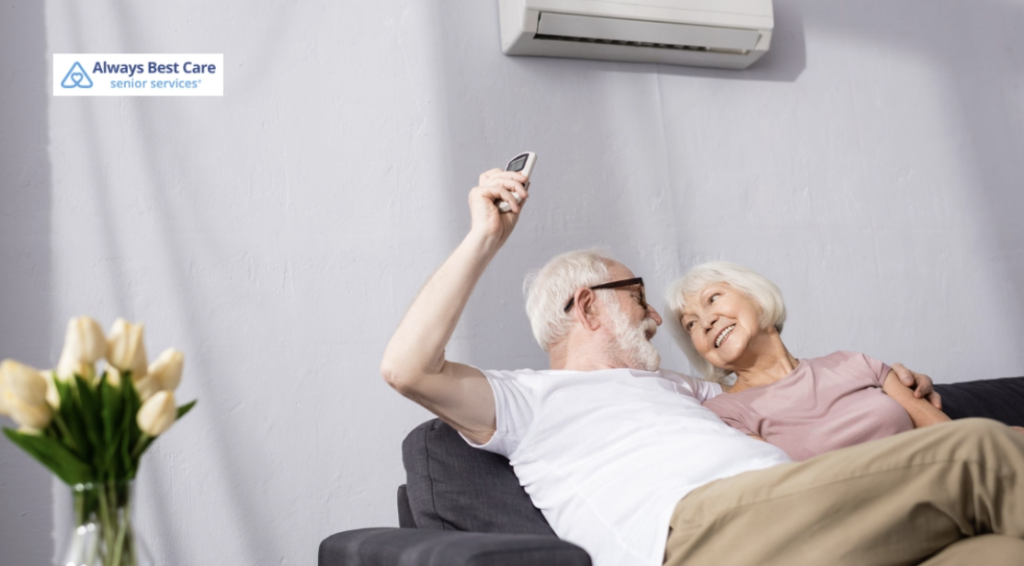
Don’t wait for the first heat wave to discover your air conditioner isn’t working. Schedule an HVAC inspection before temperatures climb, replace filters for better airflow, and test ceiling and portable fans now.
During peak heat hours (typically midday to late afternoon), keep blinds and curtains closed to block direct sunlight. This simple habit can lower indoor temperatures noticeably without touching the thermostat.
If your loved one doesn’t have air conditioning, identify local cooling centers, libraries, or community spaces in NW Calgary they can visit on extreme heat days.
2. Build Hydration Into the Daily Routine
Dehydration is one of the most underestimated summer risks for older adults. Many seniors don’t feel thirsty even when their bodies are running low on fluids, and some medications make this worse.
Rather than relying on thirst as a cue, build hydration into the daily schedule:
- Keep a filled water bottle visible and within easy reach at all times.
- Offer hydrating foods like watermelon, cucumbers, berries, and oranges
- Set gentle reminders (an alarm, a sticky note, or a caregiver check-in) to drink water throughout the day.
- Limit caffeine and sugary drinks, which can contribute to fluid loss.
Consistent hydration reduces the risk of dizziness, fatigue, urinary tract infections, and heat-related illness.

3. Walk Through Outdoor Spaces With Fresh Eyes
Seniors who enjoy gardening, patio time, or daily walks deserve an outdoor environment that supports their safety. Before summer gets underway, do a thorough walkthrough of all exterior areas.
Look for:
- Uneven pavers, cracked walkways, or raised edges that could cause a trip.
- Garden hoses, tools, or clutter left in pathways.
- Loose or wobbly handrails on steps and ramps.
- Overgrown plants that narrow walkways or block sightlines.
- Outdoor lighting that needs new bulbs or repositioning.
A quick afternoon spent on these fixes can prevent a serious fall.
4. Plan for Storms and Power Outages
Summer in NW Calgary can bring severe weather. For seniors, especially those who rely on powered medical devices or temperature-controlled medications, a power outage isn’t just an inconvenience. It can be a health emergency.
Put together a simple emergency kit that includes:
- Bottled water and nonperishable food.
- Flashlights and backup batteries.
- A printed list of emergency contacts and medical information.
- A supply of necessary medications.
- Backup charging options for phones or medical devices.
Also establish a communication plan with family members. Who checks in first? What’s the backup if phones are down? Having these answers in advance removes panic from the equation.
5. Review Medications for Heat Sensitivity
This step is often overlooked. Many common medications, including diuretics, blood pressure drugs, and antihistamines, affect how the body handles heat. Some increase the risk of dehydration or overheating; others can lose potency if stored above certain temperatures.
Take a few minutes to:
- Check storage instructions for all current medications.
- Move any medications stored near windows or in warm areas to a cooler location.
- Ask the prescribing physician or pharmacist about heat-related side effects.
A quick conversation with a healthcare provider can prevent a medication-related complication during a heat wave.

6. Reduce Indoor Fall Risks
Summer creates a specific indoor hazard that’s easy to miss: wet floors. Seniors tracking water in from the garden, pool, or a rain shower can turn a hallway or entryway into a slip risk.
Address this by:
- Placing non-slip mats at all entry points.
- Keeping walkways clear of shoes, bags, and clutter.
- Ensuring all rooms, especially bathrooms and hallways, are well-lit.
- Encouraging supportive, non-slip footwear both inside and outside the home.
These are small changes with a meaningful impact on daily safety.
How Always Best Care of Calgary NW Can Help
Summer preparation can feel like a long list, especially for families managing caregiving from a distance. Always Best Care of Calgary NW provides in-home support that takes the pressure off for both seniors and their families.
Our caregivers can help with:
- Home safety walkthroughs and light housekeeping.
- Meal preparation and hydration reminders.
- Medication reminders and monitoring.
- Transportation to appointments and errands.
- Companionship and wellness check-ins throughout the season.
With the right support in place, seniors can enjoy summer on their own terms: safely and independently.

Frequently Asked Questions
Q: At what temperature does heat become dangerous for seniors?
A: Seniors can begin experiencing heat stress when indoor temperatures exceed 27°C, particularly in humid conditions. Heat exhaustion and heat stroke can develop quickly, so it’s important to monitor indoor temperatures and act early, not just when it feels extreme.
Q: What are the early warning signs of heat exhaustion in older adults?
A: Watch for heavy sweating, weakness, cool or pale skin, a fast or weak pulse, nausea, and muscle cramps. If a senior stops sweating but feels hot and confused, that may indicate heat stroke, a medical emergency requiring immediate attention.
Q: How much water should a senior drink per day in summer?
A: Most older adults should aim for at least 8 cups (64 oz) of water daily, though individual needs vary based on health conditions and medications. A doctor or dietitian can provide personalized guidance, especially for seniors with kidney or heart conditions.
Q: Is it safe for seniors to exercise outdoors in summer?
A: Yes, with the right precautions. Encourage outdoor activity during cooler parts of the day (early morning or evening). Seniors should wear light, breathable clothing, apply sunscreen, stay hydrated, and avoid prolonged sun exposure during peak heat hours.
Q: What should I do if my senior loved one doesn’t have air conditioning?
A: Identify cooling centers, libraries, or community spaces in NW Calgary that are open during heat advisories. Portable fans combined with cool, damp cloths can provide temporary relief. If extreme heat is forecast and no cooling option is available, consider arranging temporary accommodations.
Keep Your Loved Ones Safe and Cool!
A safe summer starts with preparation. If your loved one could use extra support at home this season, Always Best Care of Calgary NW is ready to help.
Contact Always Best Care of Calgary NW at (403) 812-0778 to schedule a care consultation and learn how our caregivers can help your loved one stay safe, healthy, and independent all summer long.