
Thriving at Home: Managing Chronic Conditions with NW Calgary Care Support

Home is more than four walls. For most seniors, it represents decades of memories, established routines, and a deep sense of belonging. A chronic illness diagnosis does not erase that, and for many older adults, it does not have to mean leaving home either.
Conditions like heart disease, diabetes, COPD, Parkinson’s, and arthritis are common among aging adults, but they are not automatic disqualifiers for independent living. With the right home support, seniors can manage their health effectively while continuing to live on their own terms.
What you will learn:
- How personalized home care empowers seniors with chronic conditions to stay safe, comfortable, and independent at home.
- The most common daily challenges of managing a chronic illness and how tailored support keeps routines on track.
- Key warning signs caregivers look out for to help prevent health emergencies and hospital visits.
- Ways compassionate care nurtures emotional well-being, eases loneliness, and supports the whole family.
Table of Contents
Why Aging in Place Matters for Seniors with Chronic Illness
Research consistently shows that seniors who remain in familiar environments tend to experience better emotional outcomes and, in many cases, better physical ones too. Routine, comfort, and autonomy all play a role in overall well-being, factors that institutional settings can struggle to replicate.
That said, chronic illness does introduce real challenges. The goal of home care is not to pretend those challenges do not exist, but to address them in a way that preserves dignity and independence.

The Real Challenges Seniors Face at Home
Living with a chronic condition requires ongoing management, not a one-time fix. For many seniors, the daily demands can stack up quickly.
Common challenges include:
- Tracking multiple medications and treatment schedules.
- Managing chronic pain or reduced mobility.
- Fatigue that makes even simple tasks feel overwhelming.
- A higher risk of falls, especially in homes not designed for aging.
- Getting to and from medical appointments reliably.
- Social isolation, which can worsen both mental and physical health.
Left unaddressed, these challenges can accelerate decline. But with consistent, personalized support, they become manageable.

What Home Care Looks Like
Home care is not a one-size-fits-all service. A good caregiver works around a senior’s existing routine rather than disrupting it. The level of support is tailored to what each person actually needs; nothing more, nothing less.
Practical support typically includes:
- Assistance with bathing, dressing, and personal hygiene.
- Meal planning and preparation based on dietary needs.
- Light housekeeping and laundry.
- Grocery runs and everyday errands.
- Transportation to medical appointments.
- Medication reminders to keep treatment plans on track.
By handling these tasks, caregivers free up a senior’s energy for the things that matter most: staying healthy, staying connected, and enjoying daily life.
Consistency is the Cornerstone of Chronic Illness Management
One of the most underappreciated aspects of managing a chronic illness is how much consistency matters. Missed medications, irregular meals, and skipped follow-up appointments can quietly compound into serious health setbacks.
Home caregivers help seniors maintain the daily habits that keep conditions stable:
- Following prescribed medication schedules without gaps.
- Eating balanced, condition-appropriate meals.
- Staying properly hydrated throughout the day.
- Engaging in physician-approved physical activity.
- Attending all scheduled medical appointments.
These may seem like small things, but over time they make a significant difference in health outcomes and quality of life.

Catching Problems Before They Become Emergencies
Hospital readmissions are a major concern for seniors with chronic conditions. Many of these readmissions are preventable, but only if warning signs are caught early enough.
A trained caregiver who spends regular time with a senior is often the first to notice when something is off. Subtle changes that a family member might miss during a weekly visit can be visible to someone who is present daily.
Warning signs caregivers are trained to watch for:
- Noticeable changes in appetite or eating habits.
- Increased fatigue or unusual lethargy.
- Difficulty walking or a new unsteadiness.
- Shortness of breath or changes in breathing patterns.
- Swelling in the legs or feet.
- Confusion, disorientation, or behavioural changes.
Early detection means earlier intervention, and that can be the difference between a quick call to a doctor and an emergency room visit.
The Emotional Side of Chronic Illness
Physical symptoms get most of the attention, but chronic illness takes a significant emotional toll as well. Seniors adjusting to new limitations often experience frustration, grief over lost abilities, anxiety about the future, and loneliness, particularly if they live alone.
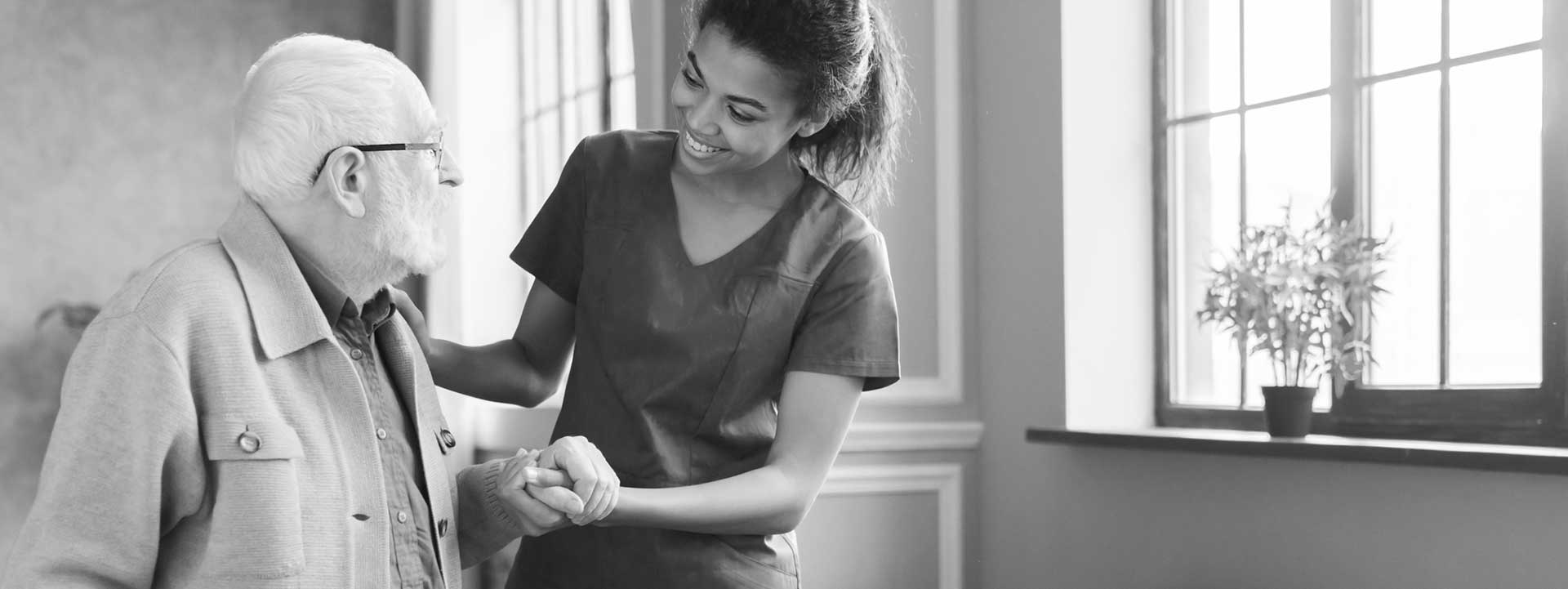
Companionship is a core part of what in-home caregivers provide. Having someone present to share a meal, take a walk, or simply have a conversation can meaningfully reduce isolation and improve mood. For families, knowing a trusted professional is consistently present offers its own form of relief.
How Always Best Care of Calgary NW Supports Seniors
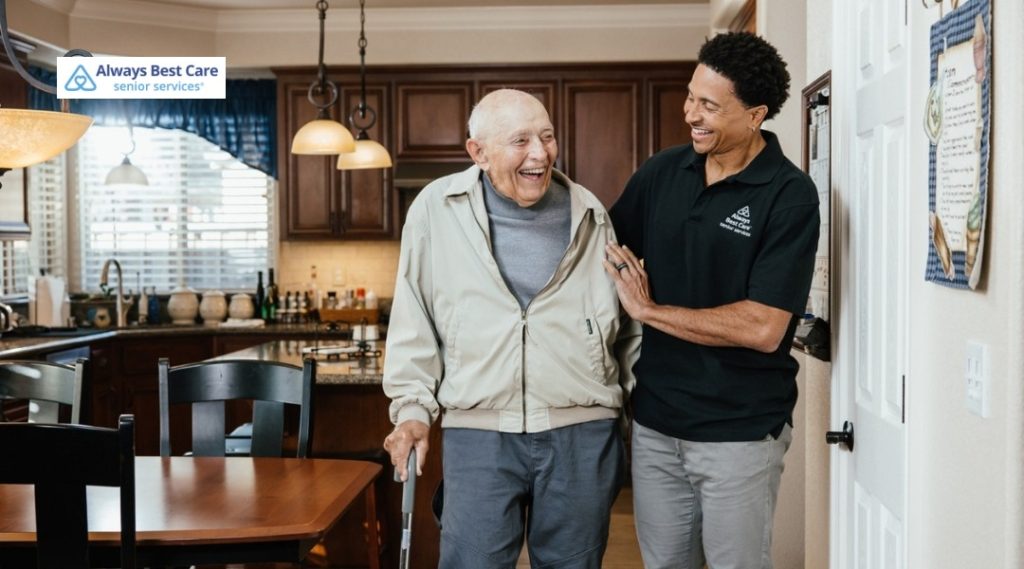
At Always Best Care of Calgary NW, care plans are built around the individual, not a standard template. Caregivers work closely with families to understand each senior’s health needs, personal preferences, and daily goals.
Whether a loved one is managing diabetes, recovering from a stroke, living with COPD, or navigating multiple conditions at once, the team at Always Best Care of Calgary NW provides compassionate, reliable support designed to help seniors stay safe, comfortable, and independent at home.
From medication reminders and meal preparation to transportation and companionship, services are designed to support the whole person and the families who care for them.
A chronic illness changes how a senior lives. With the right support in place, it does not have to change where they live.
Contact Always Best Care of Calgary NW at (403) 812-0778 to learn more and schedule your consultation.
Frequently Asked Questions
Q: What types of chronic illnesses can in-home care support?
A: Home care can support a wide range of chronic conditions, including heart disease, diabetes, COPD, Parkinson’s disease, arthritis, and stroke recovery. Care plans are customized to each individual’s diagnosis, treatment requirements, and daily needs.
Q: Is in-home care a replacement for medical treatment?
A: No. In-home caregivers are not medical professionals and do not replace doctors, nurses, or therapists. They provide non-medical support, such as personal care, companionship, and medication reminders, that complements a senior’s existing medical care plan.
Q: How do I know if my loved one needs in-home care?
A: Signs that home care may be beneficial include difficulty managing daily tasks, missed medications, unexplained weight loss, increased fall risk, social withdrawal, or caregiver burnout within the family. A care consultation can help assess the level of support needed.
Q: Can home care be adjusted as a senior’s needs change?
A: Yes. One of the key advantages of in-home care is its flexibility. As a senior’s condition evolves, whether they need more support or less, the care plan can be updated accordingly.
Q: How does home care help prevent hospital readmissions?
A: Caregivers help seniors maintain consistent health routines and are trained to recognize early warning signs of deterioration. By catching changes quickly and alerting families or healthcare providers, in-home care can help prevent minor issues from escalating into emergencies.
Q: What is the difference between home care and home health care?
A: Home care (also called non-medical home care) focuses on daily living assistance, companionship, and personal care. Home health care involves skilled medical services, such as wound care or physical therapy, typically ordered by a physician. Many seniors benefit from both working together.