A Tailored Path to Recovery: In-Home Stroke Rehabilitation for NW Calgary Residents
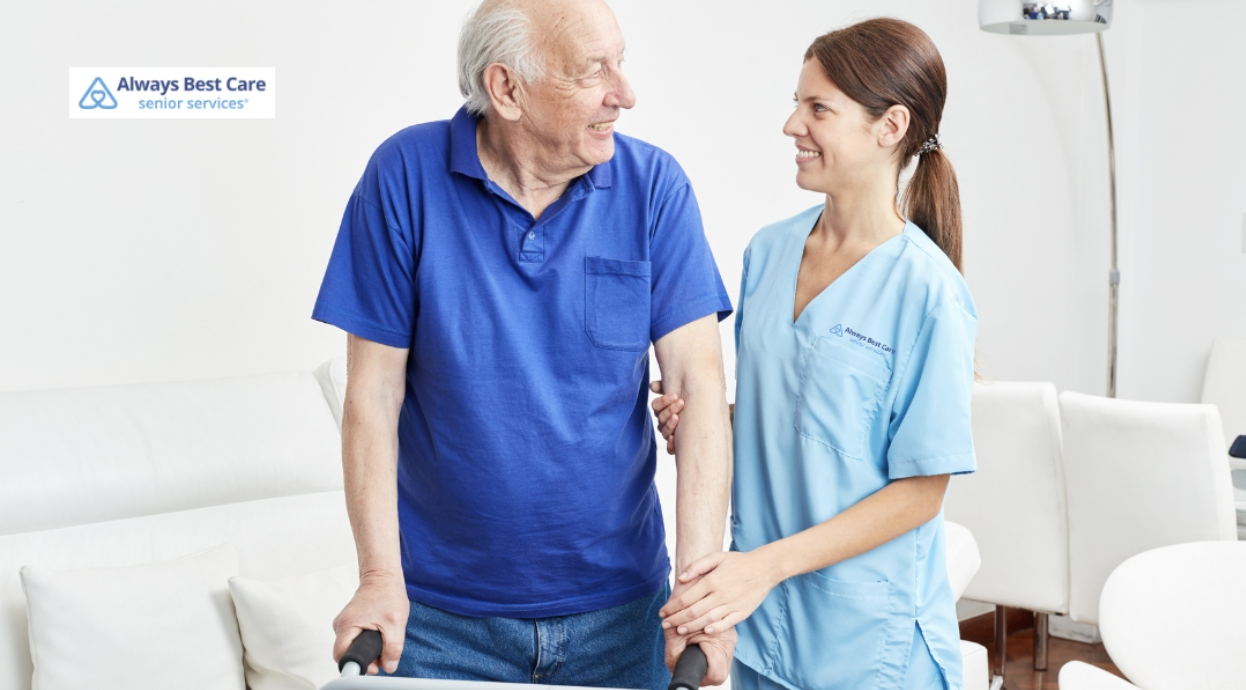
Returning home after a stroke can feel both hopeful and overwhelming. While hospitals stabilize patients and rehabilitation centers build early momentum, the real work of recovery often happens at home, where daily life presents its own set of challenges and opportunities.
Home health services bridge that gap. By bringing skilled medical professionals directly into the home, stroke survivors in NW Calgary can continue their recovery in a familiar environment, surrounded by the people and routines that matter most to them.
What you will learn:
- How professional in-home medical monitoring and skilled nursing keep recovery safe and on track right in your own living room.
- The way personalized physical and occupational therapy helps survivors relearn daily routines and rebuild strength in a familiar, cozy environment.
- The importance of emotional support and specialized oversight in preventing setbacks and boosting a survivor’s confidence.
- How a coordinated care team in NW Calgary provides a comprehensive, compassionate approach to help families feel supported every step of the way.
Table of Contents
The Real Challenges of Post-Stroke Recovery
No two strokes are alike. Depending on which part of the brain is affected, survivors may experience mobility limitations, speech difficulties, memory gaps, emotional changes, or a combination of these. Many seniors leave rehabilitation still requiring ongoing support, not because they haven’t made progress, but because recovery is a long-term process.
What makes home health particularly effective is its ability to meet patients where they are, literally. Rather than requiring frequent trips to clinics or outpatient facilities, care comes to the senior. This reduces physical strain, lowers the risk of exposure to illness, and allows therapy to be tailored to the actual living environment.
Skilled Nursing: Medical Oversight That Travels With You
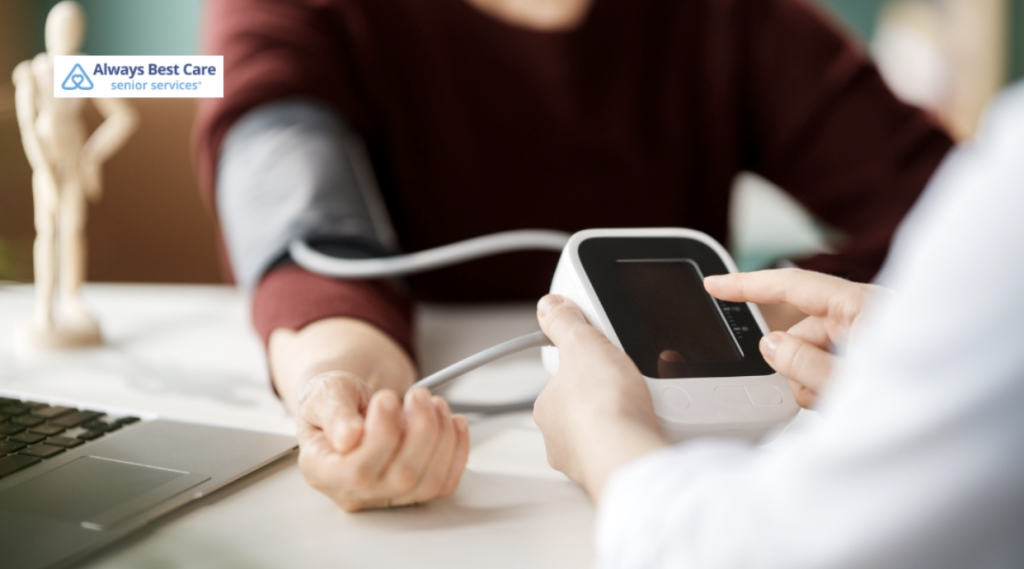
After a stroke, medical monitoring doesn’t stop at discharge. Skilled nursing services ensure that recovery stays on track and that complications are caught early.
A home health nurse in NW Calgary may assist with:
- Monitoring blood pressure, heart rate, and other vital signs.
- Managing medications and adjusting dosing schedules as needed.
- Identifying early warning signs of a secondary stroke.
- Educating family members on what to watch for and how to respond.
- Coordinating care with the senior’s physician and specialist team.
Many stroke survivors also manage other chronic conditions such as diabetes, high blood pressure, or heart disease. Skilled nurses integrate management of these conditions into the overall recovery plan, reducing the risk of complications that could derail progress.

Physical Therapy: Rebuilding Strength and Movement
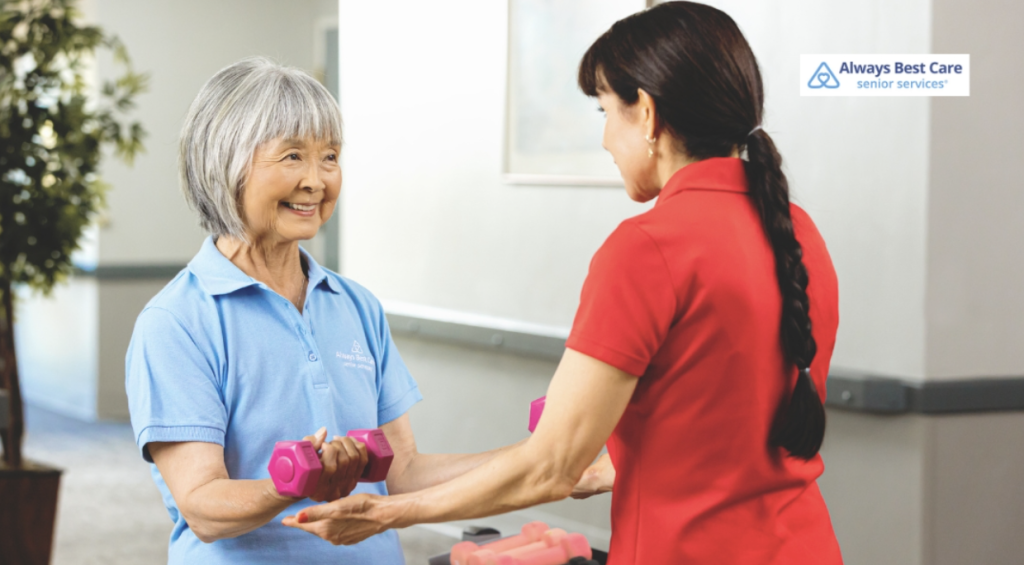
Weakness or partial paralysis on one side of the body is one of the most common effects of a stroke. Physical therapy focuses on restoring as much function as possible through targeted, progressive exercise.
A home health physical therapist in NW Calgary works with seniors to improve:
- Muscle strength and coordination.
- Balance and fall prevention.
- Walking ability and safe mobility throughout the home.
- Range of motion in affected arms and legs.
Because therapy takes place at home, the exercises are directly relevant to the senior’s actual environment. A therapist can work on safely navigating the specific staircase in the home, moving between rooms, or getting in and out of the senior’s own bed. This real-world focus accelerates progress and builds confidence in ways that a clinical setting often cannot replicate.
Occupational Therapy: Relearning the Routines of Daily Life
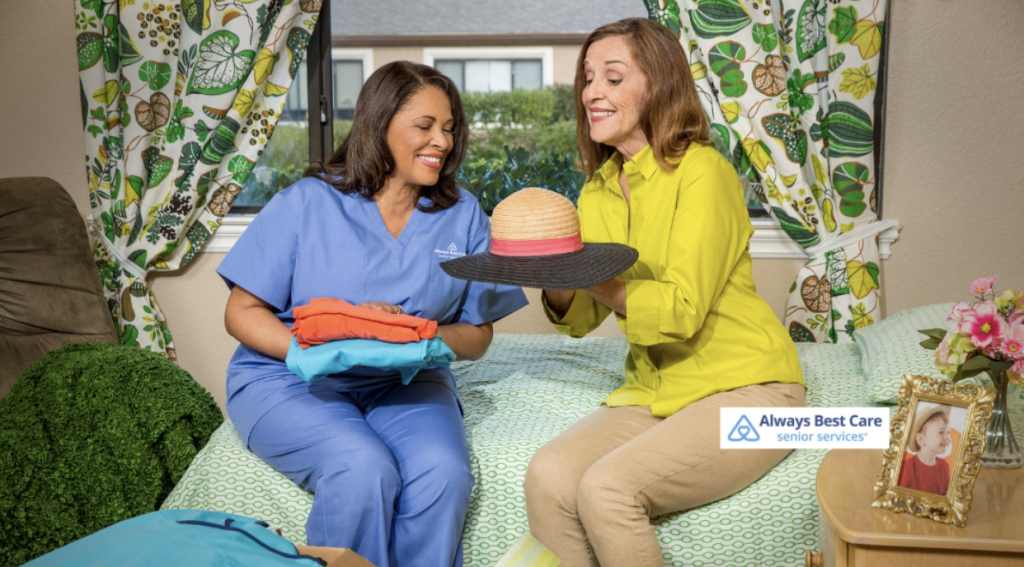
A stroke can make ordinary tasks feel foreign. Buttoning a shirt, preparing a simple meal, or stepping into the shower may require entirely new approaches after a stroke affects fine motor skills or coordination.
Occupational therapists help seniors rediscover their independence by developing practical strategies and adapting the home environment to support safer, more manageable routines.
Occupational therapy in NW Calgary may include:
- Relearning safe bathing, grooming, and dressing techniques.
- Practicing household tasks with adaptive methods or tools.
- Improving hand strength and fine motor coordination.
- Recommending assistive devices such as grab bars, reachers, or modified utensils.
- Identifying and addressing home hazards that increase fall risk.
The goal isn’t just to help seniors get through the day; it’s to help them feel capable and in control of their own lives again.
Monitoring for Complications and Setbacks
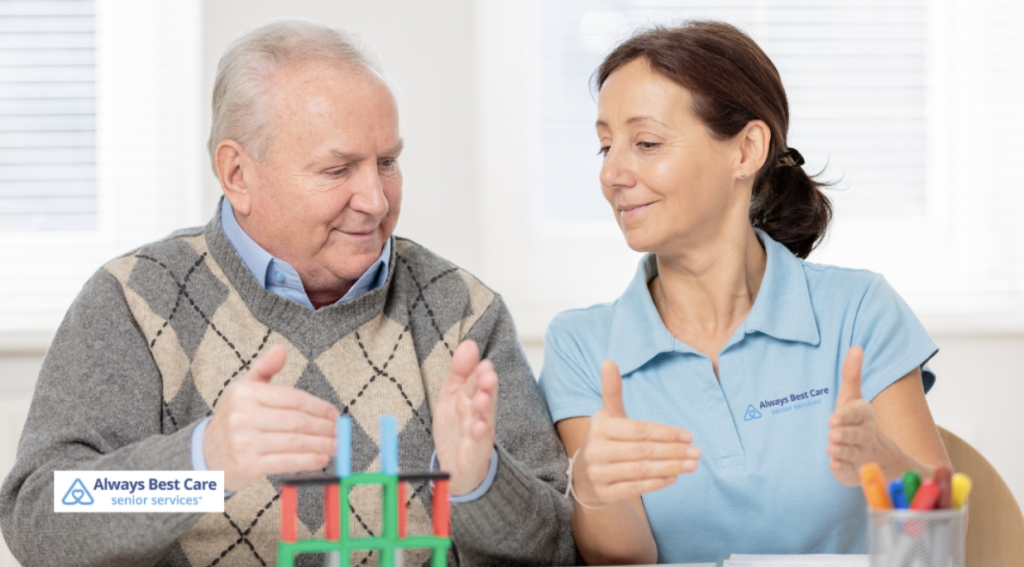
Recovery rarely follows a straight line. Home health professionals play a critical role in tracking progress over time and identifying warning signs before they become serious problems.
Home health teams monitor for:
- Sudden changes in speech, vision, or movement.
- Increased weakness or new balance issues.
- Unusual fatigue, confusion, or mood shifts.
- Any signs of a recurring stroke or cardiovascular event.
Early intervention can prevent hospital readmissions and keep recovery on track. Having a professional set of eyes regularly monitor a patient’s condition is one of the most valuable aspects of home health care.
Emotional Wellbeing Is Part of Recovery, Too
The emotional toll of a stroke is often underestimated. Frustration, grief over lost abilities, anxiety about the future, and depression are all common, and all can slow physical recovery if left unaddressed.
Home health caregivers and nurses provide more than clinical support. Their consistent presence offers companionship, encouragement, and a sense of stability during a period that can feel deeply uncertain. Families also benefit, gaining peace of mind knowing that their loved one is not navigating recovery alone.
How Always Best Care of Calgary NW Supports Stroke Recovery at Home
At Always Best Care of Calgary NW, we take a comprehensive approach to post-stroke care. Our team coordinates with physicians, therapists, and family members to build a care plan that reflects each senior’s specific needs, goals, and home environment.
Beyond skilled nursing and therapy coordination, our caregivers assist with daily activities, meal preparation, transportation to follow-up appointments, and meaningful companionship. We’re here to support the whole person, not just the medical checklist.
If your loved one is recovering from a stroke, you don’t have to figure it out alone. Contact Always Best Care of Calgary NW at (403) 812-0778 to schedule a care consultation and learn how our skilled nursing, therapy coordination, and compassionate caregiving can support a safer, stronger recovery at home.
Frequently Asked Questions
How soon after a stroke can home health services begin?
Home health services can typically begin shortly after a senior is discharged from the hospital or a rehabilitation facility. A physician’s referral is usually required, and services can often be arranged within a few days of discharge.
What is the difference between home health and home care?
Home health refers to medically focused services provided by licensed professionals, such as nurses, physical therapists, and occupational therapists. Home care typically refers to non-medical support such as help with bathing, meal preparation, and companionship. Many families benefit from working together.
How long does stroke recovery take with home health support?
Recovery timelines vary significantly depending on the severity of the stroke and the individual’s overall health. Some seniors see major improvements within weeks; others continue making meaningful progress over months or even years. Home health services can be adjusted as needs change throughout the recovery journey.
Will insurance cover home health services after a stroke?
Many home health services are covered by provincial health programs or private insurance plans, particularly when ordered by a physician. It’s worth reviewing your specific coverage and speaking with a care coordinator to understand what is available to you.
How can family members support a loved one receiving home health care?
Family involvement is encouraged and valuable. Staying informed about the care plan, participating in caregiver education sessions, and maintaining open communication with the home health team all contribute to better outcomes for the stroke survivor.