
Decoding Senior Hydration: Why Feeling Thirsty Isn’t the Only Warning Sign

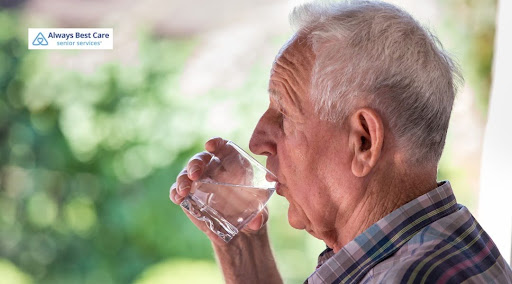
For most of us, thirst is a built-in reminder to drink water. But for older adults, that signal becomes increasingly unreliable with age. Seniors can be significantly dehydrated before they feel any urge to drink, and by then, the body is already working harder than it should to compensate.
Understanding why this happens and what to do about it is one of the most practical steps families and caregivers can take to protect a senior’s long-term health.
What you will learn:
- Why the body’s natural thirst signals change with age and how this affects fluid balance.
- The early warning signs of dehydration and the physical and cognitive risks to watch out for.
- Practical daily routines, hydrating foods, and creative tips to keep your loved one comfortably hydrated.
- How thoughtful home care support from Always Best Care of Calgary NW helps seniors stay healthy and independent.

Table of Contents
The Aging Body and Fluid Regulation
The human body depends on fluid balance to function properly. As people age, total body water decreases, and the mechanisms that regulate hydration become less efficient.
The hypothalamus (the part of the brain responsible for triggering thirst) becomes less sensitive over time. This means older adults may not receive a clear thirst signal even when fluid levels are already low. On top of that, the kidneys become less effective at conserving water, which means more fluid is lost through urination even when intake is low.
Several other factors compound the problem:
- Medications such as diuretics, antihistamines, and blood pressure drugs can increase fluid loss or suppress thirst.
- Mobility limitations make it physically harder to get up and get a drink.
- Cognitive changes can cause seniors to forget to drink or lose track of how much they’ve had.
- Fear of incontinence leads some seniors to deliberately limit fluid intake.
- Reduced appetite means fewer hydrating foods consumed throughout the day.
Because these changes develop gradually, many seniors (and their families) don’t realize there’s a problem until dehydration has already taken hold.
What Dehydration Actually Does to the Body
Dehydration isn’t just about feeling thirsty or having a dry mouth. Even mild fluid loss (as little as 1–2% of body weight) can have measurable effects on how a senior thinks, moves, and feels.
Physically, dehydration can cause fatigue, headaches, constipation, low blood pressure, and dizziness. It also increases the risk of urinary tract infections, kidney stones, and dangerous falls.
Cognitively, even mild dehydration impairs concentration, short-term memory, and reaction time. In seniors already managing early cognitive decline, dehydration can make symptoms appear significantly worse, sometimes mimicking dementia.
Cardiovascular strain is another underappreciated risk. When blood volume drops due to dehydration, the heart has to work harder to circulate blood, which can be particularly dangerous for seniors with existing heart conditions.
Severe dehydration can result in hospitalization and, in vulnerable older adults, can become life-threatening. The good news is that it’s largely preventable with the right habits and awareness.
Warning Signs to Watch For
Because seniors may not report feeling thirsty, families and caregivers need to know what dehydration looks like from the outside.
Early signs include:
- Dry or sticky mouth.
- Dark yellow urine or infrequent urination.
- Dry skin that doesn’t bounce back quickly when pinched.
- Fatigue or low energy without a clear cause.
- Mild confusion or increased forgetfulness.
More serious signs include:
- Rapid heartbeat or breathing.
- Sunken eyes.
- Significant confusion or disorientation.
- Inability to stand without dizziness.
- Little to no urination over several hours.
If moderate to severe symptoms appear, seek medical attention promptly. Don’t wait to see if they resolve on their own.

Building a Hydration Routine That Works
Since thirst can’t be relied upon, hydration needs to become a scheduled habit rather than a reactive one. The goal is to make drinking fluids a natural, low-effort part of the day.
Practical strategies include:
- Drinking a glass of water first thing in the morning and with every meal.
- Keeping a filled water bottle or glass visible and within easy reach at all times.
- Setting phone or watch reminders to drink every 1–2 hours.
- Pairing fluid intake with existing habits: a glass of water before medications, after a walk, or during a favourite TV show.
- Offering a variety of beverages to prevent boredom: herbal teas, diluted juice, and sparkling water all count.
Hydration doesn’t have to come from water alone. Many foods contribute meaningfully to daily fluid intake, including watermelon, cucumbers, oranges, strawberries, yogurt, broth-based soups, and leafy greens. Incorporating these into regular meals is an easy, enjoyable way to boost hydration without adding more drinks to the day.

How Caregivers Make a Real Difference
For seniors living alone or managing multiple health conditions, staying consistently hydrated is genuinely difficult. Caregivers, whether family members or professional home care aides, play a critical role in bridging that gap.
Effective caregiver support looks like:
- Proactively offering fluids throughout the day rather than waiting to be asked.
- Preparing meals and snacks that include hydrating ingredients.
- Monitoring urine colour and frequency as a simple hydration check.
- Noting behavioural or cognitive changes that could signal dehydration.
- Communicating observations to healthcare providers when patterns change.
Small, consistent actions from a caregiver can prevent the kind of gradual dehydration that quietly undermines a senior’s health over weeks and months.
How Always Best Care of Calgary NW Supports Healthy Hydration
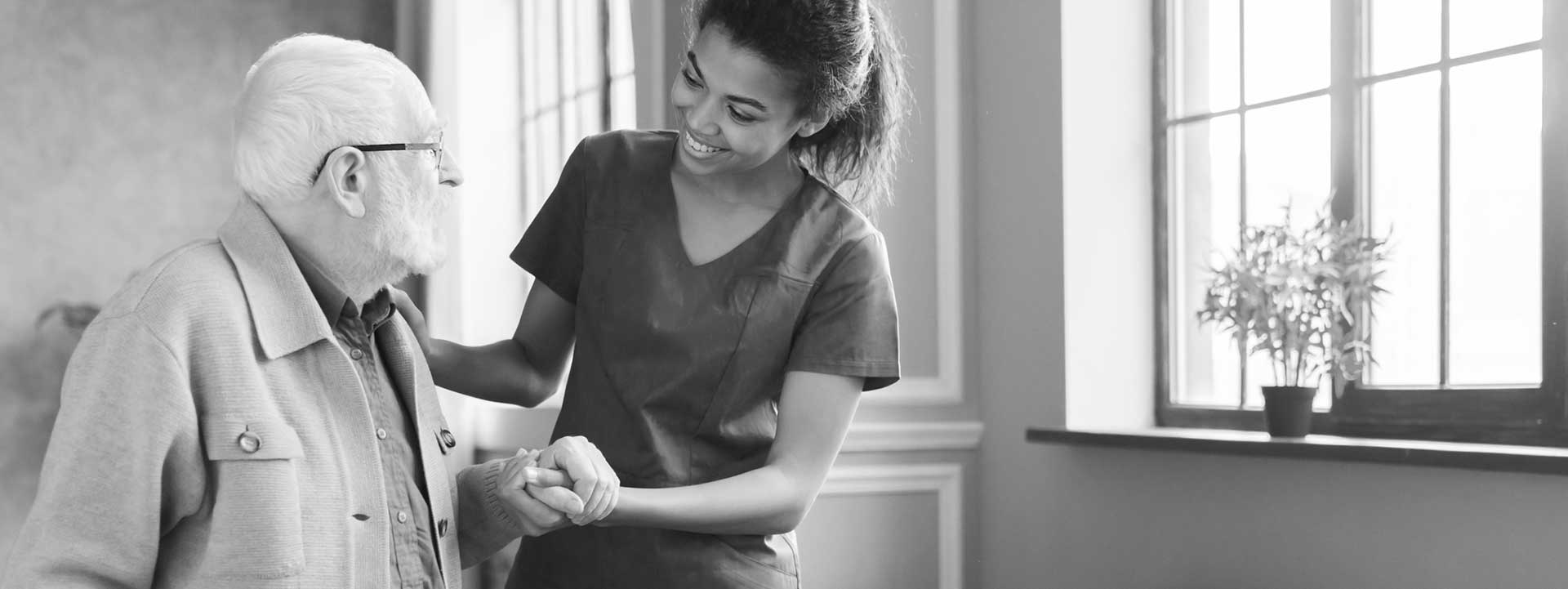
At Always Best Care of Calgary NW, hydration is treated as a core part of daily care, not an afterthought. Our caregivers are trained to support seniors in building routines that prioritize nutrition, fluid intake, and overall well-being.
From preparing hydrating meals to offering regular reminders and monitoring for early warning signs, our team provides the consistent, attentive support that makes a real difference in a senior’s quality of life. We’re committed to helping your loved one stay healthy, comfortable, and independent at home.
If your loved one needs extra support at home, Always Best Care of Calgary NW is here to help. Contact us at (403) 812-0778 to schedule a care consultation and learn how our team can help your loved one stay healthy, hydrated, and independent every day.

Frequently Asked Questions
Q: How much water should seniors drink each day?
A: General guidance suggests around 8 cups (64 oz) of fluid per day, but individual needs vary based on body size, activity level, medications, and health conditions. A senior’s doctor can provide a more personalized recommendation.
Q: Can seniors drink too much water?
A: Yes. Overhydration, or hyponatremia, can occur when sodium levels in the blood become too diluted. This is less common but worth discussing with a healthcare provider, especially for seniors on certain medications.
Q: Are caffeinated drinks like coffee or tea okay for hydration?
A: In moderate amounts, yes. While caffeine has a mild diuretic effect, research shows that caffeinated beverages still contribute to overall fluid intake. Herbal teas are a great caffeine-free alternative.
Q: What’s the easiest way to check if a senior is hydrated?
A: Urine colour is one of the simplest indicators. Pale yellow urine generally signals good hydration; dark yellow or amber urine suggests the senior needs more fluids.
Q: Should hydration habits change in summer or during illness?
A: Absolutely. Heat, physical activity, fever, vomiting, and diarrhea all increase fluid loss significantly. During these times, seniors need to drink more than usual, and caregivers should monitor them more closely.