

Combating Senior Loneliness: The Critical Role of Companion Care

Loneliness in seniors is more than just an emotional experience—it’s a serious health issue that can affect physical health, cognitive function, and overall well-being. As seniors navigate shifts in mobility, shrinking social circles, or changing family dynamics, feelings of isolation can become all too common.
This is where companion care makes a meaningful difference. By providing consistent social interaction, emotional reassurance, and support with everyday tasks, companion care helps fill the space between independence and the need for connection.
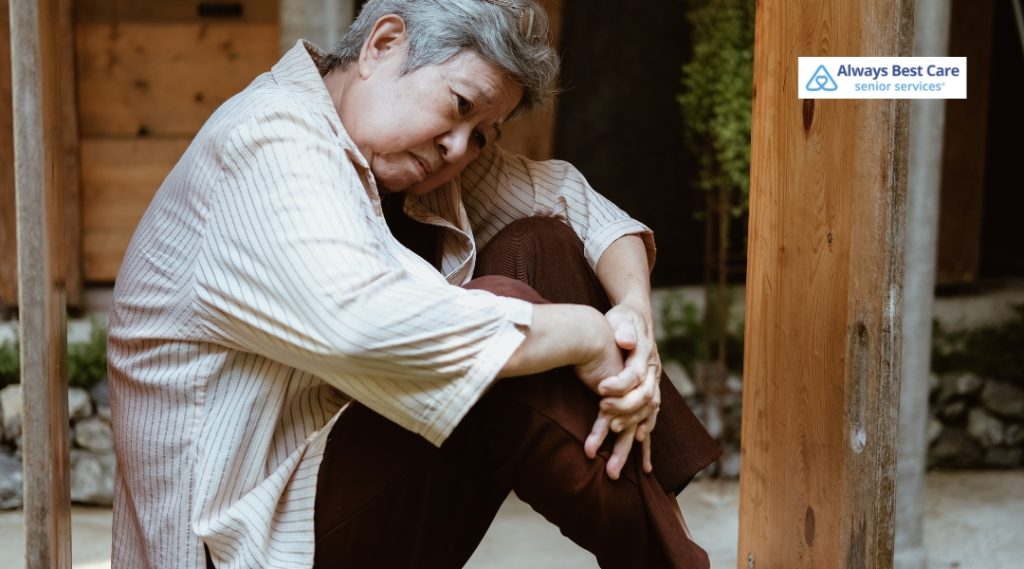
Table of Contents
The Silent Struggle: Loneliness in Seniors
A once-active social life may gradually fade due to retirement, the passing of a spouse, or limited mobility. Friends and family may live far away, and daily interactions that once felt routine, like chatting with a neighbour or visiting the grocery store, become less frequent.
What makes this struggle particularly difficult is that seniors may not openly express these feelings. Instead, they might withdraw further. Without proactive support, this emotional distance can deepen over time, affecting not just their mood but also their overall sense of purpose.
How Aging Increases the Risk of Social Isolation
Physical health changes such as reduced mobility, chronic pain, or hearing and vision impairments can make it harder to participate in social activities or even leave the house. Cognitive decline may also make social settings feel overwhelming or confusing.
Additionally, seniors often face changes in their living arrangements, such as downsizing to a new home or losing a life partner, which can disrupt long-standing social ties.
Even when family members are supportive, they may have work or family obligations that limit their ability to visit regularly. All of these factors compound, making it increasingly difficult for seniors to stay connected to their communities.
Why Loneliness Isn’t Just an Emotion, It’s a Health Risk
Chronic loneliness can increase the risk of heart disease, high blood pressure, stroke, and even premature death. It can also contribute to the development or worsening of conditions such as depression, anxiety, and cognitive decline.
Recognizing loneliness as a serious health issue, rather than just an emotional one, is the first step toward effective intervention and compassionate care.

5 Ways Companion Care Helps Alleviate Loneliness
Companion care bridges these gaps by providing consistent, thoughtful interactions. Here are five impactful ways companion care helps ease loneliness:
1. Creating Daily Social Touchpoints
Companion caregivers bring warmth to everyday moments, whether it’s sharing a quiet cup of tea or reminiscing about cherished memories.
These small but consistent interactions create structure and emotional uplift, making each day feel more connected and purposeful.
Even something as simple as a shared meal becomes a moment of companionship, helping seniors enjoy the comfort of being truly seen and heard.
2. Providing Steady Emotional Support
Beyond helping with daily routines, companion caregivers offer emotional grounding through presence and empathy.
They provide a non-judgmental ear, gentle encouragement, and a safe space for seniors navigating grief, illness, or change.
This reliable emotional support reduces anxiety and reinforces the senior’s sense of dignity and self-worth.
3. Supporting Everyday Independence
With companion care, seniors receive the support they need to stay active and independent, whether it’s running errands, taking a walk, or joining a local event.
These activities not only preserve a sense of autonomy but also foster mental stimulation and regular social engagement, both crucial to aging well.
4. Building Trust and Genuine Companionship
From gardening and puzzles to music and knitting, companion caregivers engage seniors in meaningful pastimes that reflect who they are.
These shared hobbies nurture a sense of identity and enjoyment, often opening doors to new social connections and friendships within the community.
Rather than just filling time, caregivers help seniors reconnect with what brings them joy and purpose.
5. Enhancing Long-Term Health and Well-Being
Familiar, consistent companionship offers comfort in the face of aging’s uncertainties.
Seeing the same friendly caregiver builds a sense of trust and continuity, which helps seniors feel more secure and less alone.
Over time, these relationships evolve into deep bonds—transforming routine care into a source of lasting emotional support.

Get Started with the Right Companion Care Provider
Contact Always Best Care of Calgary NW at (587) 912-0329 to learn more and schedule your free consultation.