

How the End of Daylight Saving Time Affects Seniors in Edmonton

When the clocks fall back, most people welcome the extra hour of sleep and move on. But for older adults, the end of daylight saving time can trigger a cascade of adjustments that go well beyond resetting a watch. Earlier darkness, disrupted sleep rhythms, medication timing questions, and increased fall risks all deserve attention, especially for seniors living independently or with limited support.
This guide walks families and caregivers through practical, proactive steps to help older loved ones navigate the time change safely and comfortably.
What you will learn:
- Gentle ways to ease your aging loved one into a new sleep routine while keeping medication schedules consistent.
- Everyday adjustments, from improving indoor lighting to making walkways safer and planning around earlier sunsets.
- Thoughtful ways to lift your loved one’s spirits, maintain meaningful connections, and make shorter days feel less isolating.
Table of Contents
Why the Time Change Hits Seniors Harder
The human body runs on a circadian rhythm, an internal clock that regulates sleep, hunger, hormone release, and mood. This rhythm is primarily driven by light exposure. When daylight saving time ends and evenings suddenly go dark an hour earlier, that internal clock gets a jolt.
For younger adults, the adjustment is usually minor. For seniors, it can be more significant. Age-related changes in the sleep-wake cycle already make older adults more vulnerable to disruption.
Many seniors sleep lighter, wake more frequently, and have less flexibility in their circadian rhythms. Add in chronic conditions, multiple medications, vision changes, or cognitive decline, and a one-hour shift can have a real impact on daily functioning.

Ease Into the New Sleep Schedule
Rather than making an abrupt switch on the night the clocks change, a gradual approach works better for most seniors.
- Start a few days early. Shift bedtime and wake-up time by 15–20 minutes each day in the days leading up to the change. This gives the body time to adapt without a sudden jolt.
- Prioritize morning light. Light is the most powerful signal for resetting the circadian clock. Encourage your loved one to open the curtains first thing in the morning or step outside briefly after waking up. Even on overcast days, natural light is more effective than indoor lighting.
- Watch afternoon naps. A short nap (20–30 minutes) earlier in the afternoon is generally fine. Long or late naps, however, can interfere with nighttime sleep and make the adjustment period drag on longer.
- Keep daytime routines consistent. Meals, physical activity, and social engagement at regular times help anchor the body’s internal clock and make the sleep schedule easier to stabilize.
Review Medication Schedules Before the Clocks Change
For seniors managing multiple prescriptions, the time change raises a practical question: should medications be taken at the same clock time or the same biological time?
For most medications, a one-hour shift is not clinically significant. However, some drugs (particularly those for seizures, diabetes, heart conditions, or mental health) require more careful timing. Abruptly shifting these by an hour, or keeping them at the old clock time, could affect their effectiveness or cause side effects.
Before the clocks change:
- Review your loved one’s full medication list and note which ones have strict timing requirements.
- Contact the prescribing physician or pharmacist with any questions about adjusting timing.
- Update pill organizers, reminder apps, and caregiver notes to reflect the new schedule.
- Check expiration dates and refill supplies while you’re at it.

Address the Lighting in the Home
One of the most underestimated effects of the time change is how quickly the home environment shifts. Areas that were well-lit at 5:00 PM in October are suddenly dim or dark by the same time in November.
For seniors with age-related vision changes (reduced contrast sensitivity, slower adaptation to low light, or conditions like cataracts or macular degeneration), this matters a great deal.
Do a lighting walkthrough of the home:
- Check hallways, stairwells, bathrooms, and the path between the bedroom and bathroom.
- Replace dim or burned-out bulbs with brighter, energy-efficient options.
- Add nightlights in key areas, particularly for seniors who get up at night.
- Make sure light switches are easy to locate and reach.
- Improve outdoor lighting at entrances, steps, and walkways.
Motion-activated lights can be especially helpful for seniors who may not always remember to turn lights on before moving through a dark space.
Rethink Evening Driving Habits
Driving after dark becomes more challenging with age. Reduced night vision, slower pupil response, increased sensitivity to glare, and difficulty judging distances in low light are all common age-related changes that make nighttime driving riskier.
When daylight saving time ends, a drive that used to happen in daylight (a trip to the pharmacy, a visit to a friend, an evening errand) may now take place in the dark.
Practical steps:
- Encourage your loved one to schedule appointments and errands earlier in the day when possible.
- Have an honest, non-judgmental conversation about nighttime driving comfort.
- Identify alternatives: family members, friends, community transit, rideshare services, or professional caregivers who can assist with transportation.
- If driving at night is unavoidable, make sure the vehicle’s headlights, mirrors, and windshield are clean and in good condition.
The goal is not to take away independence, but to help seniors make informed choices about when and how they travel.
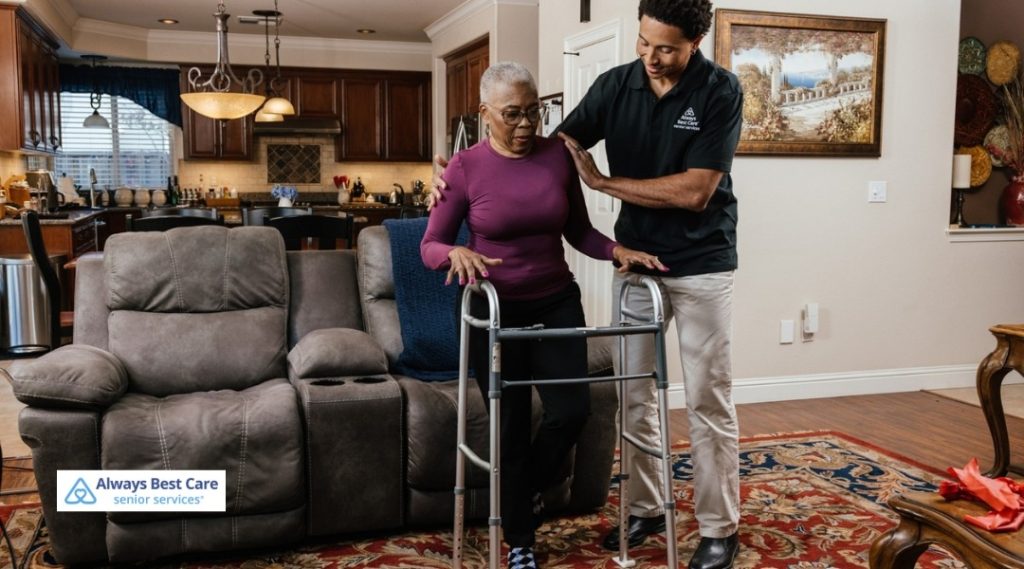
Reduce Fall Risks as Darkness Arrives Earlier
Falls are the leading cause of injury among older adults, and low-light conditions significantly increase the risk. The end of daylight saving time creates new hazards both inside and outside the home.
Indoors:
- Remove or secure loose rugs, electrical cords, and clutter from walkways.
- Rearrange furniture if needed to create clear, unobstructed paths.
- Ensure grab bars are installed in bathrooms and near stairs.
Outdoors:
- Clear fallen leaves from walkways, as they can hide uneven surfaces and become slippery when wet.
- Check that outdoor steps and ramps are in good repair.
- Encourage seniors to wear supportive, non-slip footwear, especially in the evening.
If your loved one is starting to avoid activities or outings because they fear falling after dark, take that seriously. Fear of falling can lead to reduced activity, which weakens muscles and balance over time, ultimately increasing fall risk rather than reducing it.
Watch for Mood and Behavioural Changes
The shift to shorter days affects more than physical safety. Reduced sunlight exposure is linked to lower serotonin levels and can contribute to seasonal mood changes, including Seasonal Affective Disorder (SAD). Seniors who are already socially isolated or dealing with depression may be particularly vulnerable.
Signs to watch for:
- Withdrawal from social activities or hobbies.
- Changes in appetite or sleep patterns.
- Increased irritability, sadness, or low energy.
- Reduced interest in daily routines.
What helps:
- Encourage daytime outings, even brief ones, to maximize light exposure.
- Schedule regular phone or video calls with family and friends.
- Maintain consistent social activities and routines.
- Talk to a physician if mood changes persist or worsen.

A Small Change That Deserves Thoughtful Preparation
Turning the clocks back takes seconds. Helping a senior loved one adjust safely can take a few weeks. By addressing sleep, medications, lighting, driving, fall prevention, and emotional well-being ahead of time, families can make the transition far smoother.
Always Best Care of Edmonton caregivers provide companionship, transportation assistance, medication reminders, help with daily routines, and personalized in-home support to help seniors stay safe and independent through every season.
Contact Always Best Care of Edmonton at (587) 401-3839 to schedule a care consultation and learn more about our in-home care services.
Frequently Asked Questions
Q: How long might my loved one take to get used to the clocks changing?
A: For most adults, adjusting takes anywhere from a few days to about a week. Seniors with dementia, sleep difficulties, or ongoing health concerns may need a little more time, sometimes as long as two weeks. Starting the transition early with small changes to everyday routines can help them settle into the new schedule more comfortably.
Q: Should my parent’s medication routine change when daylight saving time ends?
A: It’s best to speak with their healthcare provider or pharmacist before changing medication times. Although a one-hour difference is unlikely to affect most prescriptions significantly, medications such as insulin, blood thinners, and seizure treatments may require careful scheduling. Professional guidance can help ensure that any changes are made safely.
Q: What makes adjusting to daylight saving time harder for older adults?
A: Our natural sleep-wake cycles become less flexible as we get older. This means even a small change in the clock can affect an older person’s sleep and daily routine. Existing medical conditions and medications that interfere with restful sleep can make the adjustment more challenging.
Q: How can I improve lighting around my loved one’s home during fall?
A: Start by making sure frequently used spaces are easy to navigate after dark. Motion-sensor nightlights are helpful in bathrooms and hallways, while LED bulbs providing at least 800 lumens can brighten main living areas. Outdoor paths should also be well illuminated. Try to avoid sharp differences in lighting between rooms, which may leave seniors feeling disoriented.
Q: Can shorter days affect an older person’s emotional health?
A: Yes. Less exposure to natural daylight can contribute to seasonal mood changes, including Seasonal Affective Disorder (SAD). Older adults may experience tiredness, low mood, or less interest in activities they usually enjoy. Those managing chronic conditions or spending significant time alone may face greater challenges. Light therapy, daytime activities, and regular visits with friends or family can offer support.
Q: How can I support an aging family member through the fall time change?
A: A little preparation can make a meaningful difference. Help your loved one ease into new daily schedules, check that their home has sufficient lighting, and spend time outdoors together during daylight hours. Watch for changes in sleep or mood, and make companionship a regular part of their routine as evenings become darker.
Sources
- National Institute on Aging – A Good Night’s Sleep
- American Academy of Sleep Medicine – Daylight Saving Time Position Statement
- Centers for Disease Control and Prevention – Falls Prevention
- National Eye Institute – Age-Related Vision Changes
- Canadian Mental Health Association – Seasonal Affective Disorder