

How Edmonton Seniors Can Stay Hydrated Without Feeling Thirsty | Always Best Care

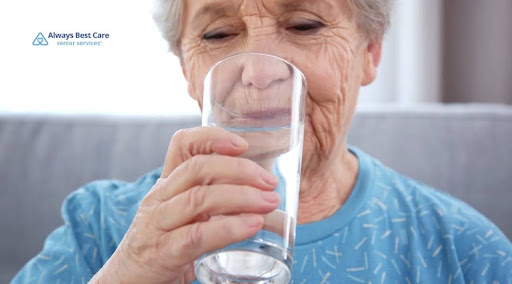
Most people rely on thirst to know when to drink water. But for older adults, that signal is no longer dependable. The body’s ability to detect dehydration weakens with age, meaning seniors can be significantly low on fluids before they feel any urge to drink. This is not a minor inconvenience; it is a health risk that affects thousands of older adults every year.
Understanding why this happens and what to do about it can help seniors and their families take a more proactive approach to hydration.
What You Will Learn:
- The Aging Thirst Mechanism: The physiological reasons why the brain’s thirst signals become less responsive over time.
- Compounding Risk Factors: How medications, mobility limitations, and reduced muscle mass accelerate fluid loss.
- The Consequences of Dehydration: The immediate physical, cognitive, and health risks associated with inadequate fluid intake.
- Early Warning Indicators: Key physical and behavioural signs to watch for before severe symptoms develop.
- Practical Hydration Routines: Actionable methods to establish consistent daily drinking habits.
- Alternative Fluid Sources: How water-rich foods and non-caffeinated beverages contribute to overall hydration.
- The Role of Professional Caregivers: How home care aides assist in maintaining daily hydration and overall health.
Table of Contents
What Happens to Thirst as We Age
The thirst mechanism is controlled by the brain, specifically by receptors that detect shifts in blood concentration and fluid levels. As people age, these receptors become less sensitive. The result is a delayed or muted thirst response; seniors may not feel thirsty even when their bodies are already running low on fluids.
This is compounded by several other age-related changes:
- Reduced kidney efficiency: Aging kidneys are less effective at conserving water, leading to greater fluid loss.
- Medication side effects: Diuretics, blood pressure medications, and certain antihistamines can increase fluid loss or suppress thirst.
- Decreased muscle mass: Muscle tissue holds water. Less muscle means the body stores less fluid overall.
- Mobility limitations: When getting up to pour a glass of water requires effort, seniors may simply drink less.
- Bathroom concerns: Fear of incontinence or frequent nighttime trips can lead some seniors to deliberately limit fluid intake.
These factors do not always appear in isolation. Many seniors deal with several at once, making dehydration a compounding risk.
Why Dehydration is More Dangerous for Older Adults
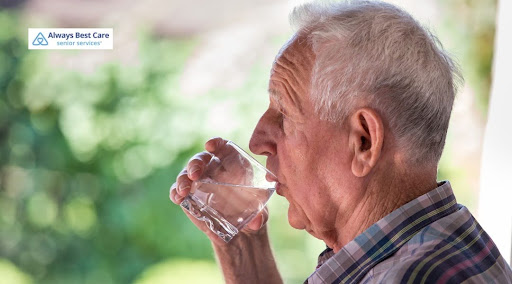
Dehydration affects everyone, but its consequences are more severe and faster-moving in older adults. Even mild dehydration (a fluid loss of just 1% to 2% of body weight) can cause noticeable cognitive and physical decline in seniors.
Short-term effects include:
- Fatigue and low energy.
- Headaches and difficulty concentrating.
- Dizziness or lightheadedness.
- Constipation.
- Increased fall risk.
If dehydration goes unaddressed, more serious complications can develop:
- Urinary tract infections.
- Kidney strain or acute kidney injury.
- Dangerous drops in blood pressure.
- Severe confusion or delirium.
- Hospitalization.
Falls and confusion are two of the most serious risks. Dehydration impairs balance and reaction time, and it can mimic or worsen symptoms of dementia, making it harder for families to identify what is actually wrong.
Warning Signs to Watch For
Because seniors may not report feeling thirsty, families and caregivers need to recognize the physical signs of dehydration early.
Watch for:
- Dry mouth, cracked lips, or a coated tongue.
- Dark yellow or amber-colored urine.
- Infrequent urination.
- Dry or flaky skin.
- Sudden confusion or increased forgetfulness.
- Unusual fatigue or weakness.
- Dizziness when standing up.
If these symptoms appear suddenly or worsen over a short period, contact a healthcare provider promptly. In older adults, dehydration can escalate quickly.

Building a Hydration Routine That Works
Since thirst is unreliable, the most effective strategy is to make hydration a scheduled habit rather than a reactive one.
Practical steps that help:
- Drink with every meal: Pairing fluids with breakfast, lunch, and dinner creates a built-in routine.
- Keep water visible: A filled glass or water bottle in plain sight serves as a passive reminder.
- Use alarms or apps: Simple phone reminders set at regular intervals can prompt fluid intake throughout the day.
- Hydrate before going out: Before any outdoor activity or errand, make drinking a glass of water part of the preparation.
- Sip steadily: Drinking small amounts consistently is more effective than consuming large quantities at once.
Consistency matters more than volume at any single moment. Small, regular sips throughout the day are easier on the body and more sustainable as a long-term habit.
Hydration Goes Beyond Water
Water is the gold standard, but it is not the only way to stay hydrated. Many foods and beverages contribute meaningfully to daily fluid intake.
Hydrating foods to incorporate:
- Watermelon, cucumbers, and strawberries.
- Oranges and other citrus fruits.
- Lettuce and leafy greens.
- Yogurt and low-fat milk.
- Broth-based soups.
Beverage options beyond plain water:
- Herbal teas (hot or iced).
- Diluted fruit juices.
- Sparkling water.
- Electrolyte drinks (low-sugar options).
For seniors who find plain water unappealing, adding a slice of lemon, cucumber, or a small amount of fruit juice can make it more palatable without adding significant sugar.
How Caregivers Can Make a Real Difference
Caregivers, whether family members or professional home care aides, play a critical role in preventing dehydration. Because seniors may not ask for water or recognize their own symptoms, proactive support is essential.
Caregivers can help by:
- Offering fluids regularly throughout the day, not just at mealtimes.
- Preparing meals and snacks that include hydrating foods.
- Monitoring urine colour as a simple hydration check.
- Noting any changes in mood, energy, or cognition that may signal dehydration.
- Communicating observations to healthcare providers.
At Always Best Care of Edmonton, our caregivers are trained to support seniors’ daily health routines, including hydration. From meal preparation to gentle reminders and health monitoring, we help seniors stay well at home.

Frequently Asked Questions
Q: How much water should seniors drink each day?
A: General guidelines suggest around 8 cups (64 ounces) of fluid per day, but individual needs vary based on body weight, activity level, medications, and health conditions. A senior’s doctor is the best resource for a personalized recommendation.
Q: Can seniors drink too much water?
A: Yes, though it is less common. Overhydration, or hyponatremia, occurs when sodium levels in the blood become too diluted. Seniors with certain kidney or heart conditions may need to monitor fluid intake carefully. When in doubt, consult a healthcare provider.
Q: Are caffeinated drinks okay for hydration?
A: Moderate amounts of coffee or tea do contribute to fluid intake. The diuretic effect of caffeine is often overstated; for most people, caffeinated beverages still provide a net hydration benefit. However, they should not replace water as the primary fluid source.
Q: What is the easiest way to check if a senior is hydrated?
A: Urine colour is one of the simplest indicators. Pale yellow urine generally signals adequate hydration, while dark yellow or amber urine suggests the need for more fluids. Completely clear urine may indicate overhydration.
Q: When should dehydration be treated as a medical emergency?
A: Seek immediate medical attention if a senior shows signs of severe dehydration, including extreme confusion or disorientation, rapid heartbeat, inability to keep fluids down, fainting, or very dark urine with little output. These symptoms require prompt medical evaluation.
Supporting Healthy Habits Every Day
Dehydration is entirely preventable. With the right habits, awareness, and dedicated support, Edmonton seniors can maintain healthy hydration levels and protect their long-term health, independence, and daily vitality. If your loved one could benefit from daily assistance or personalized home care services, Always Best Care of Edmonton is here to assist every step of the way.
Contact Always Best Care of Edmonton today at (587) 407-1366 or email infoedmonton@abc-seniors.com to learn more and schedule your consultation.