
Oh boy, is there anything quite like an Edmonton summer? After months of scraping frost off our windshields, we finally get to soak up those glorious 17-hour days, catch a local festival, or just sit out on the deck enjoying the North Saskatchewan River valley breeze. But let’s be real for a second: while the sunshine does wonders for the soul, the summer heat can be surprisingly brutal on our senior loved ones.
As the calendar flips to the warmer months, our bodies undergo a few changes. Aging naturally puts the brakes on our built-in thermostat; sweat glands aren’t as efficient, and blood circulation shifts. Suddenly, a hot afternoon isn’t just uncomfortable it can slide into a health risk before you even notice.
The good news? A little bit of proactive planning around the house can keep your favourite seniors cool as a cucumber all season long.
Table of Contents
1. Get Your Home’s Defence Systems Up and Running
Don’t wait until a sweltering July heat dome settles over Alberta to find out if the house can handle it.
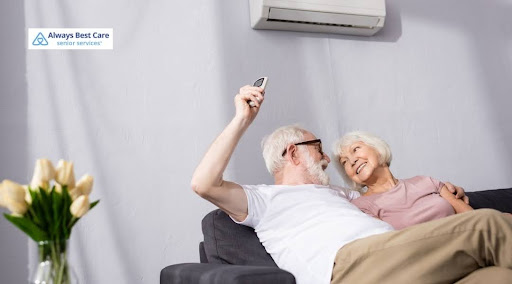
- Give the AC some love: Schedule a quick HVAC checkup early and swap out those dusty old filters. Good airflow is half the battle.
- Flip the switch: Check that your ceiling fans are rotating counter-clockwise to create a cool, downward breeze.
- Deploy the blackout shades: Pulling down curtains or blinds during the blistering midday sun keeps the interior from turning into an absolute greenhouse.
If the home doesn’t have central air, no need to panic. Take a moment to scope out air-conditioned community hubs like your local Edmonton Public Library branch or neighbourhood senior centers where they can hang out during extreme heat warnings.
2. Trick the Body Into Staying Hydrated
Here is a scary truth: seniors often lose their sense of thirst. By the time an older adult actually feels like grabbing a glass of water, they might already be running on fumes. Plus, a handful of common prescriptions can drain fluids even faster.
To beat this, you’ve got to make hydration incredibly easy. Scatter filled water bottles in plain sight right by the TV chair, on the nightstand, and on the kitchen island. If drinking plain water feels like a chore, switch things up! Serve up hydrating snacks like crisp celery, juicy strawberries, cucumbers, and big slices of watermelon. Just keep an eye on the morning coffee and sugary iced teas, since caffeine and sugar can accidentally speed up dehydration.
3. Scrub Away the Winter Wear on Outdoor Paths
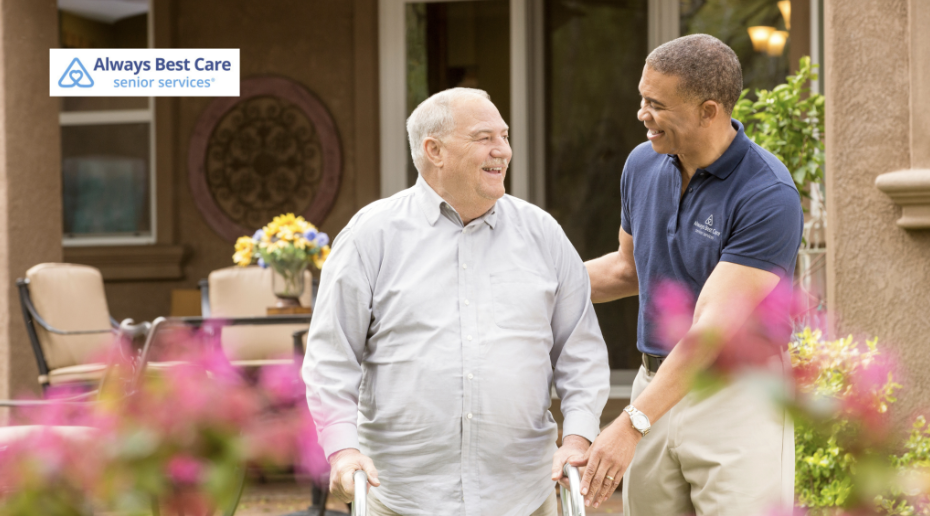
Edmonton winters are notoriously tough on our concrete. Between the freezing and thawing, walkways and patios can shift and crack, creating a literal obstacle course. Before your loved one heads out to tend to the garden, give the yard a solid walkthrough.
Keep an eye out for uneven paving stones or raised sidewalk sections that are just waiting to catch a toe. Clear out stray garden hoses, stray tools, and winter debris clogging up the pathways. While you’re at it, give the deck handrails a good shake to ensure they’re rock-solid, and replace any outdoor lightbulbs that didn’t survive the winter freeze.

4. Prepare for When the Skies Turn Angry
If you’ve lived in Alberta long enough, you know our summer afternoons can turn on a dime. One minute it’s blue skies, and the next, a massive thunderstorm is rolling through, threatening to knock out the power grid. For a senior relying on medical gear or temperature-regulated medications, a blackout is no joke.
Do yourself a favour and put together a sturdy emergency kit. Stash it somewhere easy to reach and fill it with:
- A few days’ supply of bottled water and easy, non-perishable snacks.
- Reliable flashlights with fresh batteries (skip the candles; they’re a fire hazard).
- A fully charged portable power bank for cell phones or backup medical devices.
- A printed paper list of doctors, family numbers, and critical health info.
5. Don’t Let Your Meds Cook
This one catches a lot of folks off guard. High temperatures can cause common medications to break down, rendering them completely useless or, worse, harmful. To top it off, pills like blood pressure prescriptions, diuretics, and antihistamines can make a person way more sensitive to heat stroke.
Take a quick look at where the pill bottles are currently sitting. If they are baking on a sunny bathroom counter, rescue them and find a cool, dry, dark cupboard instead. And never leave a prescription sitting in a hot car while running errands around town, even for a few minutes.

6. Trap the Summer Slips Indoors
Believe it or not, summer brings some unique indoor falling hazards. Tracking in puddles after a sudden afternoon downpour, walking inside with wet shoes from gardening, or navigating changing footwear styles can easily lead to a slip.
To keep everyone firmly on their feet, place heavy-duty, non-slip mats at every single entrance. Keep the hallways completely bare of shoes, umbrellas, and bags. Most importantly, encourage your loved one to ditch the flimsy flip-flops or slick socks indoors, opting for a supportive, closed-toe house shoe with a reliable rubber grip instead.

Edmonton Senior Summer Safety FAQs
Q: What temperature is considered dangerous for seniors indoors? A: When indoor spaces climb past 27°C, it can become quite dangerous for older adults, especially those managing heart disease, respiratory issues, or diabetes. Ideally, you want to keep the home thermostat set comfortably between 20°C and 24°C during the peak summer months to keep their bodies out of the stress zone.
Q: What are the early warning signs of heat exhaustion? A: Keep a close eye out for heavy sweating, cool or clammy skin, sudden dizziness, headache, nausea, a weak pulse, or muscle cramps. If you notice these signs, act fast: move them to a cool or air-conditioned area, offer water or an electrolyte drink, and apply damp, cool cloths to their skin. If they seem confused, lethargic, or lose consciousness, call 911 immediately, as this indicates heat stroke.
Q: How much water should an older adult drink daily during an Alberta summer? A: As a general rule of thumb, aiming for 6 to 8 cups (1.5 to 2 litres) of water per day is an excellent baseline. However, because certain heart or kidney conditions require restricted fluid intake, it is always a good idea to check in with their Edmonton family doctor to get an exact, safe daily target.
Q: Where can seniors go in Edmonton if their home gets too hot? A: If a home lacks air conditioning during an extreme heat warning, Edmonton has plenty of air-conditioned safe havens. Local Edmonton Public Library (EPL) branches, major shopping centres, and neighborhood senior centers (like the Central Lions Senior Centre or Mill Woods Seniors Association) make fantastic, cool places to relax and escape the midday heat.
Q: Is it safe for seniors to exercise outdoors during the summer? A: Absolutely! Staying active is wonderful for mobility and mental health; you just have to outsmart the Alberta sun. Encourage them to stick to the cooler morning hours (before 11:00 AM) or late evenings. Remind them to stick to shaded paths—like those in our beautiful river valley—wear lightweight, light-colored clothing, apply a generous amount of sunscreen, and always carry a fresh bottle of water.
How Always Best Care of Edmonton Can Lend a Hand
Let’s be completely honest: keeping tabs on a massive home safety checklist can feel incredibly overwhelming, especially if you live across town or out of province. You don’t have to do it alone.
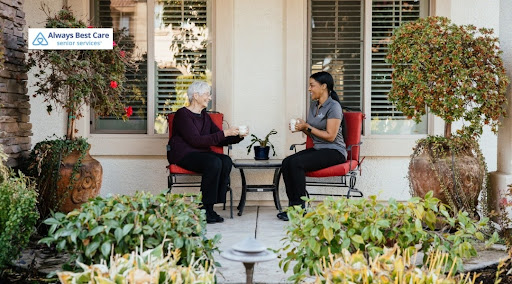
Always Best Care of Edmonton provides compassionate, local care right in the comfort of home. Our incredible team can step in to handle home safety walk-throughs, light housekeeping, nutritious meal prep, and daily hydration reminders. We can also provide reliable rides to appointments at the clinic or grocery store, keep an eye on medication schedules, and offer friendly companionship so your loved one never feels isolated during a heat wave.
With the right team in their corner, seniors can safely lean into everything an Edmonton summer has to offer worry-free.
Contact Always Best Care of Edmonton at 587-741-8357 to learn more and schedule your consultation.