

Understanding Dementia Care Options for Kitchener Families: In-Home Care Versus Memory Care Accommodations
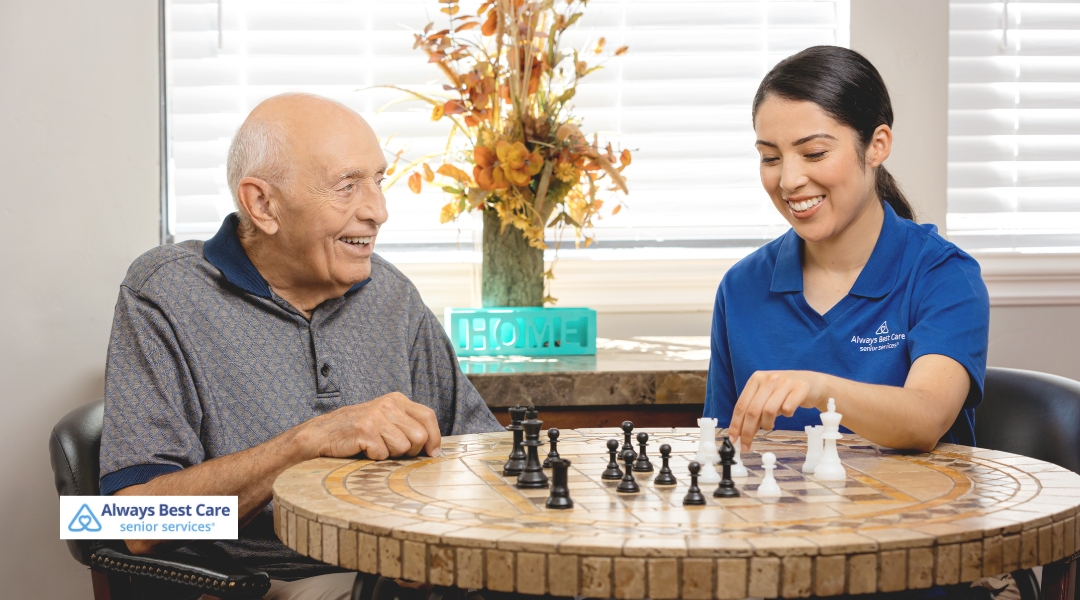
When dementia enters your family’s story, you’re suddenly faced with one of the toughest decisions imaginable: should your loved one stay home with professional support, or would they be safer in a specialized memory care accommodation?
In-home care vs. memory care accommodations isn’t just about comparing costs or convenience. It’s about finding the path that honours your loved one’s dignity while giving your whole family peace of mind.
Table of Contents
In-Home Care: The Comfort of Familiar Surroundings
In-home care allows your loved one to stay in their own space while receiving the professional help they need. It’s like having a guardian angel who knows exactly how Dad likes his eggs or remembers that Mom’s favourite song always calms her down. The caregiver becomes part of the family fabric, learning quirks and preferences that make all the difference.
Family caregivers often find themselves juggling work, kids, and caregiving responsibilities that can feel overwhelming. The stress can be downright crushing, with studies showing that dementia caregivers face double the emotional strain compared to other types of caregiving.
Memory Care Accommodations: Specialized Support Around the Clock
Memory care accommodations are specialized communities designed specifically for people with Alzheimer’s or other forms of dementia. They’re purpose-built with security features, trained staff, and programs tailored to memory challenges.
The perks are compelling: 24/7 supervision, structured activities that stimulate cognitive function, and social interaction with peers facing similar journeys. Plus, there’s that peace of mind knowing trained professionals are always on hand if things go sideways.
The Heart of the Matter: What Really Counts?
Safety First
At home, you’re dealing with potential hazards like stairs, kitchen appliances, and the very real risk of wandering. Memory care accommodations address these concerns head-on with locked doors, monitored environments, and staff trained to handle dementia-related behaviours.
However, home safety can be significantly improved with the right modifications and the assistance of professional caregivers who are knowledgeable about potential hazards. It’s really about creating the safest possible environment, whether that’s at home or in a memory care accommodation.

The Social Connection Dilemma
Memory care accommodations offer built-in socialization, featuring dining rooms filled with peers, group activities, and constant interaction. However, the one-on-one attention provided through in-home care fosters deeper, more meaningful connections.
Your loved one’s personality plays a huge role here. Are they naturally social butterflies who thrive in group settings, or do they prefer quieter, more intimate interactions?
Let’s Talk Money
In-Home Care Costs: More Flexible
In-home dementia care typically runs between $38 and $45 per hour, depending on your location and the caregiver’s qualifications. For part-time care (20-30 hours weekly), you’re looking at roughly $3,300-$5,800 monthly. Full-time care (more than 30 hours/week)? That jumps to $6,600-$9,700 per month.
The beauty of in-home care is its flexibility. You can start with just a few hours and adjust as needs change.
Memory Care Accommodation Pricing: Comprehensive but Pricey
In the Kitchener-Waterloo area, families can expect to invest between $8,000 and $10,000 monthly for round-the-clock memory care accommodations.
These costs cover everything from meals and housing to 24-hour care, activities, and specialized programming, all rolled into one package.
Making the Choice: In-Home Care Versus Memory Care Accommodations
When In-Home Care Makes Sense
Consider in-home care if:
- Your loved one is in the early to moderate stages of dementia.
- The home environment can be made reasonably safe.
- Your loved one strongly resists the idea of moving.
- Budget flexibility is important to you.
When Memory Care Accommodations Shine
Memory care might be the better choice when:
- Safety concerns at home become unmanageable.
- Your loved one needs 24/7 supervision.
- Behavioural challenges require specialized expertise.
- Social isolation at home is becoming problematic.

The Bottom Line: Trust Your Heart and Your Head
Choosing between in-home care and memory care accommodations is about finding what works best for your unique family situation at this time. Your loved one’s needs, your family’s capacity, financial resources, and emotional well-being all factor into this deeply personal decision.
Remember, there’s no universal “right” answer here. What matters most is ensuring your loved one receives compassionate, appropriate care while preserving family relationships and everyone’s well-being.
The journey with dementia is challenging, but you don’t have to walk it alone. Always Best Care of Kitchener-Waterloo‘s dementia care expert can help guide you through this decision, offering expertise, support, and understanding every step of the way. Give us a call at 519-900-3303 to schedule a complimentary consultation and discuss your family’s specific needs and explore the options available in your area.