Caring for a Wound at Home: When to Call a Skilled Nurse in Kitchener-Waterloo
Healing from a wound at home sounds simple enough: keep it clean, cover it up, and let the body do its work.
But for older adults, wound care is rarely that straightforward. Slower healing, chronic health conditions, and age-related skin changes can turn a minor injury into a serious medical concern faster than most families expect.
Knowing when to manage a wound at home and when to bring in a skilled nurse can make a real difference in how well and how quickly a senior recovers.
What You Will Learn:
- Why wounds can take longer to heal in older adults and what may slow down recovery.
- How to recognize signs that a wound may need attention from a skilled nurse.
- What skilled nursing wound care at home can include, from dressing changes to monitoring healing.
- Simple ways families can help prevent pressure injuries and support safer recovery at home.
Table of Contents
How Ageing Changes the Way Wounds Heal
Skin becomes thinner and more fragile with age, making it easier to tear and harder to repair. The outer layer loses moisture and elasticity, while blood flow to the skin decreases, both of which slow the healing process significantly.
Beyond the skin itself, several common conditions in older adults can complicate wound healing:
- Diabetes reduces circulation and nerve sensitivity, making it harder to detect and treat wounds early.
- Poor circulation limits the delivery of oxygen and nutrients that tissues need to repair.
- Limited mobility increases the risk of pressure injuries from prolonged time in one position.
- Weakened immune systems make infections more likely and harder to fight off.
Nutrition also plays a critical role. According to Dietitians of Canada, adequate protein, vitamin C, zinc, and hydration are all essential to tissue repair, and many older adults do not consistently meet these needs.
What Types of Wounds May Require Skilled Care?
Not every wound needs a nurse, but some injuries and conditions genuinely require professional assessment and ongoing treatment. Skilled wound care is commonly recommended for:
- Surgical incisions requiring continued monitoring.
- Pressure injuries or bedsores.
- Diabetic foot ulcers.
- Wounds related to poor circulation or venous insufficiency.
- Skin tears that are slow or difficult to heal.
- Burns or more significant injuries.
- Chronic wounds that have not improved as expected.
A physician or nurse practitioner can assess the wound, determine the appropriate level of care, and provide a treatment plan.
Warning Signs a Wound Needs Medical Attention
Some warning signs indicate that a wound is not healing properly and needs professional evaluation. Families should watch for:
- Increased redness, warmth, or swelling around the wound.
- Unusual drainage or discharge.
- A foul or unfamiliar odour.
- Changes in the wound’s size, colour, or depth.
- Fever, chills, or sudden confusion.
- A general decline in the senior’s health or energy.
Seniors with diabetes, compromised immune systems, or circulatory conditions are at higher risk and should be monitored closely. The Canadian Diabetes Association notes that foot wounds in people with diabetes can deteriorate quickly and should never be left unassessed.
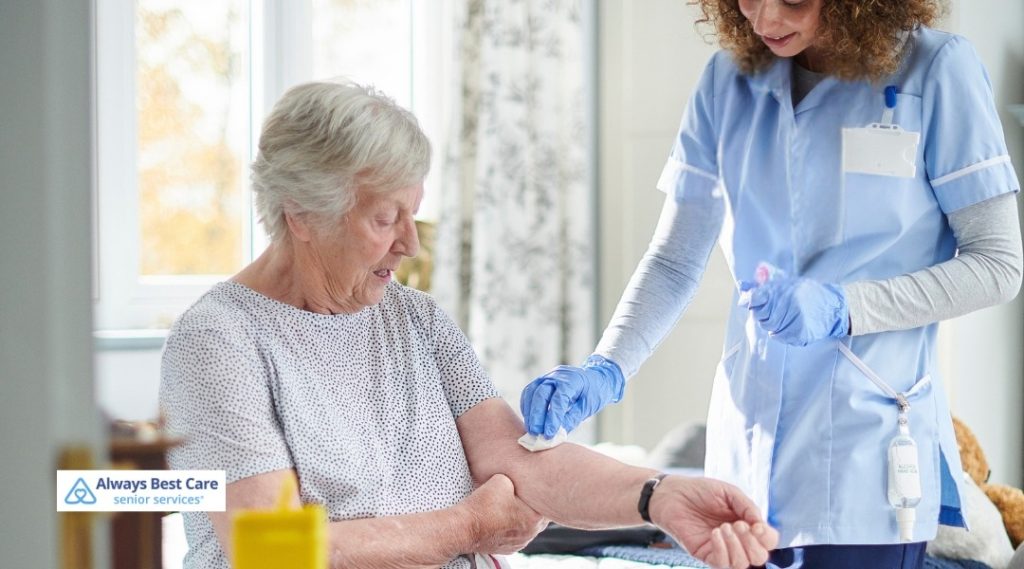
What Does a Home Health Nurse in Kitchener-Waterloo Do for Wound Care?
When skilled nursing is part of a senior’s home health plan, a registered nurse provides medical care in the home based on the physician’s orders and the individual’s treatment plan. Depending on the wound type and severity, skilled nursing support may include:
- Assessing the wound and tracking healing progress.
- Cleaning the affected area using appropriate techniques.
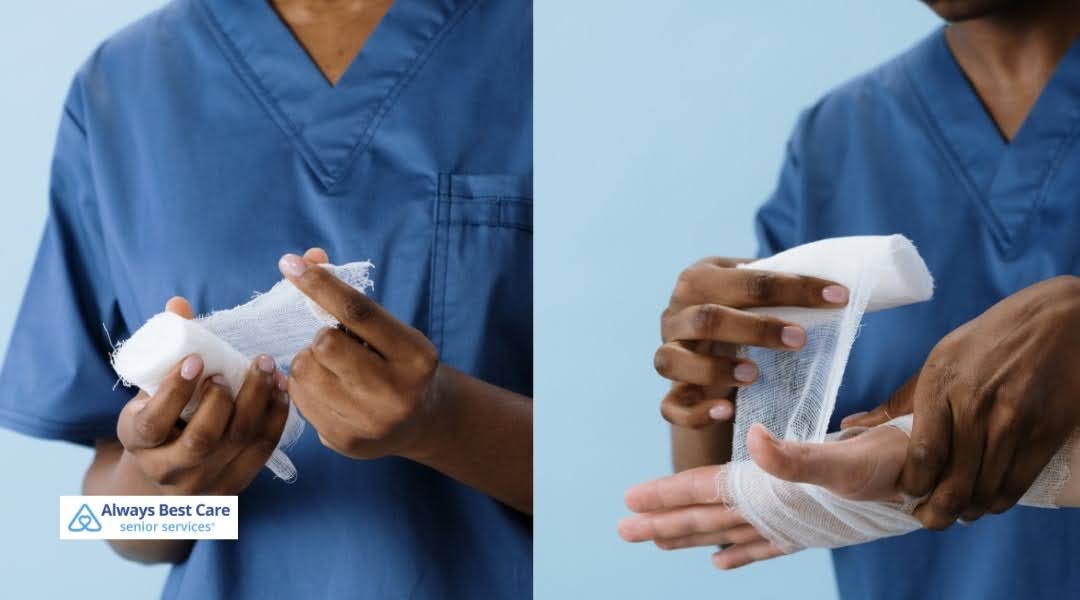
- Applying and changing dressings.
- Monitoring for signs of infection or complications.
- Educating the senior and family members on wound care between visits.
- Communicating updates and concerns to the broader healthcare team.
A nurse can also help families understand what to watch for and when to seek additional medical attention, which is especially valuable after a hospital stay, surgery, or rehabilitation discharge.
Preventing Pressure Injuries at Home
For seniors with limited mobility, injury prevention is just as important as treatment. Prolonged pressure on bony areas, such as the heels, hips, tailbone, and elbows, can lead to skin breakdown and pressure injuries.
The healthcare team may recommend:
- Repositioning regularly throughout the day.
- Keeping skin clean, dry, and moisturized.
- Using pressure-relieving mattresses, cushions, or heel protectors.
- Ensuring adequate nutrition and fluid intake.
Health Canada recognizes pressure injuries as a significant patient safety concern, particularly for older adults receiving care at home or in long-term settings.
Home Health and Home Care Can Work Together
Skilled nursing addresses the medical side of wound care, but seniors recovering from wounds often need support with everyday tasks as well. A home caregiver can assist with:
- Meal preparation and hydration support.
- Personal hygiene and bathing.
- Light housekeeping.
- Mobility and transfers.
- Medication reminders.
- Observing and reporting changes to family or the care team.
When home health and home care work together, seniors receive both the clinical support they need and the day-to-day assistance that makes recovery more manageable.
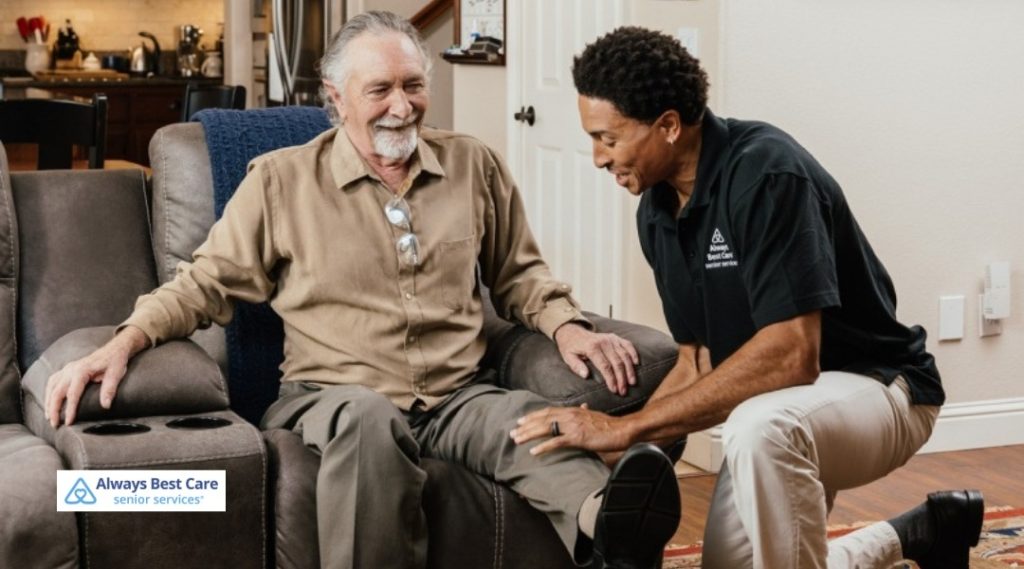
Supporting Safer Healing at Home
Complex wound care does not have to fall entirely on families. Skilled home health professionals can bring clinical expertise directly to the senior’s home, reducing the need for repeated clinic or hospital visits.
Always Best Care of Kitchener-Waterloo offers services to help older adults stay safe and well-supported at home. Depending on your loved one’s needs and what is available in your area, services may include skilled nursing and home caregiving to support recovery and daily living.
If your loved one is healing from a wound, recovering from surgery, or managing a chronic condition that requires extra support at home, contact Always Best Care of Kitchener-Waterloo at 519-279-6475 to schedule a care consultation and learn more about your options.
Frequently Asked Questions
Q: When should I call a nurse instead of treating a wound at home?
A: If a wound is not improving after a few days, shows signs of infection (redness, swelling, drainage, or odour), or if your loved one has diabetes or poor circulation, it is best to consult a healthcare provider. A skilled nurse can assess the wound and recommend the appropriate next steps.
Q: Can a nurse really come to our home in Kitchener-Waterloo to treat a wound?
A: Yes. Skilled home health nurses can provide professional wound care in the home, including assessment, dressing changes, infection monitoring, and coordination with the rest of the healthcare team.
Q: How often will a nurse need to visit?
A: Visit frequency depends on the type and severity of the wound, as well as the physician’s orders. Some wounds require daily visits; others may need care a few times per week. The care plan is tailored to the individual.
Q: What can a home caregiver do to support wound healing?
A: While caregivers do not perform medical procedures, they play an important supporting role. They can help with meals, hydration, personal care, mobility, and medication reminders, all of which contribute to a better healing environment.
Sources
- Government of Canada – Wound Care and Skin Health in Older Adults
- Wounds Canada – Best Practice Recommendations for the Prevention and Management of Wounds
- Canadian Association of Wound Care – Wound Care Resources
- Diabetes Canada – Foot Care and Diabetic Ulcers
- National Pressure Injury Advisory Panel – Pressure Injury Staging and Prevention
- Cleveland Clinic – Why Wounds Heal More Slowly as You Age