Proactive Steps for Stroke Prevention Among Kitchener-Waterloo Seniors
Every year, thousands of older adults experience strokes that alter the course of their lives. The effects can be sudden and severe, affecting the ability to speak, move, think, and live independently. Yet research consistently shows that up to 80% of strokes are preventable. For seniors and their families, that statistic is both sobering and empowering.
Stroke prevention isn’t about a single dramatic change. It’s about building daily habits that protect the brain and cardiovascular system over time. For older adults in Kitchener-Waterloo, understanding the key risk factors and how to address them can make a profound difference in quality of life.
What you will learn:
- How managing your “big three” health markers (blood pressure, blood sugar, and cholesterol) serves as a powerful shield for your brain health.
- Simple and joyful ways to incorporate heart-healthy nutrition and gentle daily movement into your routine.
- Why recognizing early signs and managing heart rhythms like AFib can make a world of difference in staying safe and well.
- The wonderful ways that consistent daily support and caring companionship help you maintain these healthy habits with ease.
Table of Contents
Why Stroke Risk Rises with Age
Aging naturally affects the cardiovascular system. Blood vessels become less flexible, the heart works harder, and the cumulative effects of decades of lifestyle choices begin to show. But age alone doesn’t determine stroke risk; it’s the combination of age with conditions like high blood pressure, diabetes, atrial fibrillation, and high cholesterol that creates the greatest danger.
What makes stroke particularly concerning is how quickly it strikes. Symptoms can appear within seconds, leaving little time to react. That’s why prevention, not just response, must be the priority for seniors and their caregivers.
Control Blood Pressure: The Single Biggest Factor
High blood pressure is responsible for more strokes than any other risk factor. When arterial pressure remains consistently elevated, it gradually weakens arterial walls, making them vulnerable to rupture or blockage.
The challenge with high blood pressure is that it rarely causes noticeable symptoms. Many seniors live with dangerously elevated levels without knowing it.
Practical steps to manage blood pressure:
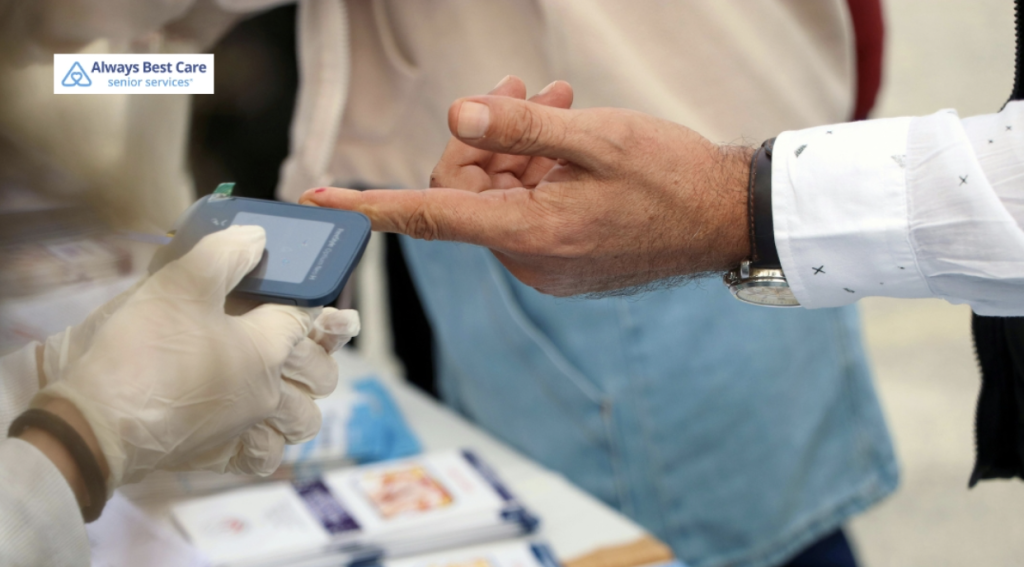
- Check blood pressure at home regularly using a reliable monitor.
- Take prescribed medications consistently.
- Cut back on sodium by reading food labels and cooking with herbs instead of salt.
- Limit alcohol consumption.
- Manage stress through relaxation techniques, social connection, or gentle movement.
- Maintain a healthy weight.
Partnering with a primary care physician to set a target blood pressure range and review it at every visit is one of the most effective things a senior can do.
Manage Diabetes with Precision
Diabetes doubles the risk of stroke. Chronically elevated blood sugar damages the inner lining of blood vessels, accelerates plaque buildup, and impairs circulation, all of which increase the likelihood of a stroke.
For seniors managing diabetes, consistency is everything. Skipping medications, eating irregularly, or neglecting blood sugar monitoring can create dangerous fluctuations that put the brain at risk.
Key strategies for diabetes management:
- Monitor blood glucose levels at the times your doctor recommends.
- Follow a structured meal plan that limits refined sugars and processed carbohydrates.
- Stay physically active.
- Attend regular endocrinology or primary care appointments.
- Understand the warning signs of both high and low blood sugar.
Effective diabetes management doesn’t just reduce stroke risk; it also protects kidney function, vision, and nerve health.
Address Cholesterol Before It Becomes a Problem
Cholesterol itself isn’t harmful; the body needs it. The problem arises when LDL (“bad”) cholesterol builds up in the walls of arteries, forming plaques that narrow blood vessels and restrict blood flow to the brain. If a plaque ruptures, it can trigger a clot that causes a stroke.
Many seniors are unaware of their cholesterol levels because high cholesterol has no symptoms. A simple blood test can reveal the full picture.
Ways to support healthy cholesterol:
- Prioritize fibre-rich foods: oats, legumes, fruits, and vegetables.
- Replace saturated fats (found in red meat and full-fat dairy) with unsaturated fats from olive oil, avocados, and nuts.
- Eat fatty fish like salmon or mackerel twice a week for heart-healthy omega-3 fatty acids.
- Follow prescribed statin or cholesterol-lowering medication regimens.
- Exercise regularly; physical activity raises HDL (“good”) cholesterol.
Move More, Every Day
Physical inactivity is one of the most modifiable stroke risk factors. Regular movement improves circulation, helps regulate blood pressure and blood sugar, supports a healthy weight, and reduces inflammation throughout the body.
The good news for seniors is that the bar for “enough” exercise is lower than most people think. Consistent, moderate activity delivers significant benefits.
Senior-friendly activities that support stroke prevention:
- Daily walks of 20–30 minutes at a comfortable pace.
- Chair-based stretching or strength exercises.
- Swimming or water aerobics (easy on the joints).
- Yoga or tai chi, which also improve balance and reduce fall risk.
- Gardening, dancing, or other enjoyable physical hobbies.
The key is consistency. A 20-minute walk every day is far more protective than an intense workout once a week.
Eat to Protect Your Brain
The connection between diet and stroke risk is well established. Diets high in sodium, saturated fat, and processed foods contribute to high blood pressure, high cholesterol, and weight gain, all major stroke risk factors. Conversely, a nutrient-dense diet actively protects blood vessels and brain function.
A brain-protective diet for seniors includes:
- Colourful fruits and vegetables at every meal (aim for variety, not just volume).
- Whole grains such as brown rice, quinoa, and whole wheat bread.
- Lean proteins, including fish, poultry, eggs, and legumes.
- Healthy fats from olive oil, nuts, seeds, and avocados.
- Minimal processed foods, fast food, and sugary beverages.
- Adequate hydration.
The Mediterranean and DASH diets are both well-researched approaches that align closely with these principles and are particularly well-suited for older adults.
Don’t Overlook Atrial Fibrillation
Atrial fibrillation (AFib) (an irregular heart rhythm) is a significant and often underdiagnosed stroke risk factor in seniors. AFib causes blood to pool in the heart, where it can form clots that travel to the brain.
Seniors with AFib are five times more likely to have a stroke than those without it. If you or a loved one experiences heart palpitations, shortness of breath, or unexplained fatigue, speak with a doctor promptly. AFib is manageable with medication and lifestyle changes, and treating it can dramatically reduce stroke risk.
The Role of Caregiving Support in Kitchener-Waterloo
For many seniors, the challenge isn’t knowing what to do; it’s doing it consistently, especially when managing multiple health conditions, living alone, or dealing with mobility limitations.
This is where in-home caregiving support makes a real difference. A caregiver can help bridge the gap between good intentions and consistent healthy habits.
Ways caregivers support stroke prevention:
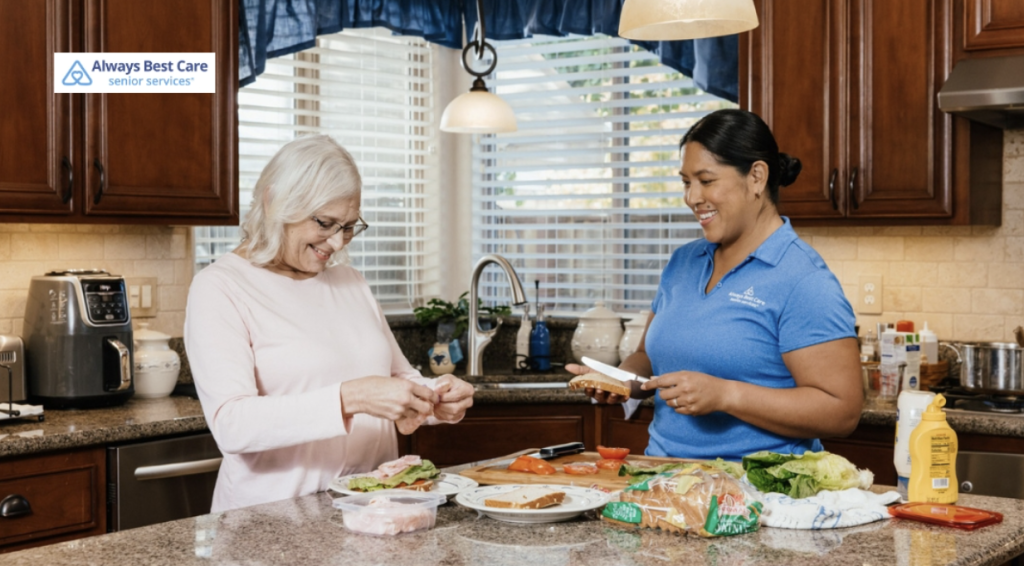
- Preparing nutritious, low-sodium meals tailored to dietary needs.
- Accompanying seniors on daily walks or exercise routines.
- Organizing and reminding about medications and doctor appointments.
- Monitoring for changes in health and flagging concerns early.
- Providing companionship that reduces stress and social isolation, both of which affect cardiovascular health.
Having reliable support at home helps seniors stay on track with the habits that matter most.
Helping Seniors Stay Healthy and Independent in Kitchener-Waterloo
Stroke prevention is a long-term commitment, but it doesn’t have to be an overwhelming one. With the right habits, medical management, and support system in place, seniors can significantly reduce their risk and continue living full, independent lives.
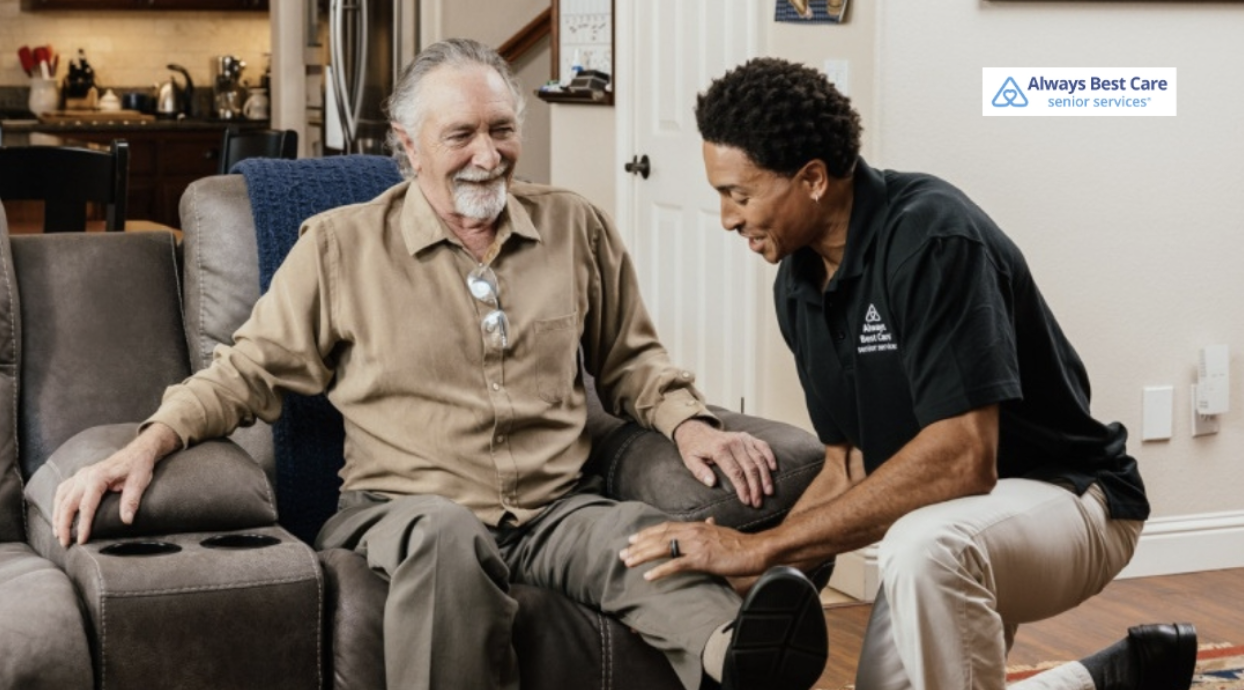
At Always Best Care of Kitchener-Waterloo, our caregivers are trained to support seniors in maintaining the routines that protect their health, from meal preparation and medication reminders to daily activity and health monitoring. We work alongside families to create a safe, supportive home environment where seniors can thrive.
Contact Always Best Care of Kitchener-Waterloo at (519) 900-3303 to schedule a care consultation and learn how we can help your loved one stay healthy, active, and independent.
Frequently Asked Questions
What is the most important thing seniors can do to prevent a stroke?
Controlling blood pressure is the single most impactful step. High blood pressure is the leading cause of stroke, and keeping it within a healthy range (through medication, diet, and lifestyle changes) significantly reduces risk. Regular monitoring and consistent medical care are essential.
What are the early warning signs of a stroke?
The most recognized warning signs can be remembered using the acronym FAST: Face drooping, Arm weakness, Speech difficulty, and Time to call 911. Other symptoms include sudden confusion, vision problems, severe headache, or loss of balance. If any of these occur, call emergency services immediately; every minute matters.
Can seniors who have already had a stroke reduce their risk of having another one?
Yes. In fact, stroke survivors are at higher risk for a second stroke, which makes prevention even more critical. Working closely with a neurologist or primary care physician, adhering to prescribed medications, and making lifestyle changes can substantially reduce the risk of recurrence.
How does diet affect stroke risk in older adults?
Diet directly influences blood pressure, cholesterol, blood sugar, and body weight, all of which are major stroke risk factors. A diet high in sodium, saturated fat, and processed foods increases risk, while a diet rich in fruits, vegetables, whole grains, and healthy fats helps protect cardiovascular and brain health.
Is it safe for seniors with health conditions to exercise?
In most cases, yes, but it’s important to consult a doctor before starting a new exercise routine. Low-impact activities like walking, swimming, and chair exercises are generally safe and highly beneficial for seniors managing conditions like high blood pressure, diabetes, or heart disease. The goal is consistent, moderate movement rather than intense exertion.
How can I help an aging parent reduce their stroke risk?
Start by encouraging regular medical checkups and helping them understand their key health numbers (blood pressure, blood sugar, cholesterol). Support healthy eating by preparing or planning nutritious meals together. Encourage daily movement and help them stay consistent with medications. If managing these routines becomes difficult, consider professional in-home caregiving support.
What role does stress play in stroke risk?
Chronic stress can raise blood pressure and contribute to unhealthy behaviours like poor diet, inactivity, and disrupted sleep, all of which increase stroke risk. Stress management strategies such as mindfulness, social connection, gentle exercise, and adequate rest are valuable components of a stroke prevention plan.