The Path Home: Comprehensive Stroke Support for Kitchener-Waterloo Residents

Returning home after a stroke is a significant milestone, but it is also the point where the real work begins. Hospital care stabilizes patients, and rehabilitation centers build early momentum, but the transition home introduces new challenges that require ongoing, personalized support.
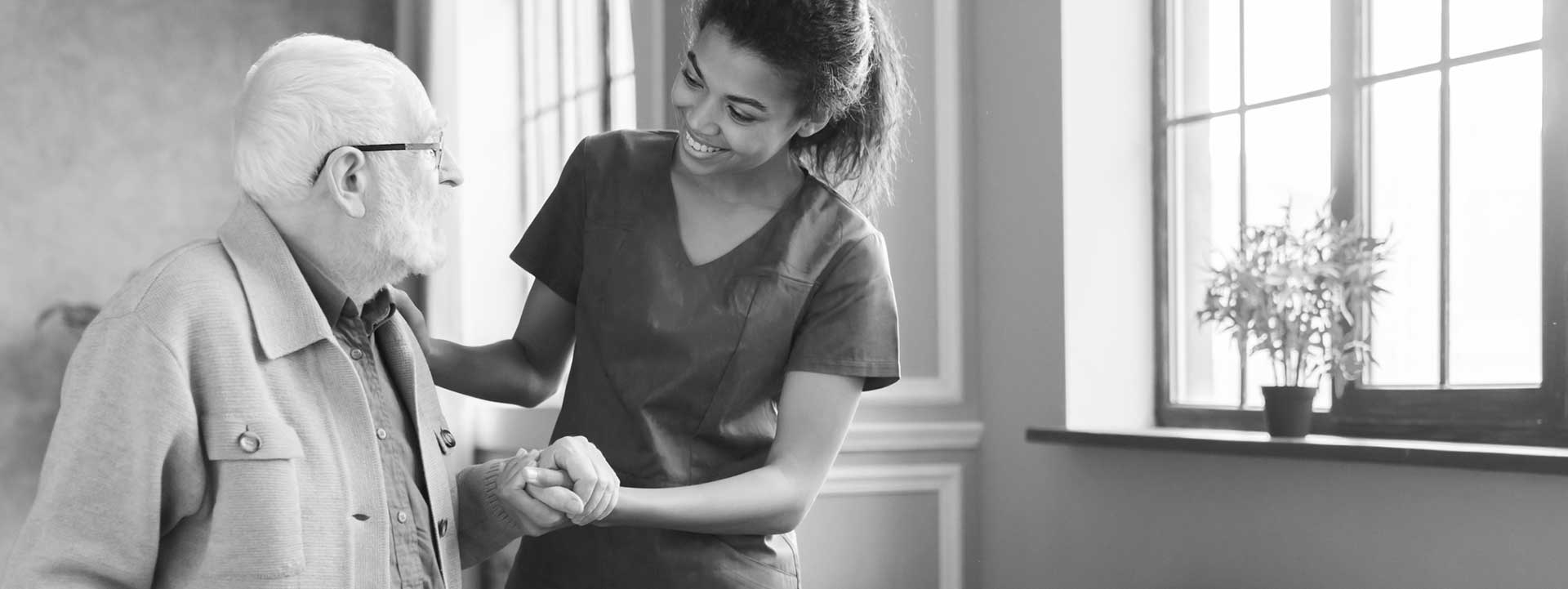
Home health services bridge that gap. By bringing skilled medical professionals directly into the home, stroke survivors in Kitchener-Waterloo can continue their recovery in a familiar environment, surrounded by the people and routines that matter most to them.
What you will learn:
- Why healing in a familiar environment helps survivors regain independence and provides families with true peace of mind.
- How skilled nurses and therapists work together to manage health, rebuild physical strength, and master the tasks of daily life.
- How consistent professional check-ins help catch complications early and keep the journey to wellness moving forward safely.
- The importance of emotional support and how coordinated care makes the transition from hospital to home a smooth and joyful experience.
Table of Contents
The Case for Home-Based Stroke Recovery
Stroke recovery is rarely linear. Progress can be slow, and setbacks are common, especially in the weeks immediately following discharge. For many seniors, the stress of travelling to outpatient appointments adds unnecessary strain to an already demanding process.
Home health removes that barrier. Care is delivered where the patient actually lives, allowing therapy and monitoring to be tailored to real-world conditions. A therapist working in your home can assess how you navigate your specific hallway, bathroom, or staircase, rather than in a generic clinical setting.
This approach also gives families greater peace of mind. Knowing that a qualified professional is regularly checking in, tracking progress, and flagging concerns early makes a meaningful difference for everyone involved.
Skilled Nursing: Medical Oversight at Home
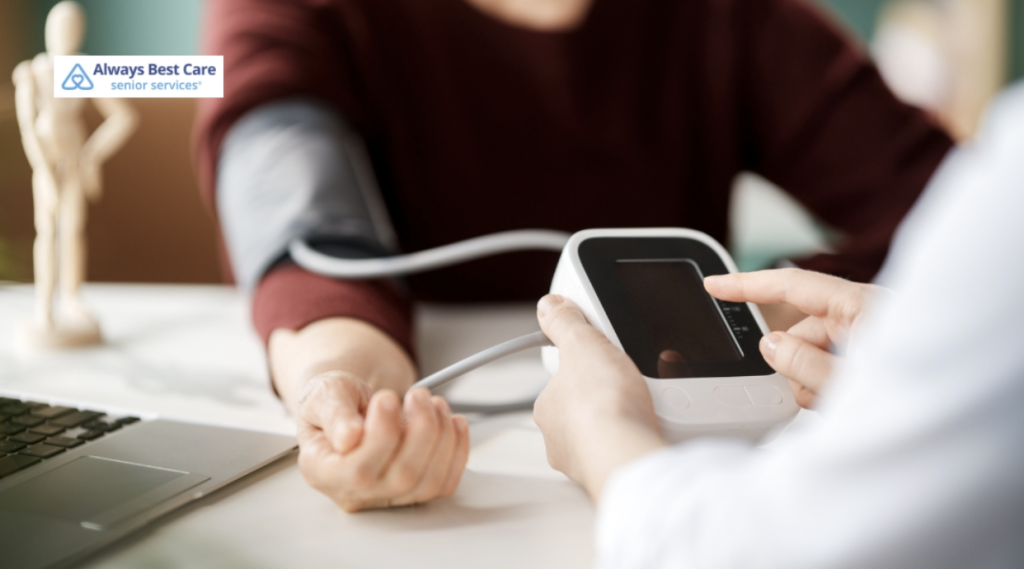
Skilled nursing is typically one of the first services introduced after a stroke. A licensed nurse provides the medical oversight needed to keep recovery on track and catch complications before they escalate.
Home health nurses assist with:
- Monitoring vital signs, including blood pressure and heart rate.
- Managing medications and ensuring correct dosing schedules.
- Watching for signs of a secondary stroke or other complications.
- Educating family members on care routines and warning signs.
- Coordinating with physicians and specialists to keep the care plan aligned.
Many stroke survivors also manage other chronic conditions, such as diabetes or heart disease. Skilled nurses integrate these into a unified care plan, reducing the risk of one condition undermining progress in another.

Physical Therapy: Rebuilding Strength and Movement
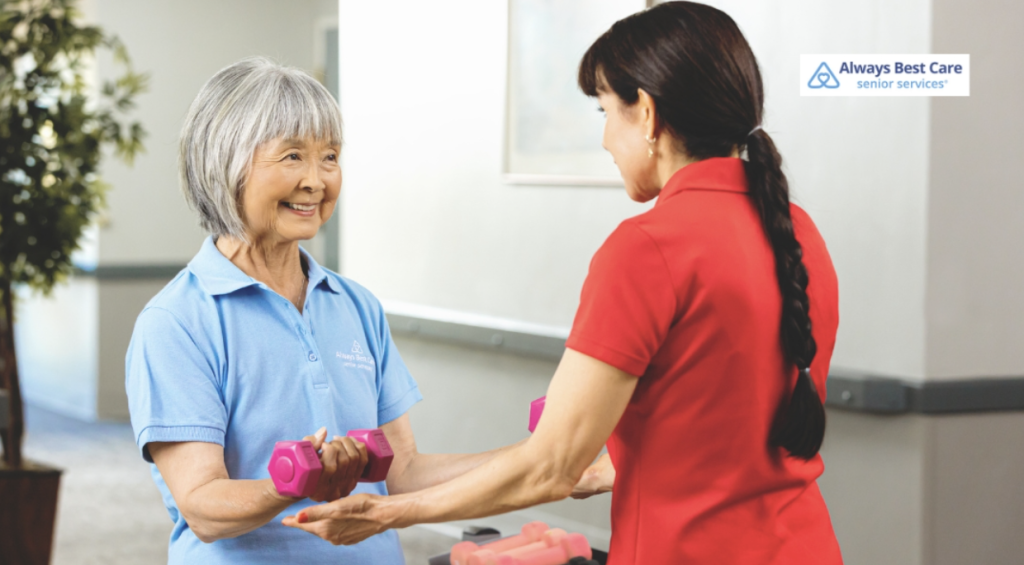
One of the most common effects of a stroke is weakness or partial paralysis on one side of the body. Physical therapy is essential for helping survivors rebuild the strength, coordination, and balance needed for safe, independent movement.
A home health physical therapist works with seniors to improve:
- Muscle strength and neuromuscular coordination.
- Balance and fall prevention.
- Walking ability and overall mobility.
- Range of motion in affected limbs.
Because therapy takes place at home, exercises are grounded in the patient’s actual environment. Therapists can work on navigating specific staircases, moving safely between rooms, or getting in and out of bed, practical skills that generic gym-based rehab often cannot replicate.
Occupational Therapy: Relearning Daily Life
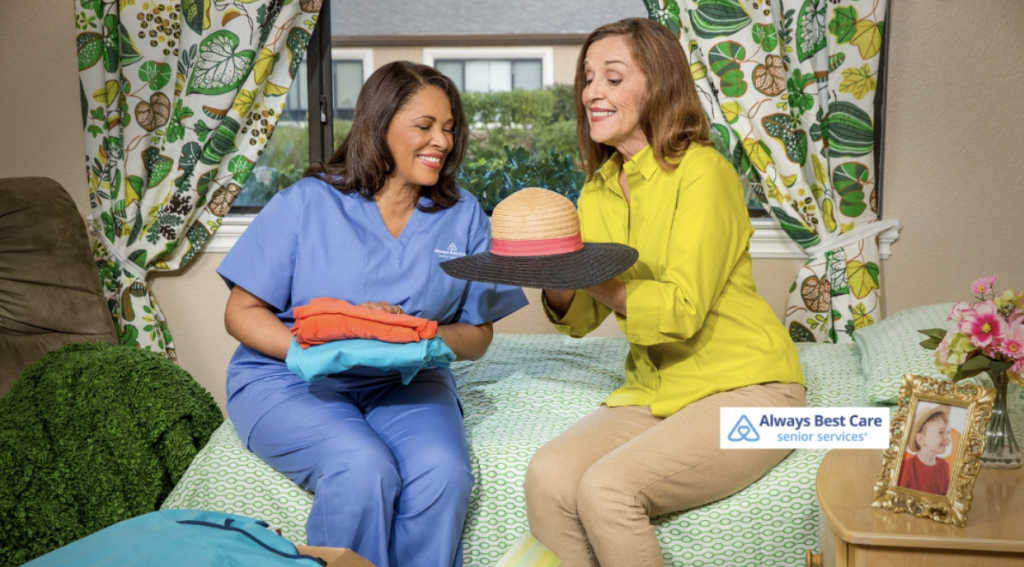
A stroke can make once-routine tasks feel overwhelming. Dressing, bathing, preparing a meal, or writing a grocery list may suddenly require significant effort or entirely new approaches.
Occupational therapists help stroke survivors rebuild these skills systematically, using adaptive techniques and tools that restore confidence alongside function.
Occupational therapy may include:
- Practicing safe bathing, grooming, and dressing routines.
- Developing new strategies for household tasks.
- Improving fine motor skills and hand-eye coordination.
- Recommending assistive devices suited to the individual’s needs.
- Modifying the home environment to reduce hazards and increase accessibility.
The goal is not just physical recovery; it is helping seniors feel capable and in control of their own lives again.
Ongoing Monitoring: Catching Problems Early
Stroke recovery requires consistent observation. Subtle changes in speech, movement, or cognition can signal complications that, if caught early, are far more manageable.
Home health teams monitor for warning signs, including:
- Sudden changes in speech or comprehension.
- Increased weakness or new balance issues.
- Unusual fatigue or episodes of confusion.
- Any indicators of a secondary stroke or cardiovascular event.
Regular monitoring reduces the likelihood of hospital readmission and helps ensure that the recovery trajectory stays on course. It also provides a documented record of progress that physicians can use to adjust care plans as needed.

Emotional Wellbeing: An Overlooked Priority
The emotional impact of a stroke is often underestimated. Depression, anxiety, and frustration are common among survivors, particularly as they adjust to new physical limitations and changes in independence.
Consistent human connection (through caregivers, therapists, and family) plays a meaningful role in emotional recovery. Feeling supported and understood reduces isolation and helps sustain the motivation needed for long-term progress.
How Always Best Care of Kitchener-Waterloo Helps
At Always Best Care of Kitchener-Waterloo, we coordinate skilled nursing, physical therapy, occupational therapy, and personal caregiving into a single, cohesive support system. Our team works directly with physicians and family members to build care plans that reflect each individual’s goals and circumstances.
Beyond clinical care, our caregivers assist with daily activities, transportation to appointments, meal preparation, and companionship, ensuring that no aspect of recovery is left unaddressed.
Contact Always Best Care of Kitchener-Waterloo at (519) 900-3303 to schedule a care consultation and learn how home health services can support your loved one’s stroke recovery.
Frequently Asked Questions
Q: When should home health services begin after a stroke?
A: Ideally, home health services should begin as soon as a stroke survivor is discharged from the hospital or rehabilitation facility. Early intervention helps maintain the momentum built during inpatient care and reduces the risk of regression.
Q: What is the difference between home health and home care?
A: Home health refers to medically supervised services provided by licensed professionals, such as nurses, physical therapists, and occupational therapists. Home care typically refers to non-medical support, such as help with daily activities, meal preparation, and companionship. Many families benefit from working together.
Q: How long does home health support typically last after a stroke?
A: The duration varies depending on the stroke’s severity and the individual’s rate of recovery. Some patients require a few weeks of skilled nursing and therapy, while others benefit from ongoing support for several months. Care plans are regularly reviewed and adjusted based on progress.
Q: Can home health services help prevent a second stroke?
A: While no service can guarantee prevention, skilled nurses monitor key health indicators, such as blood pressure, medication adherence, and signs of cardiovascular stress, that are directly linked to secondary stroke risk. Early detection and consistent management significantly reduce that risk.
Q: How do I know if my loved one qualifies for home health services?
A: Eligibility is typically determined by a physician’s referral and an assessment of the individual’s medical needs. A care coordinator can help guide families through the process and identify the right combination of services.
Q: Does Always Best Care of Kitchener-Waterloo work with other members of the care team?
A: Yes. Our team collaborates closely with physicians, hospital discharge planners, and rehabilitation specialists to ensure continuity of care. Communication across the care team is a core part of how we operate.