

Hearing Loss Isn’t the End: How to Chat With Loved Ones Compassionately

Hearing loss often develops gradually as we age. It’s more common than misplaced keys or burnt toast! Yet, it remains a hush-hush topic at family gatherings. If you’ve found yourself repeating sentences or turning up the TV volume police around your senior loved one, it might be time to broach that delicate subject: hearing health.
At Always Best Care of Calgary NW, we understand that those first conversations can be more challenging than assembling flat-pack furniture without instructions. But talking openly about hearing loss doesn’t have to feel awkward or accusatory—with some care and compassion, you can turn this tough talk into an opportunity for connection.
What you will learn:
- How to recognize the early signs of hearing loss in aging loved ones and why it matters.
- Compassionate ways to start a conversation about hearing health without causing embarrassment or defensiveness.
- Helpful tips for encouraging action, reducing stigma, and supporting your loved one through the next steps.
- How in-home caregivers, like those at Always Best Care of Calgary NW, can offer extra support for seniors with hearing challenges.
Table of Contents
Recognizing the Signs of Hearing Loss
Not sure if your loved one is struggling with their ears? Here are some tell-tale signs:
- Difficulty following conversations, especially in groups.
- Frequently asking folks to repeat themselves.
- Turning up the TV or radio louder than usual.
- Complaints that others “mumble all the time.”
- Pulling away from social activities.
- Responding out of place because they misheard something.
If any of these ring a bell (pun intended), it could be time for a heart-to-heart.

Starting the Conversation About Hearing Loss
It isn’t just what you say—it’s how and when you say it. Don’t drop this bombshell during Sunday dinner or right after another missed punchline! Pick a calm moment where nobody feels rushed.
Here’s what works wonders:
Lead with “I” statements
Rather than sounding like an accuser (“You never listen!”), try:
“I’ve noticed phone calls seem harder lately—do you find it tough to hear sometimes?”
Be supportive, not bossy
Frame things around their well-being:
“I worry you’re missing out on our family stories.”
Keep in mind:
- Avoid blaming or shaming; empathy extends beyond critique. Expect feelings—some embarrassment is natural.
- -Stay positive about solutions (today’s hearing aids are far less clunky!).
Busting Myths & Reducing Stigma
Many seniors fear that admitting hearing trouble means losing independence, or they dread looking “old” in public. We get it; nobody wants another thing on their plate.
But here’s the deal:
- Needing help with hearing is no different from needing reading glasses.
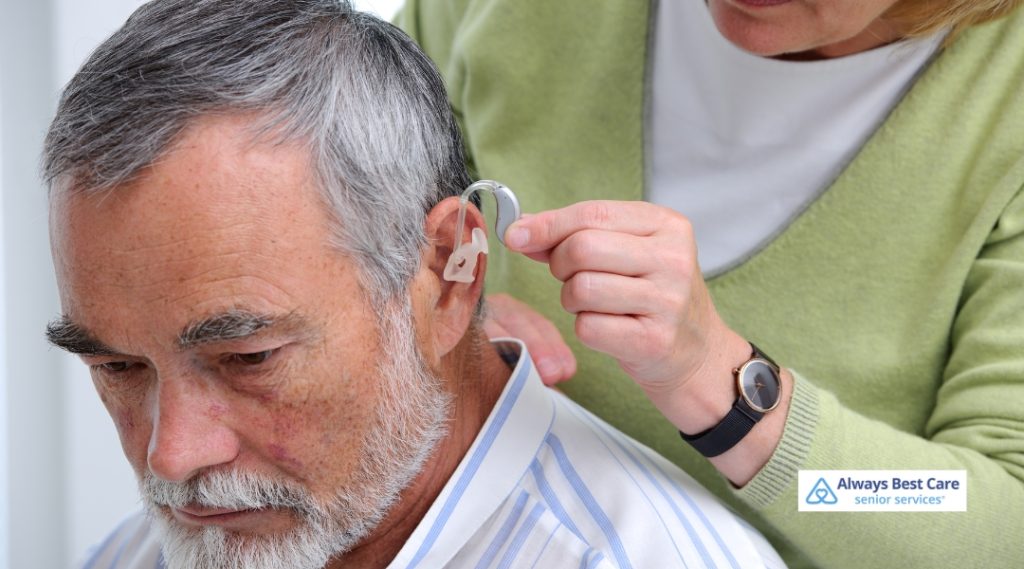
- Modern aids are tiny—you’d need eagle eyes to spot them!
Taking action now keeps people socially active and safer at home.
Remind your loved one gently that handling hearing issues means more freedom, not less!
Encouraging Action Without Nagging
So what’s next? Try these gentle nudges:
- Suggest scheduling a checkup with their doctor or audiologist.
- Offer company at appointments—they might appreciate backup!
- Give them breathing room if they hesitate; change takes time.
Most importantly: keep listening as much as talking—nobody likes feeling railroaded.

How Always Best Care of Calgary NW Supports Hearing Health
We don’t just talk—we do! Our caregivers are trained to pick up on communication changes so nothing gets lost in translation at home.
We help by:
- Making sure important instructions aren’t missed due to poor hearing.
- Keeping everyone engaged during visits—no wallflowers here!
- Reminding folks about appointments (and driving them there).
- Offering encouragement as new devices become part of daily life.
When things get tricky, having us around can turn frustration into laughter instead.
Bullet Points – Why Address Hearing Loss Early?
Addressing possible hearing issues early helps by:
- Preventing isolation due to missed conversations.
- Improving safety (so alarms and doorbells don’t go unheard).
- Boosting confidence at family events and outings.
Don’t wait until someone feels left out!

FAQ About Talking to Loved Ones Regarding Hearing Loss
Q: How do I know if my parent really has hearing loss?
A: Look for repeated requests for repetition, loud TV volumes, confusion during group chats, or trust your gut!
Q: What if my loved one gets defensive when I bring up hearing loss topics?
A: Stay calm! Use personal observations (“I noticed…”) rather than accusations, and circle back later if emotions run high.
Q: Isn’t wearing a hearing aid embarrassing? Won’t people notice?
A: Today’s devices are discreet—a world away from bulky models years ago!
Q: Should I encourage my parent to see an audiologist right away?
A: Encourage but never force; suggest going together for support, but give space for decision-making.
Talking about potential hearing loss struggles doesn’t have to create distance between us and our aging relatives—in fact, honest chats often bring families closer together over shared laughs (and fewer misunderstood jokes). At Always Best Care of Calgary NW, we’re ready whenever your household needs extra ears—and understanding hearts—to tackle life’s changes side by side.
If keeping your senior connected sounds good but overwhelming alone, why not call Always Best Care of Calgary NW today? Together we’ll make sure every voice—and every story—is heard loud and clear.
Open the Door to Better Hearing and Deeper Connection
Starting the conversation about hearing loss may feel uncomfortable, but it’s one of the most loving things you can do. By approaching it with compassion, patience, and a focus on your loved one’s well-being, you’re paving the way for stronger relationships and a richer quality of life. If you’re unsure how to begin or need extra support at home, Always Best Care of Calgary NW is here to help every step of the way. Let’s make sure no story goes unheard—call us today to learn more.
Contact Always Best Care of Calgary NW at (403) 812-0778 to learn more and schedule your free consultation.