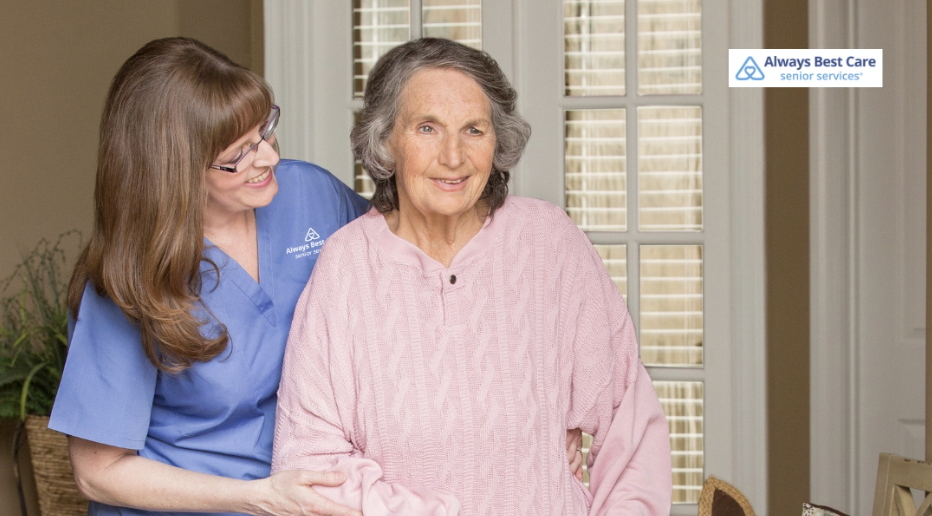

Fall Prevention: Essential Home Safety Modifications for Calgary Seniors

Navigating home safety for NW Calgary seniors is about more than avoiding accidents; it’s about peace of mind, confidence, and continued independence.
This guide offers actionable steps and professional resources from Always Best Care of Calgary NW to help families create a safer home this season.
Table of Contents
Step 1: Assess the Home and Identify Risks
The first step in any effective fall prevention plan is a thorough, objective review of the living space. What seems normal to a resident may be a significant hazard to someone with reduced balance or vision.
- Schedule a free in-home safety assessment to spotlight hazards like loose rugs, poor lighting, or missing grab bars. Many local home care agencies offer this service at no cost.
- Review the latest tips on stairs and home modification. Focus on areas with changing elevations, such as thresholds between rooms and steps leading into the garage or basement.
- Engage your loved one in a home walk-through, clear clutter, secure railings, and organize essentials. Make it a team effort to encourage cooperation.
Key Areas to Scrutinize During Your Walk-Through
| Home Area | Potential Hazard | Recommended Action |
| Living Room/Hallways | Loose/thick area rugs; electrical cords across paths. | Use double-sided tape or remove rugs entirely. Use cord covers along baseboards. |
| Stairs | Handrails on only one side; dark treads; clutter. | Install a strong handrail on both sides. Use bright, non-slip strips on treads. |
| Bedroom | Low bed height; nightstand too far away; poor lighting for midnight trips. | Adjust bed height for easy on/off. Install automatic nightlights between the bed and the bathroom. |
| Entryway (Critical in Calgary) | Ice/snow accumulation; wet floor inside; high threshold. | Keep entry well-lit and immediately salted/shovelled. Place a non-slip rubber mat inside the door. |
Step 2: Upgrade for Safety and Simplicity
- Install grab bars and non-slip mats in bathrooms and stairways. Ensure all grab bars are professionally installed into wall studs, as suction-cup models are unreliable and dangerous.
- Boost lighting in all walkways and entry areas. Switching to brighter, higher-wattage LED bulbs is an inexpensive and effective upgrade. Consider motion-activated lights for closets and pantries.
- Keep medicines and emergency numbers accessible. Place emergency contacts, a phone, and a flashlight near the bed.
- Ask about mobility and companion care services for extra daily support. Even short, weekly check-ins can ensure safety devices are working, pathways are clear, and daily needs are met.
Essential Home Modifications Checklist
- Bathroom: Mount grab bars near the toilet and inside the tub/shower. Use a non-slip bath mat with suction cups. Consider a shower chair.
- Stairs: Add a contrasting colour strip to the edge of each step (tread) to improve visibility. Ensure light switches are at both the top and bottom.
- Kitchen: Reorganize cupboards so that heavy and frequently used items are between waist and chest level. Use a stable, high-backed step stool (if needed) rather than chairs.
- Floors: Secure or remove any throw rugs. Tack down or reroute electrical cords.
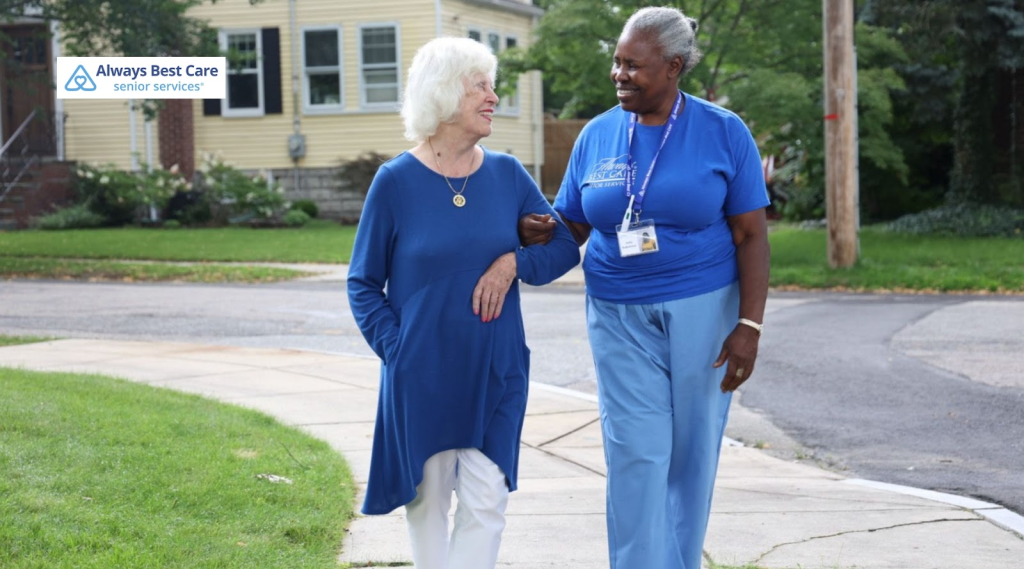
Step 3: Foster Emotional Well-being
Transitioning to a safer home environment is easier when seniors feel involved and respected. Fall prevention is about more than just physical changes; it’s about maintaining dignity and connection.
- Involve your loved one in decisions, arranging personal items, adjusting routines, or even selecting music and photos that provide comfort. Avoid making sudden, drastic changes without consultation.
- Explain the “Why”: Rather than stating, “I’m worried you’ll fall,” frame changes as, “We’re making the house easier and more comfortable for you.”
- Encourage friendly visits, video calls, and social engagement to help prevent isolation. Loneliness can lead to depression, which negatively impacts motivation, activity level, and fall risk.
Simple Steps to Boost Engagement
- Technology Check: Set up easy-to-use tablets or voice assistants for video calls with distant family.
- Hobby Adaptation: Modify hobbies (e.g., using a lighter gardening tool, knitting with thicker needles) to keep them safe and accessible.
- Companionship: If family is far, arrange for a companion caregiver to provide social visits and safe outings to local Calgary parks or community centers.

Step 4: Stay Proactive with Health and Everyday Needs
Home modifications are only one part of the solution. Ongoing health monitoring and routine support services are critical for long-term fall prevention.
- Bring up fall risks with healthcare teams at every checkup. Ask the doctor or pharmacist to review all medications (prescription and over-the-counter) for side effects like dizziness or drowsiness.
- Use weekly pill organizers and safety routines to keep medications on track. Mismanagement of medication is a frequent contributor to disorientation and falls.
- Consider regular in-home safety visits or respite care for times when you need a helping hand. A caregiver can ensure all modifications are still in place and assist with high-risk activities like bathing or going up and down stairs.
Proactive Health Check List
| Area | Frequency | Why It Matters for Falls |
| Vision Exam | Annually | Uncorrected vision causes misjudgment of distance and height. |
| Footwear Check | Quarterly | Worn soles or ill-fitting shoes increase trip risk. |
| Strength/Balance Exercises | Daily | Regular activity improves reaction time and muscle strength. |
| Medication Review | Semi-Annually | Detects drug interactions that cause dizziness or confusion. |
Step 5: Take Care of Yourself and Accept Help
Caregiving is demanding. Ignoring your own needs can lead to exhaustion, stress, and eventual burnout, which negatively impacts the quality of care you can provide.
- Remember, caring for loved ones starts with caring for yourself. Schedule regular breaks. Maintain your own medical appointments, diet, and sleep habits.
- Tap into support and respite resources if you’re feeling overwhelmed. Respite care allows you to step away for a few hours or days with peace of mind, knowing your loved one is safe and professionally cared for.
- Join a caregiver support group for camaraderie and advice. Local groups in Calgary provide a space to share experiences and learn coping strategies from people who truly understand your challenges.
FAQ: Fall Prevention & Home Safety
Q: What home areas pose the highest fall risk for Calgary seniors?
A: Bathrooms, entrances, and stairs are most hazardous. Tips and fixes are covered in our fall prevention article.
Q: Does Always Best Care offer free home safety consultations?
A: Yes, schedule your complimentary assessment here or call 587-912-0329.
Q: What support is available for seniors who live alone?
A: Our local companion care helps provide check-ins, wellness support, and peace of mind.
Q: Can you help with medication reminders and mobility at home?
A: Absolutely. Our personalized in-home care services offer everything from daily living assistance to mobility support.
Q: Are fall prevention or in-home care services covered by Alberta programs?
A: It depends on your needs and eligibility. Learn more about client-directed home care options with our team.
Reach Out for Local Fall Prevention Support!
You don’t have to manage safety alone. Contact Always Best Care of Calgary NW or call 587-912-0329 to request a free home assessment, safety checklist, or a personalized care plan today.