

How to Support Loved Ones Facing Dementia During the Holidays

While everyone’s buzzing about festive cheer and family gatherings, those of us caring for someone with dementia know there’s a whole other layer to navigate.
But, with a little planning and a whole lot of heart, you can create meaningful, joyful moments that honour your loved one’s needs while keeping that holiday magic alive.
Table of Contents
Understanding What Your Loved One’s Going Through
There’s sensory overload everywhere you turn. Blinking lights, loud conversations, unfamiliar faces popping up left and right; it’s enough to make anyone’s head spin, right? For your loved one, though, these changes can trigger confusion, anxiety, or even agitation.
And here’s something many folks don’t realize: people with dementia often experience something called “sundowning,” where confusion and restlessness kick in during late afternoon or early evening.
So, that traditional evening feast you’ve been planning? It might actually be the worst time for them to participate comfortably.
The good news? Once you understand these challenges, you’re already halfway to creating a better experience for everyone involved.
Setting Realistic Expectations (Because Perfect Doesn’t Exist)
This year, it’s all about quality over quantity.
Maybe instead of hosting 30 people, you keep it intimate with just close family. Perhaps you skip the fancy five-course meal and go with simple, familiar dishes that your loved one recognizes and enjoys. The point isn’t to maintain traditions exactly as they were; it’s to adapt them so everyone can actually enjoy themselves.
Before holiday events kick off, have honest conversations with family and friends about what to expect. Something like: “Mom might not remember your name, but she still lights up when people engage with warmth and patience.”
Creating a Dementia-Friendly Environment During the Holidays
Now, let’s talk about setting the stage. Your home environment plays a huge role in your loved one’s comfort level during celebrations.
Keep Decorations Simple and Safe
Stick with simple, familiar items that evoke positive memories rather than confusion.
Avoid blinking lights or decorations that look like food (artificial fruit displays can be particularly confusing).
And definitely keep walkways clear to prevent tripping hazards.
Instead, involve your loved one in decorating! Simple tasks like hanging ornaments or arranging familiar holiday items can provide a wonderful sense of purpose and inclusion.
Minimize Sensory Overload
Create a calm, soothing atmosphere by playing gentle holiday music at a comfortable volume. Classic carols and familiar songs can trigger beautiful long-term memories, even when recent memories have faded. The scent of cinnamon cookies baking or pine from a Christmas tree? Those sensory experiences can work wonders in evoking pleasant holiday feelings.
And here’s a pro tip: set up a quiet retreat space. When things get too stimulating, your loved one needs somewhere peaceful to decompress. A quiet bedroom with familiar items, soft lighting, and maybe some calming music can be a lifesaver.
Planning Meaningful Activities Everyone Can Enjoy
So, what can you actually do together? Plenty, as it turns out!
Embrace Simplified Traditions
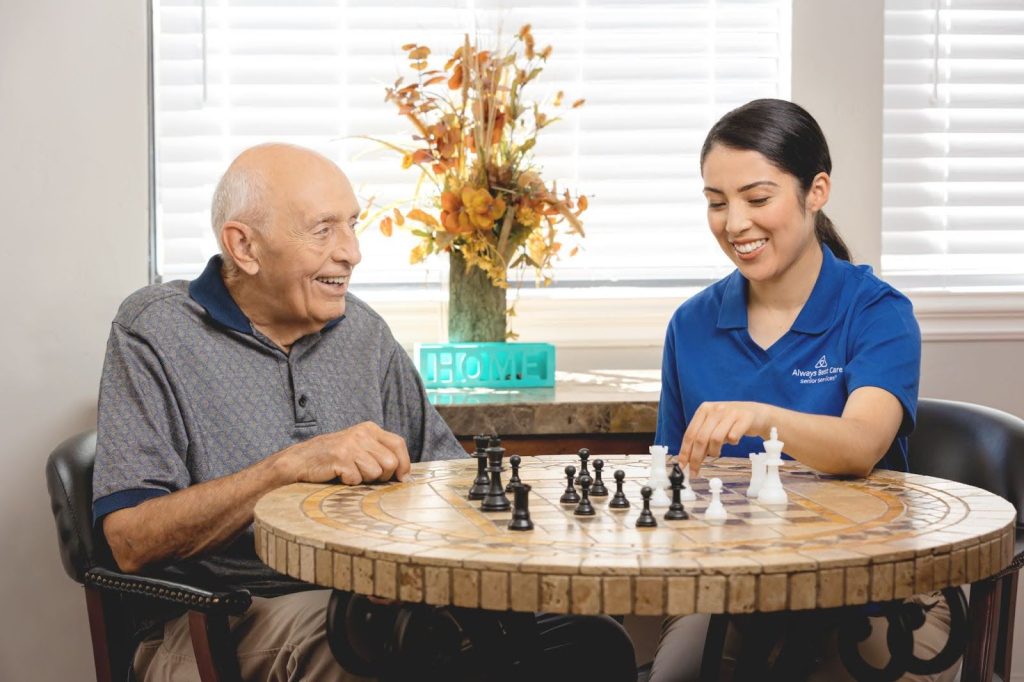
The key is adapting activities to match your loved one’s current abilities. If your family always baked dozens of cookies together, maybe this year they can help with just the decorating part. If storytelling used to be a tradition, let them share memories from their past, even if the details get a bit fuzzy; the emotional connection still matters.
Looking at old photo albums together can spark wonderful conversations. Music and sing-alongs with classic holiday carols often bring joy, even when other cognitive functions have declined. Simple crafts like making paper decorations or creating memory ornaments can keep hands busy and hearts happy.
Schedule Celebrations Wisely
Timing is everything.
Schedule gatherings during your loved one’s best time of day, usually earlier rather than later. A holiday brunch or early afternoon celebration might work much better than an evening dinner party. And keep visits shorter rather than marathon sessions. Better to end on a high note than push through to exhaustion.
Stick to your loved one’s regular routine as much as possible. If they usually nap at 2 PM, don’t schedule activities then. Consistency provides comfort and reduces anxiety.

Communication Tips That Actually Work
- Speak calmly and clearly, using short, simple sentences:
Give them plenty of time to process what you’ve said and respond; those pauses might feel long, but they’re necessary. Don’t rush to finish their sentences or assume what they mean. - Body language matters more than you might think:
Make eye contact, smile warmly, and use gentle touch, like holding hands. These non-verbal cues can communicate love and reassurance when words fall short. - Position yourself at eye level rather than standing over them.
Face them directly so they can see your facial expressions clearly. - Agree with their reality rather than trying to correct them.
If Grandma thinks it’s 1965 and she’s getting ready to cook dinner, just go with it. Correcting her won’t bring her back to your reality; it’ll just make her feel frustrated and confused.
Preparing Your Guests (Because They Need Guidance Too)
Share specific, actionable tips with visitors. Explain that your loved one might not recognize them, might repeat stories, or might need extra patience during conversations. Give them simple strategies: speak directly to the person, not about them as if they’re not there. Use touch appropriately. Don’t quiz them on memories they can’t recall.
Encourage guests to share their own stories and memories rather than asking your loved one to remember specific details. And remind everyone that even if your loved one doesn’t remember the visit later, the emotional experience of feeling loved and included still matters tremendously.
Give Yourself Permission to Ask for Help
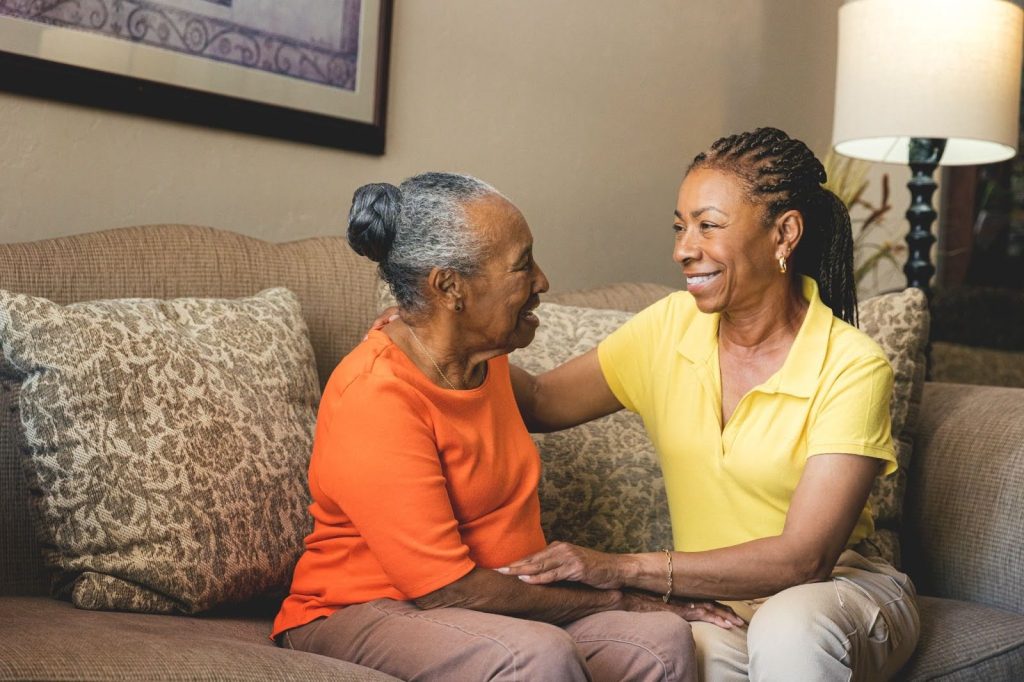
Consider using respite care services to give yourself a genuine break.
Whether it’s a few hours or a few days, stepping away to recharge isn’t selfish; it’s necessary.
We at Always Best Care of Calgary SW offer compassionate respite care services that can provide temporary relief while ensuring your loved one receives excellent care in your absence.
Frequently Asked Questions About Supporting Loved Ones Facing Dementia During the Holidays
Q: What time of day is best for holiday gatherings with someone who has dementia?
A: Earlier in the day typically works best! Most people with dementia are more alert and less agitated during morning and early afternoon hours. Avoid late afternoon and evening celebrations if possible, as “sundowning” often causes increased confusion and restlessness during those times.
Q: How do I handle it when my loved one doesn’t recognize family members during the holidays?
A: Prepare guests beforehand so they don’t take it personally. Use orienting language like “Your daughter, Sarah” when introducing people. Focus on the emotional connection rather than memory recall. Even if they don’t remember who someone is, they can still enjoy warm, loving interactions.
Q: What should I do if my loved one becomes agitated during holiday celebrations?
A: Have a quiet space prepared where they can retreat from stimulation. Watch for early signs of distress and intervene before agitation escalates. Use calming activities like looking at photos, listening to familiar music, or taking a short walk.
Q: Should I correct my loved one when they share inaccurate memories during holiday gatherings?
A: Agree with their reality instead. Correcting them can cause frustration, embarrassment, and withdrawal. If they share a story that didn’t happen quite that way, just go with it. The emotional experience of sharing and being heard matters far more than factual accuracy.
Q: What are some simple activities I can do with my loved one during the holidays?
A: Try looking at old family photos together, decorating cookies (even if just with frosting), singing familiar carols, taking gentle walks to see lights, creating simple crafts with large materials, or just sitting together while listening to holiday music. The key is keeping activities simple, familiar, and pressure-free.
Q: How can I prevent caregiver burnout during the holiday season?
A: Ask for and accept help from others. Use respite care services to take regular breaks. Maintain your own self-care routines, including exercise, proper nutrition, and adequate rest. Set realistic expectations and give yourself permission to skip certain traditions. Remember that taking care of yourself enables you to provide better care for your loved one.

Ready to Create Safer, Happier Holidays?
If you’re in the SW Calgary area and need additional support navigating dementia care, whether during the holidays or year-round, the compassionate team at Always Best Care is here to help.
Visit our Google Business Profile or call 403-800-7255 to learn more about our personalized care services.
You’re doing an amazing job, even on the days when it doesn’t feel like it. Be gentle with yourself, adapt what you can, and focus on the love that brings your family together. That’s the real gift of the season.