
Proactive Steps for Stroke Prevention Among SW Calgary Seniors
In Canada, a stroke occurs every five minutes. For older adults, the impact is particularly significant as age remains a primary risk factor, and the recovery process can be demanding. However, a vital statistic remains: roughly 80% of premature strokes can be prevented through lifestyle choices. By adopting healthy habits and maintaining consistent medical care, seniors can take proactive steps to protect their brain health.
This guide breaks down the most effective, evidence-backed strategies for stroke prevention and how caregivers and family members can help make them stick.
What you will learn:
- How to manage key health markers like blood pressure and blood sugar to keep your heart and brain in tip-top shape.
- Simple ways to enjoy a brain-healthy lifestyle through nutrition and gentle, fun physical activities.
- The special ways that dedicated daily support and consistent habits help our wonderful seniors stay independent and strong.
- How to recognize important warning signs and take proactive steps to protect your long-term wellness.
Table of Contents
Why Stroke Risk Rises with Age
Aging naturally affects the cardiovascular system. Blood vessels become less flexible, blood pressure tends to rise, and the cumulative effects of decades of lifestyle choices begin to show. Conditions like atrial fibrillation, which causes irregular heartbeats and increases clot risk, become more common after 65.
What makes stroke particularly dangerous is its sudden onset. There’s often no warning. That’s why prevention, not reaction, is the most powerful tool available to older adults and their families.
Control Blood Pressure: The Single Biggest Factor
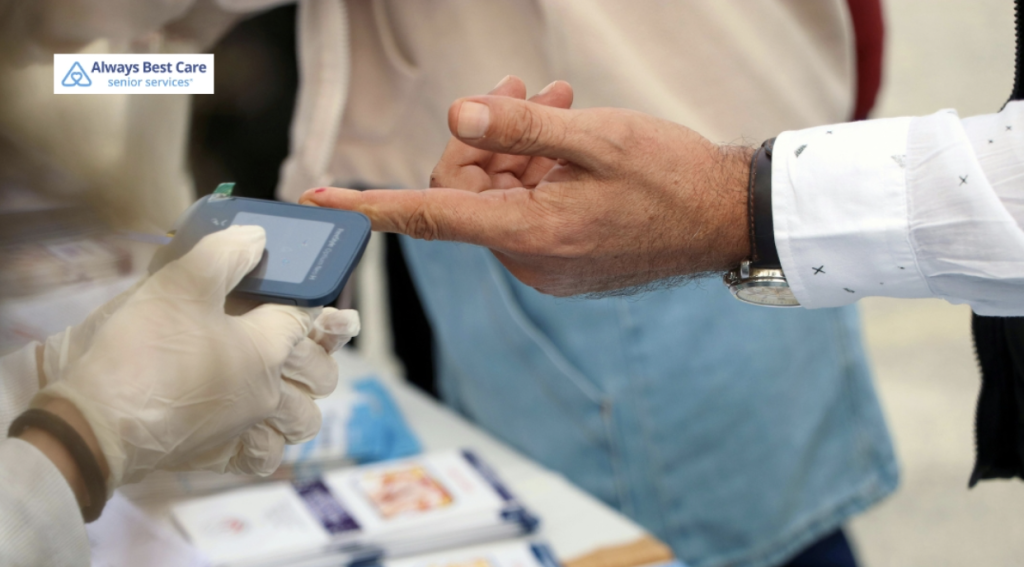
High blood pressure is responsible for nearly half of all strokes. When arterial pressure remains elevated, it gradually weakens arterial walls, making them more prone to rupture or blockage.
For seniors, keeping blood pressure below 130/80 mmHg is widely recommended. Achieving this involves more than just medication; it requires a consistent daily approach:
- Monitor at home using a reliable blood pressure cuff, not just during doctor visits.
- Reduce sodium by cooking with herbs and spices instead of salt and avoiding processed foods.
- Limit alcohol, which raises blood pressure when consumed in excess.
- Stay active with at least 150 minutes of moderate movement per week.
- Take medications as prescribed and never skip doses without consulting a physician.
Small, consistent changes in these areas can produce measurable results within weeks.
Manage Diabetes to Protect Blood Vessels
Chronically high blood sugar damages the inner lining of blood vessels, making them more prone to narrowing and clotting, both of which contribute directly to stroke. Seniors with diabetes face roughly twice the stroke risk of those without it.
Effective management goes beyond checking blood sugar levels. It means working with a healthcare provider to set realistic A1C targets, following a meal plan that limits refined carbohydrates and added sugars, and staying physically active to improve insulin sensitivity. Consistent management not only reduces stroke risk but also protects kidney function, vision, and nerve health.
Address Cholesterol and Heart Health Together
High LDL cholesterol contributes to plaque buildup inside the arteries, a condition called atherosclerosis. Over time, this narrows the arteries and restricts blood flow to the brain. When a plaque deposit ruptures, it can trigger a clot that causes a stroke.
Heart conditions like atrial fibrillation also significantly raise stroke risk and are often underdiagnosed in older adults. Seniors should discuss heart rhythm monitoring with their doctor, especially if they experience palpitations, fatigue, or shortness of breath.
To support heart and vascular health:
- Choose foods rich in omega-3 fatty acids, such as salmon, walnuts, and flaxseed.
- Replace saturated fats with unsaturated options like olive oil and avocado.
- Eat plenty of fibre from vegetables, legumes, and whole grains.
- Follow prescribed cholesterol-lowering medications consistently.
Move More — Even a Little Goes a Long Way
Physical inactivity is a modifiable stroke risk factor that’s often underestimated. Regular movement improves circulation, helps regulate blood pressure and blood sugar, supports a healthy weight, and reduces inflammation, all of which lower stroke risk.
Seniors don’t need to run marathons to benefit. The goal is consistent, enjoyable movement:
- Daily walks, even 20–30 minutes, have a measurable cardiovascular benefit.
- Chair-based exercises are ideal for those with limited mobility.
- Tai chi and yoga improve balance, reduce stress, and support circulation.
- Swimming or water aerobics are gentle on joints while providing a full-body workout.
The key is finding activities that feel sustainable, not burdensome. Caregivers and family members can play a big role here by joining in or helping to build a routine.
Eat to Protect the Brain
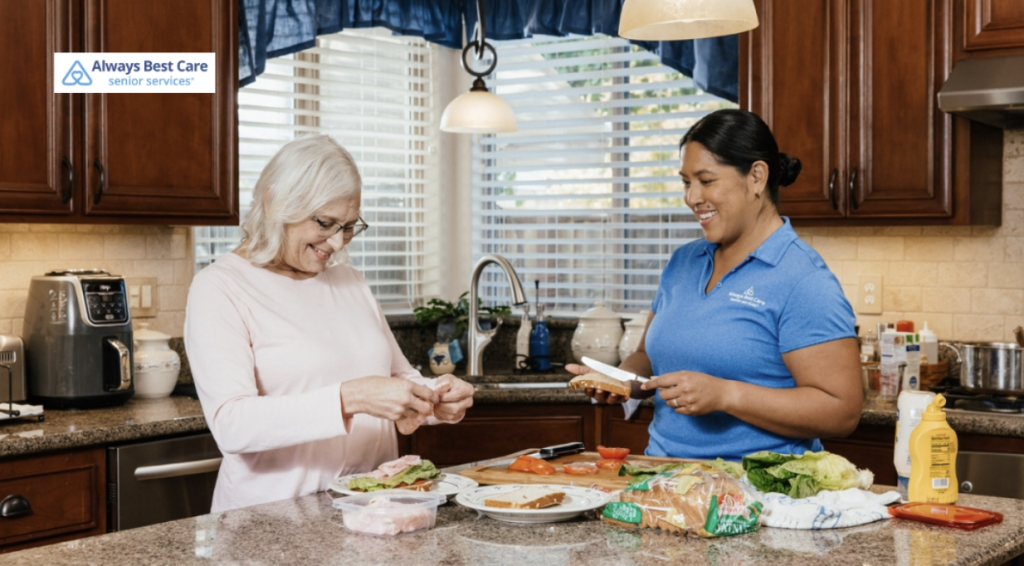
The connection between diet and stroke risk is well established. The DASH (Dietary Approaches to Stop Hypertension) and Mediterranean diets are both strongly associated with reduced stroke risk and are particularly well-suited for older adults.
Focus on:
- Colourful fruits and vegetables at every meal.
- Whole grains over refined carbohydrates.
- Lean proteins, including fish, legumes, and poultry.
- Healthy fats from nuts, seeds, and olive oil.
- Minimal processed foods, sugary beverages, and excess salt.
Hydration also matters. Dehydration thickens the blood, which can increase the risk of clotting. Seniors should aim for adequate fluid intake throughout the day, even when they don’t feel thirsty.
The Role of Daily Support in SW Calgary
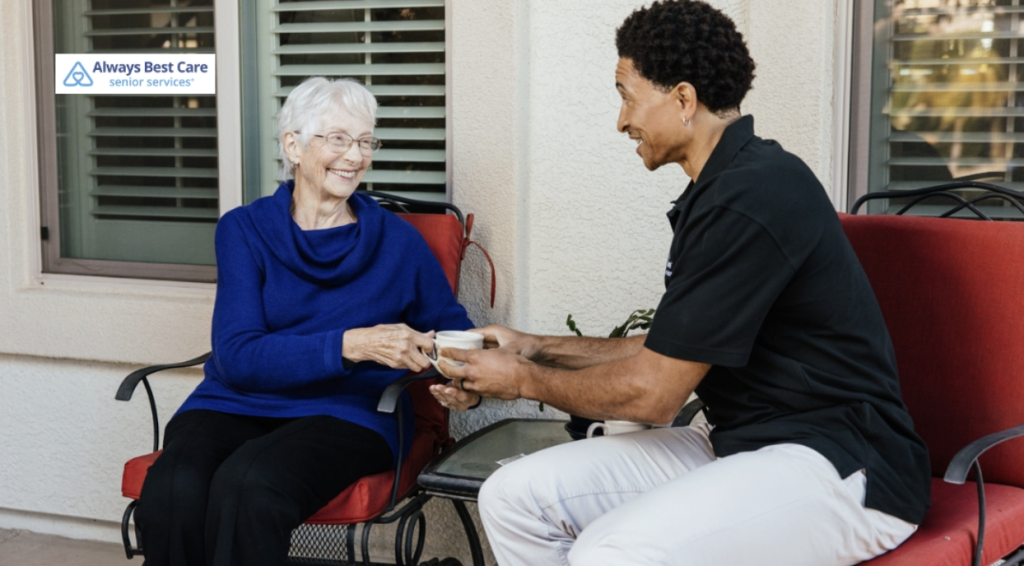
For many seniors, the challenge isn’t knowing what to do; it’s doing it consistently, especially when managing multiple health conditions or living alone. This is where in-home care makes a real difference.
A dedicated caregiver can help seniors:
- Prepare nutritious meals that align with dietary guidelines.
- Stay on schedule with medications and doctor appointments.
- Engage in daily physical activity safely.
- Monitor for early warning signs and communicate with healthcare providers.
This kind of consistent, attentive support creates the conditions for healthy habits to take root and for potential health concerns to be caught early.
Helping Seniors Stay Healthy and Independent in SW Calgary
Stroke prevention is not a single action; it’s a lifestyle built on daily choices, consistent medical care, and the right support system. Seniors who actively manage their blood pressure, blood sugar, cholesterol, diet, and activity levels are giving themselves the best possible chance at a longer, healthier, more independent life.
At Always Best Care of Calgary SW, our caregivers are trained to support seniors in building and maintaining the healthy routines that matter most. Whether it’s meal preparation, medication reminders, or simply being a consistent, caring presence, we’re here to help.
Contact Always Best Care of Calgary SW at (403) 800-7255 to schedule a care consultation and learn how we can help your loved one stay healthy, active, and independent.
Frequently Asked Questions
What is the most important thing seniors can do to prevent a stroke?
Controlling blood pressure is the single most impactful step. High blood pressure is the leading cause of stroke, and managing it through lifestyle changes and medication can dramatically reduce risk.
At what age does stroke risk increase significantly?
Stroke risk roughly doubles every decade after age 55. Adults over 65 account for the majority of strokes, making prevention especially important in this age group.
Can stroke be prevented if there is a family history?
A family history of stroke does increase risk, but it doesn’t make stroke inevitable. Lifestyle factors (diet, exercise, blood pressure management, and not smoking) can significantly offset genetic risk.
What are the early warning signs of a stroke?
Use the acronym FAST: Face drooping, Arm weakness, Speech difficulty, Time to call 911. Acting quickly is critical, as stroke treatment is most effective within the first few hours.
How can a caregiver help reduce a senior’s stroke risk?
Caregivers support stroke prevention by helping seniors maintain consistent routines around medication, nutrition, physical activity, and medical appointments and by monitoring for any changes in health that warrant attention.