Vital Habits for Edmonton Seniors to Help Prevent Stroke
Every year, thousands of older adults experience strokes that alter the course of their lives. The impact can be profound: affecting speech, movement, memory, and the ability to live independently. Yet research consistently shows that up to 80% of strokes are preventable.
For seniors in Edmonton, understanding the key risk factors and taking deliberate steps to address them can make a significant difference in long-term health and quality of life.
What you will learn:
- How managing daily health markers like blood pressure and blood sugar acts as your best defence for a healthy brain.
- Simple, joyful ways to stay active and eat well right here in Edmonton to keep your heart and vessels strong.
- How a little extra support at home helps turn healthy choices into easy, consistent habits for a bright and independent future.
- The essential steps for recognizing early warning signs and taking proactive care of your long-term wellness.
Table of Contents
Why Stroke Risk Rises with Age
Aging naturally leads to changes in the cardiovascular system. Blood vessels become less flexible, and the cumulative effects of chronic conditions like high blood pressure, diabetes, and high cholesterol begin to compound. Seniors are also more likely to experience atrial fibrillation, an irregular heartbeat that significantly increases the risk of blood clots travelling to the brain.
The good news is that most of these risk factors are manageable. Awareness is the first step.
Control Blood Pressure, Your Most Important Defence
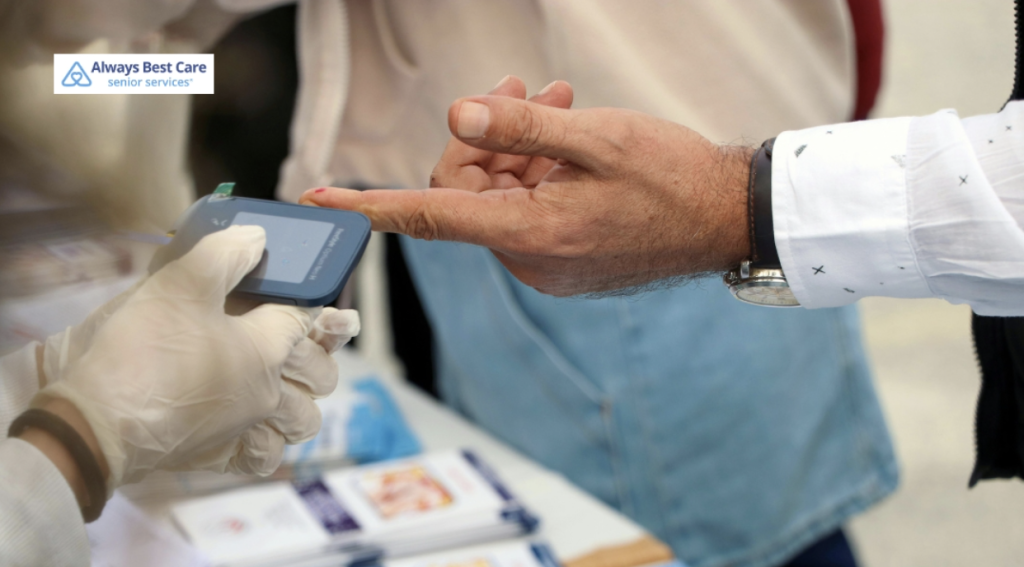
High blood pressure is the single greatest modifiable risk factor for stroke. When consistently elevated, it quietly damages arterial walls, making blockages and ruptures far more likely.
Practical steps for seniors:
- Check blood pressure regularly (at home or during routine medical visits).
- Take prescribed medications consistently and never skip doses.
- Cut back on sodium by cooking at home and reading food labels.
- Limit alcohol consumption.
- Aim for at least 30 minutes of moderate activity most days.
Even a modest reduction in blood pressure can meaningfully lower stroke risk, so small changes add up over time.
Manage Diabetes Proactively
Uncontrolled blood sugar damages blood vessels throughout the body, including those supplying the brain. Seniors with diabetes face a significantly elevated stroke risk, but consistent management can close that gap considerably.
Key habits include:
- Monitoring blood glucose levels as directed by a physician.
- Following a low-glycemic, balanced meal plan.
- Staying active to improve insulin sensitivity.
- Attending regular endocrinology or primary care appointments.
Keeping A1C levels within a target range is one of the most effective ways to protect both heart and brain health simultaneously.
Keep Cholesterol in Check
Excess LDL cholesterol contributes to plaque buildup inside the arteries, a condition called atherosclerosis. As arteries narrow, blood flow to the brain becomes restricted, raising the likelihood of an ischemic stroke.
Seniors can support healthy cholesterol by:
- Prioritizing fibre-rich foods like oats, legumes, and leafy greens.
- Replacing saturated fats with heart-healthy options like olive oil, avocado, and fatty fish.
- Taking prescribed statins or other cholesterol-lowering medications as directed.
- Getting cholesterol panels checked at least once a year.
Diet and medication together are often more effective than either approach alone.
Move More, Even Gently
Physical activity strengthens the heart, improves circulation, helps regulate blood pressure and blood sugar, and supports a healthy weight. Seniors don’t need a gym membership or high-intensity workouts to benefit.
Accessible options include:
- Daily walks through Edmonton’s river valley trails or neighbourhood parks.
- Chair-based stretching or yoga.
- Water aerobics or swimming at a local recreation center.
- Tai chi, which also improves balance and reduces fall risk.
Consistency matters more than intensity. Even 20–30 minutes of gentle movement most days delivers measurable cardiovascular benefits.
Eat for Brain and Heart Health
A nutrient-dense diet directly supports vascular health and reduces the buildup of risk factors that lead to stroke. The Mediterranean-style diet, in particular, has strong evidence behind it for stroke prevention.
Focus on:
- Colourful fruits and vegetables at every meal.
- Whole grains over refined carbohydrates.
- Lean proteins (fish, legumes, poultry).
- Healthy fats from nuts, seeds, and olive oil.
- Minimizing processed foods, added sugars, and excess sodium.
Staying well-hydrated is equally important, as dehydration can affect blood viscosity and circulation.
The Value of Consistent Daily Support
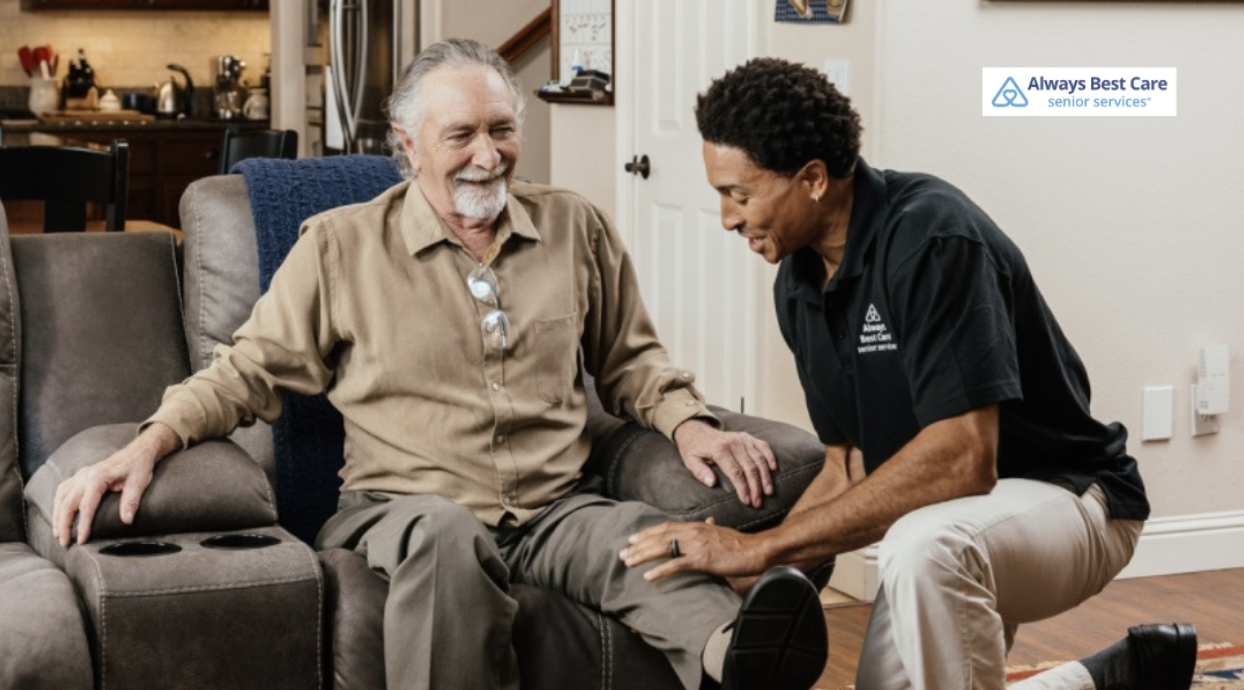
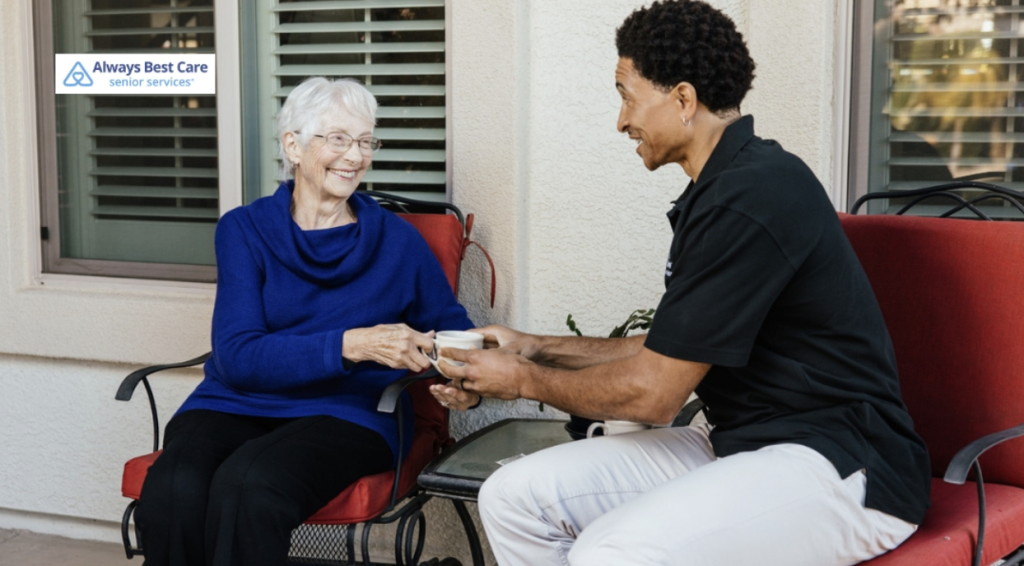
For many seniors, the challenge isn’t knowing what to do; it’s doing it consistently, especially when managing multiple health conditions or living alone. This is where in-home caregivers play a meaningful role.
Caregivers can support stroke prevention by:
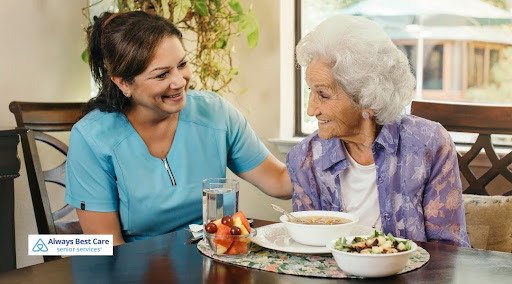
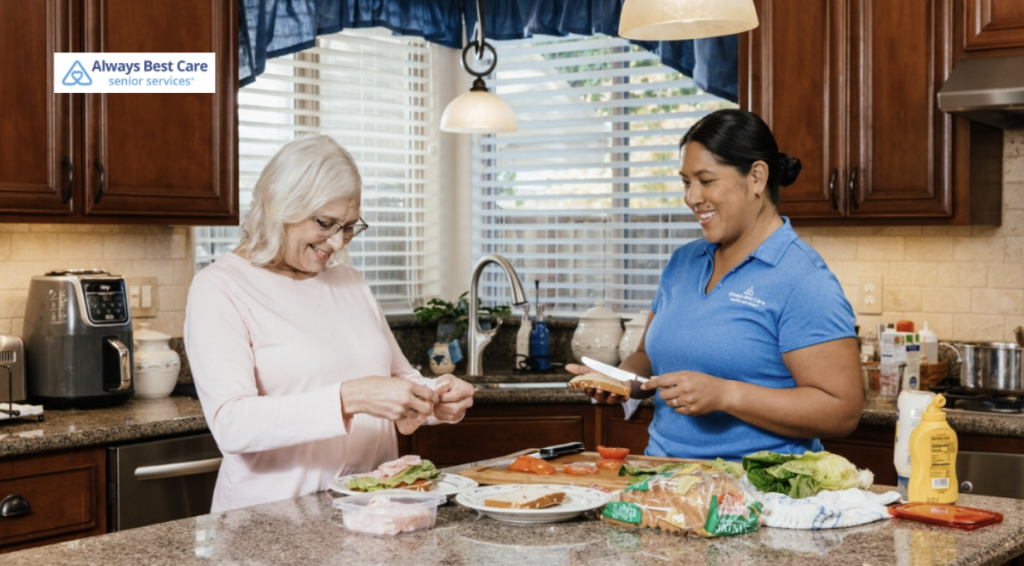
- Preparing balanced, heart-healthy meals daily.
- Accompanying seniors on walks and encouraging regular movement.
- Providing medication reminders to ensure nothing is missed.
- Tracking health changes and communicating concerns to family or medical providers.
- Reducing isolation, which is itself a risk factor for poor health outcomes.
Having reliable support at home creates the structure that sustains healthy habits.
Helping Seniors Stay Healthy and Independent in Edmonton
Stroke prevention is not a single action; it’s a lifestyle built on consistent, manageable habits. By addressing blood pressure, blood sugar, cholesterol, diet, and physical activity, seniors in Edmonton can significantly reduce their risk and maintain the independence they value.
At Always Best Care of Edmonton, our caregivers are trained to support seniors in living healthier, more active lives at home. From meal preparation and medication reminders to companionship and daily activity support, we’re here to help.
Contact Always Best Care of Edmonton at 587-741-8357 to schedule a care consultation and learn how we can help your loved one stay healthy, safe, and independent.
Frequently Asked Questions
Q: What are the most common warning signs of a stroke?
The FAST acronym is a helpful guide: Face drooping, Arm weakness, Speech difficulty, and Time to call 911. Other symptoms include sudden vision changes, severe headache, and loss of balance or coordination. If any of these occur, seek emergency care immediately.
Q: At what age does stroke risk increase significantly?
Stroke risk roughly doubles every decade after age 55. However, lifestyle-related risk factors, such as high blood pressure and diabetes, can elevate risk at any age. Seniors over 65 are considered a high-risk group and should discuss stroke prevention with their physician regularly.
Q: Can stroke be prevented if there is a family history?
A family history of stroke does increase risk, but it doesn’t make stroke inevitable. Managing controllable risk factors (blood pressure, cholesterol, blood sugar, diet, and exercise) can substantially offset genetic predisposition.
Q: How does in-home care help with stroke prevention?
In-home caregivers support the daily habits that reduce stroke risk: preparing nutritious meals, encouraging physical activity, ensuring medications are taken on time, and monitoring for changes in health. Consistent support makes it easier for seniors to maintain routines that protect their long-term health.
Q: Is it safe for seniors to exercise after a stroke or mini-stroke (TIA)?
In most cases, yes, but only under medical guidance. A physician or physical therapist can recommend a safe, graduated exercise plan. Regular movement is often a key part of both recovery and future stroke prevention.