Empowering Stroke Recovery at Home in SW Calgary | Always Best Care

Returning home after a stroke is a significant milestone, but it is also the point where the real work begins. For many seniors in SW Calgary, the weeks and months following discharge are filled with physical challenges, emotional adjustments, and the ongoing need for skilled medical support. Home health services bridge the gap between hospital care and independent living, bringing professional therapy, nursing, and monitoring directly to the patient’s door.
Understanding what home health can offer and how to access it can make a meaningful difference in how well and how quickly a stroke survivor recovers.
What you will learn:
- How home health services bridge the vital gap between leaving the hospital and achieving a full, safe recovery at home.
- The specialized roles of skilled nursing, physical therapy, and occupational therapy in rebuilding strength and daily independence.
- The importance of professional monitoring to catch potential complications early and ensure long-term peace of mind.
- How compassionate, coordinated care plans provide both the medical and emotional support needed for a cheerful recovery journey.
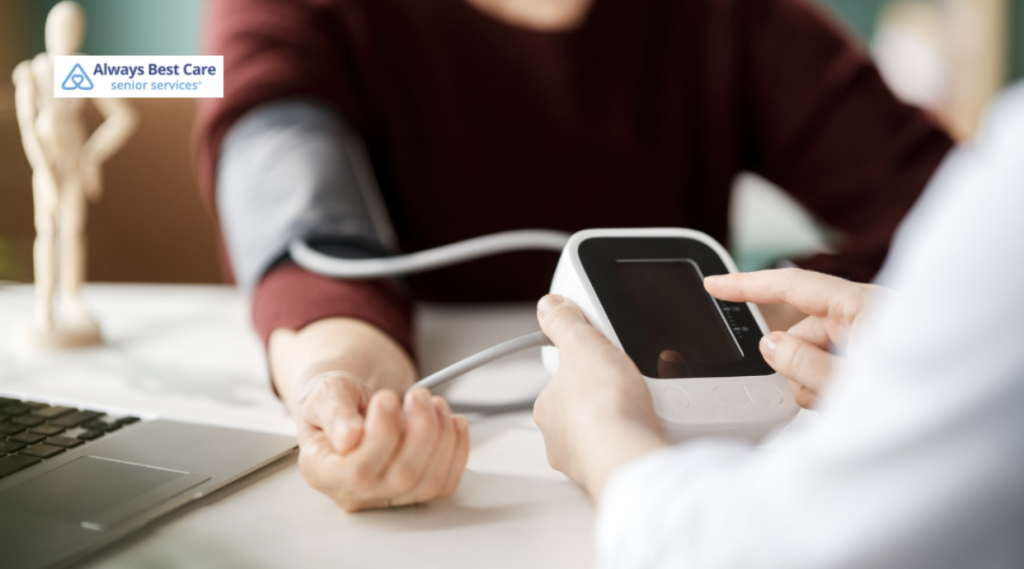
Table of Contents
The Gap Between Discharge and Full Recovery
Hospitals and rehabilitation centers focus on stabilizing patients and restoring basic function. But recovery rarely ends at discharge. Many stroke survivors return home still managing weakness, speech difficulties, memory issues, or coordination problems that require continued attention.
Without structured support at home, progress can stall, or worse, complications can go unnoticed until they become serious. Home health services fill this gap by keeping skilled professionals actively involved in recovery, right where the patient lives.
Skilled Nursing: Medical Oversight Where It Matters Most
A licensed home health nurse is often the first professional to follow a stroke survivor home. Their role goes beyond routine check-ins; they provide clinical oversight that helps catch problems early and keep recovery on track.
Home health nurses in SW Calgary assist with:
- Monitoring blood pressure, heart rate, and other vital signs.
- Managing medications and adjusting dosing as needed.
- Identifying early warning signs of a secondary stroke or complication.
- Educating family members on what to watch for and how to respond.
- Coordinating care with the patient’s physicians and specialists.
For seniors managing additional conditions like diabetes or heart disease alongside stroke recovery, skilled nursing ensures that all health needs are addressed together, not in isolation.

Physical Therapy: Rebuilding Strength and Movement
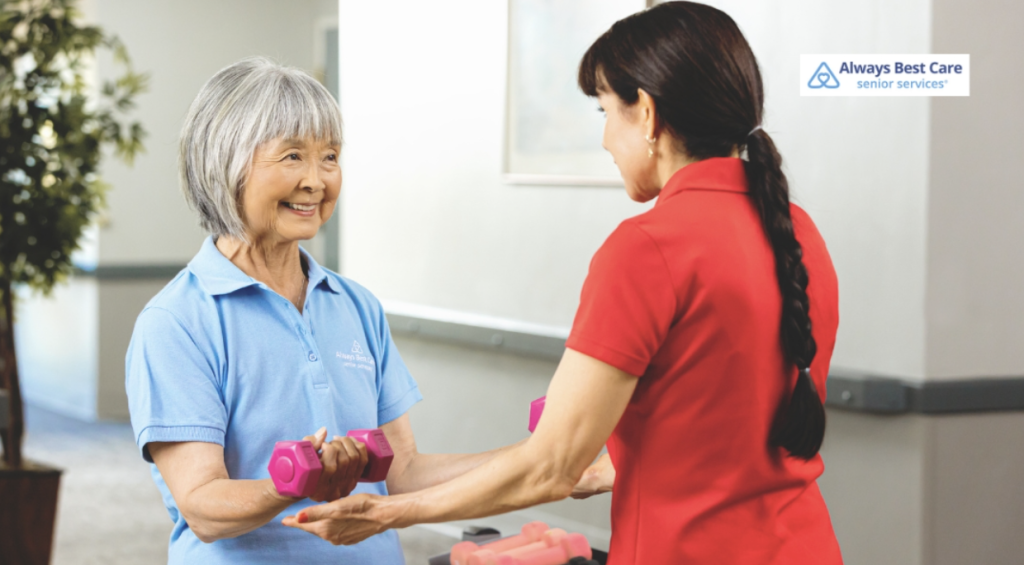
One of the most common effects of a stroke is weakness or partial paralysis on one side of the body. Physical therapy is essential for helping survivors regain the strength, balance, and mobility needed for daily life.
A home-based physical therapist works with the patient in their actual living environment, which makes a significant difference. Rather than practicing exercises in a clinical setting, therapy focuses on real-world challenges: navigating the hallway, climbing stairs safely, or getting in and out of bed without assistance.
Physical therapy goals typically include:
- Rebuilding muscle strength and coordination.
- Improving balance and reducing fall risk.
- Restoring walking ability and overall mobility.
- Increasing range of motion in affected limbs.
This environment-specific approach accelerates progress and gives stroke survivors practical skills they can use immediately, reducing the risk of falls and hospital readmission.
Occupational Therapy: Relearning Everyday Life
A stroke can turn ordinary tasks into significant challenges. Buttoning a shirt, preparing a meal, or stepping into the shower may require entirely new approaches after a stroke. Occupational therapists help seniors develop those approaches, rebuilding independence one task at a time.
Occupational therapy in SW Calgary may focus on:
- Safe bathing, grooming, and dressing techniques.
- Adaptive strategies for household tasks.
- Fine motor skill development and hand coordination.
- Recommending assistive devices that reduce difficulty.
- Modifying the home environment to improve safety and accessibility.
The goal is not just to help seniors complete tasks; it is to restore their confidence in doing so. That sense of capability is a critical part of long-term recovery.
Monitoring for Complications
Stroke recovery is rarely linear. Progress can plateau, and new complications can emerge weeks after the initial event. Regular monitoring by home health professionals ensures that any changes are caught and addressed quickly.
Warning signs that home health teams watch for include:
- Sudden changes in speech, movement, or cognition.
- Increased weakness or new balance problems.
- Unusual fatigue or confusion.
- Indicators of another stroke or cardiovascular event.
Early detection not only prevents serious setbacks; it can also reduce the likelihood of emergency hospitalization, keeping recovery on a forward trajectory.
Emotional and Social Support
The emotional toll of a stroke is often underestimated. Many survivors experience frustration, anxiety, or depression as they adjust to new limitations. The loss of independence, even temporarily, can feel isolating.
Home health caregivers and medical professionals provide more than clinical support. Their consistent presence offers reassurance, encouragement, and companionship. Families also benefit, gaining peace of mind knowing that a qualified team is actively involved in their loved one’s care.
How Always Best Care of Calgary SW Supports Stroke Recovery
At Always Best Care of Calgary SW, we take a comprehensive approach to stroke recovery at home. Our team coordinates skilled nursing, physical therapy, occupational therapy, and personal care services into a unified plan tailored to each individual.
In addition to home health support, our caregivers assist with daily activities, meal preparation, transportation to follow-up appointments, and companionship, ensuring that no aspect of recovery is overlooked.
We work closely with physicians, therapists, and family members to adapt care plans as recovery progresses, so seniors always receive the right level of support at the right time.
Supporting Your Loved One’s Recovery
Stroke recovery is a journey, and it does not have to be navigated alone. With the right home health team in place, seniors in SW Calgary can continue making meaningful progress in the comfort and familiarity of their own home.
Contact Always Best Care of Calgary SW at (403) 800-7255 to schedule a care consultation and learn how our home health services can support your loved one’s recovery.
Frequently Asked Questions
Q: What is home health care for stroke recovery?
A: Home health care for stroke recovery refers to skilled medical services, including nursing, physical therapy, and occupational therapy, delivered in the patient’s home. These services help stroke survivors continue their recovery after leaving a hospital or rehabilitation facility.
Q: How soon after a stroke can home health services begin?
A: Home health services can typically begin within days of hospital discharge. A physician’s referral is usually required, and a care coordinator will assess the patient’s needs before services start.
Q: Is home health care covered by insurance in Canada?
A: Coverage varies depending on the province and the specific services required. In Alberta, some home health services may be covered through Alberta Health Services. Private insurance plans and out-of-pocket options are also available. Always Best Care can help families understand their options.
Q: How long does stroke recovery with home health support take?
A: Recovery timelines vary significantly depending on the severity of the stroke, the patient’s overall health, and how consistently therapy is pursued. Some individuals see major improvements within weeks; others continue progressing over months or years. Home health services can be adjusted as recovery evolves.