
Beat Dehydration: Essential Water Intake Tips to Keep Seniors Healthy and Active
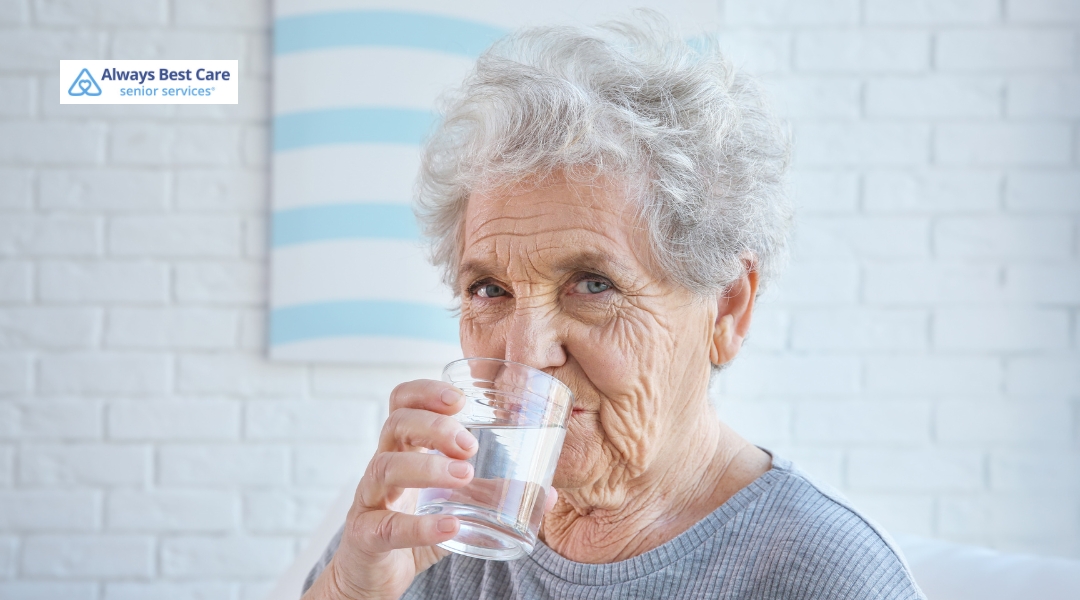
Water – it’s the elixir of life, right?
Yet, many seniors unintentionally skimp on their daily water intake, making dehydration a sneaky threat.
As we age, our bodies change in ways that make hydration even more essential but also trickier to manage.
At Always Best Care of Oakville, we see firsthand how proper hydration can boost energy, sharpen minds, and ease those achy joints in our senior loved ones.
So, grab a glass and let’s chat about why drinking up matters more than ever for seniors.
What you will learn:
- Why proper hydration is super important for seniors’ energy levels, thinking, digestion, joint comfort, and overall health.
- What makes seniors more prone to dehydration, such as a blunted thirst sensation or mobility challenges.
- Easy and effective tips and support strategies to help seniors stay hydrated and healthy!
Table of Contents
Why Proper Hydration Matters for Seniors
Did you know water makes up over half of our body weight? It fuels nearly every bodily function, from keeping blood flowing smoothly to flushing out toxins. For seniors, especially, staying hydrated helps maintain balance in several critical areas:
- Energy Boosting: Just a slight dip in fluids can leave anyone feeling wiped out. Seniors often experience fatigue naturally with age; not drinking enough water just piles on the sluggishness.
- Sharper Thinking: Dehydration can fog up mental clarity and memory, a real concern if cognitive issues are already present.
- Gentle Digestion: Water softens stools and keeps things moving along nicely; skip it, and constipation may rear its ugly head.
- Joint Comfort: Fluids keep tissues lubricated, so muscles don’t cramp or joints stiffen as much.
- Overall Wellness: From regulating body temperature to supporting skin elasticity and kidney function, H2O is the unsung hero behind healthy aging.

What Makes Seniors Prone to Dehydration?
Unlike younger folks who might guzzle water when thirsty without thinking twice, seniors face hurdles that can cause them to drink less than they should:
- A blunted thirst sensation means they might not feel thirsty until dehydration sets in.
- Certain medications may increase fluid loss or reduce the appetite for drinks.
- Mobility challenges make grabbing a glass harder than it sounds.
All these factors add up, and that’s why proactive hydration support becomes key.
Tips from Always Best Care of Oakville to Encourage Better Hydration
Helping someone sip more throughout the day doesn’t have to be rocket science! Here are some simple yet effective strategies we use every day:
- Offer tasty alternatives like herbal teas or fruit-infused waters instead of plain old tap water.
- Include juicy fruits like watermelon or oranges that sneak extra fluids into snacks.
- Set gentle reminders during meals or medication times—sometimes all it takes is a nudge!
- Use fun cups or lightweight bottles; making hydration hassle-free goes a long way, especially for arthritic hands.
- Keep an eye on urine colour as an easy sign: pale yellow means good-to-go; anything darker might mean time for another drink.

How Always Best Care Supports Senior Hydration
When daily routines get tricky due to health or mobility issues, having someone there makes all the difference. Our caregivers at Always Best Care provide compassionate assistance by:
- Preparing hydrating meals and beverages tailored to preferences.
- Offering regular prompts so drinking becomes second nature.
- Watching closely for signs like dizziness or confusion that hint dehydration might be creeping in.
- Helping with bathroom trips, which sometimes deters fluid intake.
This personal touch ensures your loved one stays refreshed without stress and continues living comfortably at home, where they want to be.
FAQ About Senior Hydration
Q: How much water should my elderly parent drink each day?
A: While needs vary by person size and activity level, around 6–8 cups (48–64 ounces) daily is commonly recommended for seniors unless otherwise directed by their doctor.
Q: Can other beverages count towards hydration?
A: Absolutely! Herbal teas, milk, soups—all contribute fluids, but watch caffeine-heavy drinks as they might increase urine output too much if consumed excessively.
Q: What are the early signs that my senior loved one isn’t drinking enough?
A: Look out for dry mouth, lips and skin changes, decreased urination, darker urine, fatigue, dizziness, confusion, irritability, headaches, and muscle cramps.
Q: Is it okay if my loved one doesn’t feel thirsty much anymore?
A: This happens with aging, but shouldn’t stop them from sipping regularly throughout the day since thirst cues become unreliable over time.

Make Hydration Easy and Enjoyable for Seniors!
With simple tips plus caring help from Always Best Care of Oakville, making sure your loved ones stay refreshed gets easier than ever before.
Contact Always Best Care of Oakville at (905) 592-4886 to learn more and schedule your free consultation.