

Supporting Senior Appetites: Gentle Ways to Boost Nutrition in Oakville Homes

For many families in Oakville, noticing that a loved one has stopped finishing meals or lost interest in food can be unsettling. A senior who once looked forward to dinner may now push their plate away after a few bites. While some shift in appetite is a natural part of aging, a consistent decline in food intake is worth taking seriously; it can quietly erode strength, immunity, and independence.
Understanding what drives appetite loss and how to address it practically can make a meaningful difference in a senior’s quality of life.
What you will learn:
- The common reasons why our beloved seniors might lose their enthusiasm for eating and mealtimes.
- The hidden health impacts of poor nutrition and why keeping up their strength is so vital.
- Heartwarming, simple strategies to boost flavor and create joyful, nourishing dining habits at home.
- How compassionate professional caregivers can beautifully support your family with meal prep and happy companionship.
Table of Contents
Why Seniors Lose Their Appetite
Appetite loss in older adults rarely has a single cause. More often, it’s the result of several overlapping factors that compound over time.
- Physiological changes play a significant role. As the body ages, the senses of taste and smell weaken, making food less enjoyable. Digestion slows, which can create a persistent feeling of fullness even when little has been eaten. Hormonal shifts also reduce hunger signals.
- Medications are another major contributor. Many commonly prescribed drugs, including those for blood pressure, pain, or depression, list reduced appetite as a side effect. In some cases, the combination of multiple medications amplifies this effect.
- Dental and swallowing issues make eating uncomfortable or even painful. Poorly fitting dentures, tooth sensitivity, or difficulty swallowing can cause seniors to avoid certain foods or skip meals altogether.
- Mental and emotional health matters too. Depression, anxiety, and loneliness are closely linked to reduced appetite. Seniors who eat alone regularly are particularly vulnerable; mealtime loses its social dimension and becomes just another task.
- Cognitive decline can disrupt eating patterns in less obvious ways. A senior with memory loss may forget to eat, lose track of mealtimes, or struggle to prepare food independently.

The Real Cost of Poor Nutrition
When a senior consistently eats too little, the effects accumulate gradually, which is part of what makes nutritional decline so easy to overlook until it becomes serious.
Poor nutrition in older adults is linked to:
- Muscle loss, which increases fall risk and reduces mobility.
- Weakened immunity, making it harder to fight off illness.
- Slower wound healing and longer recovery times after illness or surgery.
- Fatigue and cognitive fog, which can be mistaken for normal aging.
- Unintended weight loss, which can signal or accelerate underlying health issues.
Even mild, ongoing deficiencies in key nutrients like protein, vitamin D, calcium, and B vitamins can have a measurable impact on how a senior feels and functions day to day.
Practical Strategies to Encourage Better Eating
The good news is that small, consistent changes can meaningfully improve a senior’s nutritional intake, without turning every meal into a battle.
- Prioritize nutrient density over volume. When appetite is limited, every bite should count. Focus on foods that pack a lot of nutrition into a small serving: eggs, Greek yogurt, avocado, nut butters, lean proteins, and fortified dairy alternatives.
- Shift to smaller, more frequent meals. Three large meals a day may feel overwhelming. Offering five or six smaller meals and snacks throughout the day is often more manageable and can result in better overall intake.
- Enhance flavor intentionally. Since taste and smell diminish with age, food can seem bland. Using fresh herbs, citrus, garlic, and quality seasonings can make meals more appealing without adding excess sodium.
- Make mealtime social. Eating with others (whether family, friends, or a caregiver) consistently improves food intake among seniors. Conversation and companionship make meals more enjoyable and give seniors a reason to linger at the table.
- Respect preferences. Familiar, culturally meaningful foods often feel more appealing than nutritionally optimized but unfamiliar options. Working with a senior’s preferences rather than against them tends to produce better results.
- Stay on top of hydration. Dehydration can suppress appetite and contribute to fatigue and confusion. Encouraging regular fluid intake, including soups, smoothies, and herbal teas, supports both hydration and nutrition.

When to Involve a Healthcare Provider
Not all appetite changes can be addressed through meal adjustments alone. If a senior experiences sudden or significant appetite loss, unexplained weight loss, difficulty swallowing, persistent nausea, or noticeable changes in mood or cognition, a medical evaluation is warranted.
A physician can assess whether medications need to be adjusted, identify underlying conditions contributing to appetite loss, and refer to a registered dietitian if needed. Early intervention typically leads to better outcomes.
How Always Best Care of Oakville Can Help
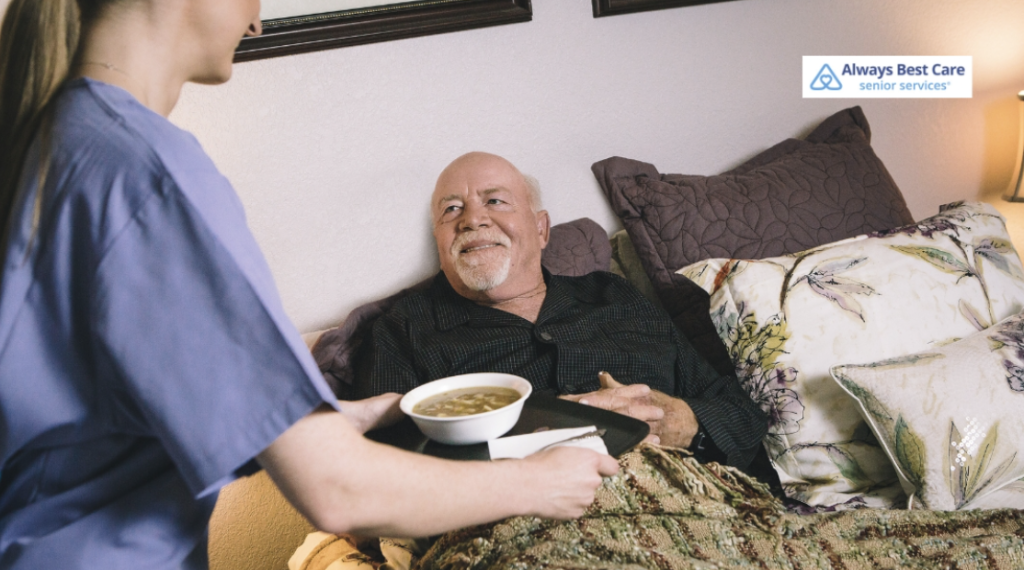
For many seniors, the challenge isn’t knowing what to eat; it’s having the support to make it happen consistently. Always Best Care caregivers in Oakville provide hands-on assistance that helps seniors maintain healthy eating habits as part of their daily routine.
Our caregivers can help with:
- Planning and preparing nutritious, appealing meals.
- Grocery shopping with dietary needs in mind.
- Encouraging regular hydration throughout the day.
- Providing companionship during mealtimes.
- Monitoring changes in appetite and communicating concerns to family members.
- Supporting seniors with cognitive decline who may need reminders or assistance at mealtimes.
Good nutrition is foundational to everything else: energy, mobility, immunity, and mood. When seniors have consistent, compassionate support around mealtimes, the difference is tangible.
Contact Always Best Care of Oakville at (289) 814-3783 to learn more and schedule your consultation.
Frequently Asked Questions
Q: How much appetite loss is considered normal in older adults?
A: Some reduction in appetite is a normal part of aging due to slower metabolism and changes in taste and smell. However, significant or sudden appetite loss, especially when accompanied by weight loss or fatigue, is not something to dismiss. If a senior is consistently eating much less than usual over several weeks, it’s worth discussing with a healthcare provider.
Q: What are the best foods for seniors with a poor appetite?
A: When appetite is limited, focus on nutrient-dense options: eggs, Greek yogurt, nut butters, avocado, lean meats, fish, beans, and fortified foods. Smoothies and soups can also be effective ways to deliver nutrition in an easy-to-consume format.
Q: Can depression cause appetite loss in seniors?
A: Yes. Depression is one of the most common and most underdiagnosed causes of appetite loss in older adults. Seniors who are grieving, isolated, or experiencing a significant life change are particularly at risk. If emotional or behavioral changes accompany appetite loss, a mental health evaluation is an important step.
Q: How can I help a parent who refuses to eat?
A: Start by understanding the reason behind the refusal. Is it discomfort, lack of appetite, depression, or a dislike of the food being offered? Avoid pressure, which often backfires. Instead, offer small amounts of favorite foods, make mealtimes social, and consult a healthcare provider if the pattern continues.
Q: When should I consider professional home care for a senior with appetite issues?
A: If a senior is losing weight, struggling to prepare meals independently, eating alone most of the time, or showing signs of nutritional deficiency, professional home care can provide meaningful support. A caregiver can assist with meal preparation, encourage consistent eating habits, and flag concerns early.