

When Blood Sugar Changes: What Families of Older Adults Should Know in Oakville, ON
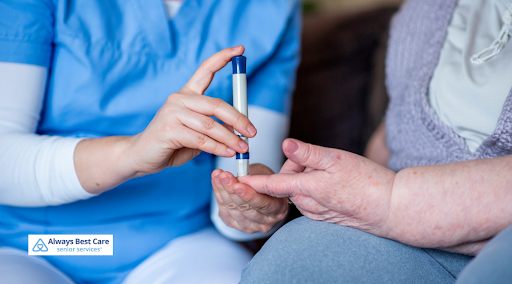
As people age, managing blood sugar becomes more complex, even for seniors who have lived with diabetes for decades.
Shifting health conditions, new medications, reduced appetite, and changes in daily routines can all throw blood sugar off balance.
For families in Oakville, understanding the warning signs of blood sugar changes isn’t just helpful. It can be life-saving.
What You Will Learn:
- How ageing can affect blood sugar levels and make diabetes more difficult to manage.
- The common signs of low and high blood sugar to watch for in older adults.
- Simple daily habits that can support more stable blood sugar levels.
- How changes in memory and mobility can affect diabetes care and when additional support at home may help.
Table of Contents
Why Diabetes Gets More Complicated with Age
Ageing doesn’t just affect energy and mobility; it changes how the body processes glucose, responds to medications, and signals distress. Several factors make blood sugar harder to manage in older adults:
- Multiple chronic conditions: Many seniors manage diabetes alongside heart disease, kidney issues, or arthritis. Each condition (and its treatment) can influence blood sugar.
- Polypharmacy: Taking several medications at once increases the risk of interactions that affect glucose levels.
- Reduced kidney function: As kidneys age, they process medications differently, which can cause drugs to stay in the system longer and increase the risk of low blood sugar.
- Appetite and weight changes: Eating less, skipping meals, or unintentional weight loss can cause glucose to drop unexpectedly.
- Cognitive changes: Memory lapses can lead to missed doses, forgotten meals, or double-dosing medications.
- Decreased physical activity: Less movement affects how the body uses insulin and regulates blood sugar.
Understanding these factors helps families move from reactive to proactive, catching problems early rather than responding to emergencies.

Recognizing Low Blood Sugar (Hypoglycaemia)
Low blood sugar occurs when glucose drops below a safe threshold. In older adults, it can come on quickly and is one of the most dangerous blood sugar emergencies.
Common causes include:
- Diabetes medications (especially insulin or sulfonylureas).
- Skipping or delaying meals.
- Increased physical activity without adjusting food or medication.
- Alcohol consumption.
- Illness or infection.
Warning signs to watch for:
- Shaking, trembling, or sweating.
- Sudden dizziness or weakness.
- Unusual hunger.
- Headache.
- Irritability, anxiety, or mood changes.
- Difficulty concentrating or following a conversation.
- Confusion or disorientation.
- Unsteady gait or coordination problems.
Why it’s tricky in older adults: Many of these symptoms overlap with normal ageing or other conditions. A senior might not recognize they’re hypoglycaemic or may not be able to communicate it clearly. Sudden behavioural changes, unusual fatigue, or unexplained falls should always prompt a blood sugar check.
When it’s an emergency: Severe hypoglycaemia can cause seizures or loss of consciousness. Call 911 immediately if this occurs.
Recognizing High Blood Sugar (Hyperglycaemia)
Unlike low blood sugar, hyperglycaemia tends to develop gradually, which means it can go unnoticed for days or even weeks. That slow onset makes it easy to dismiss early symptoms as general fatigue or aging.
Common causes include:
- Missed medications or insulin doses.
- Illness or infection (which raises stress hormones and blood sugar).
- Eating more carbohydrates than usual.
- Reduced physical activity.
- Certain medications (such as steroids).
Warning signs to watch for:
- Increased thirst that doesn’t go away.
- Frequent urination, especially at night.
- Blurred or worsening vision.
- Persistent fatigue or weakness.
- Headaches.
- Unexplained weight loss.
- Slow-healing wounds, cuts, or bruises.
- Recurring infections (urinary tract, skin, or gum infections).
Long-term risks: Chronically elevated blood sugar damages blood vessels and nerves over time, contributing to complications involving the eyes, kidneys, heart, and feet.
When it’s an emergency: Extreme hyperglycaemia can lead to diabetic ketoacidosis (DKA) or hyperosmolar hyperglycaemic state (HHS), both life-threatening. Signs include severe confusion, rapid breathing, fruity-smelling breath, or loss of consciousness. Call 911 immediately.
Paying Attention to What’s “Normal” for Your Loved One
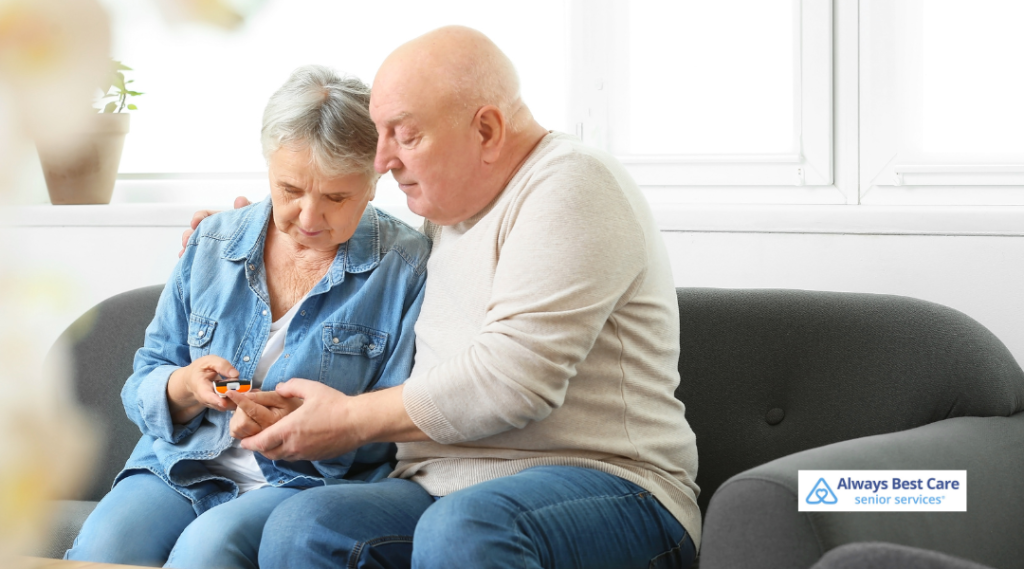
You don’t need a medical degree to be an effective advocate for a senior with diabetes. What you need is familiarity, knowing your loved one’s baseline so you can spot when something shifts.
Ask yourself:
- Is my loved one more tired than usual, even after a full night’s sleep?
- Are they drinking more water or using the bathroom more frequently?
- Have they seemed confused, irritable, or “off” without a clear reason?
- Are they eating less, or skipping meals?
- Have they had any unexplained falls or balance issues?
These observations are valuable clinical data. Share them with the senior’s healthcare provider; don’t wait for the next scheduled appointment if something feels urgent.
Key questions to ask the care team:
- What are my loved one’s personal blood sugar target ranges?
- How often should glucose be checked, and at what times of day?
- Which symptoms should prompt a call to the doctor?
- What constitutes an emergency requiring 911?
Building Routines That Support Stable Blood Sugar
Consistency is one of the most powerful tools in diabetes management. Predictable daily routines reduce the variability that leads to dangerous highs and lows.
Habits that support stable blood sugar:
- Regular mealtimes: Eating at consistent times helps the body anticipate and regulate glucose more effectively.
- Medication adherence: Taking medications at the same time each day, exactly as prescribed, prevents gaps or overlaps in coverage.
- Routine glucose monitoring: Checking blood sugar as directed (not just when symptoms appear) gives a clearer picture of trends.
- Adequate hydration: Dehydration can concentrate blood sugar and worsen hyperglycaemia.
- Appropriate physical activity: Even gentle movement like walking or chair exercises helps the body use insulin more efficiently.
- Regular medical appointments: Routine check-ins allow providers to adjust treatment plans before problems escalate.
Families should also keep an updated list of all medications and supplements the senior takes (including over-the-counter products) and share it with every provider involved in their care.

When Memory or Mobility Problems Complicate Diabetes Care in NW Calgary
Managing diabetes requires a lot of cognitive and physical effort: remembering medications, preparing balanced meals, testing blood sugar, and keeping appointments. For seniors dealing with memory changes or physical limitations, these tasks can become overwhelming.
Cognitive challenges such as mild cognitive impairment or early dementia can lead to:
- Forgotten or doubled-up medications.
- Skipped meals or poor food choices.
- Missed glucose checks.
- Inability to recognize or report symptoms.
Physical challenges such as arthritis, tremors, vision loss, or reduced mobility can make it difficult to:
- Operate a glucometer accurately.
- Prepare nutritious meals safely.
- Travel to medical appointments.
- Stay physically active.
When these barriers are present, in-home support isn’t just helpful; it’s often essential for safe diabetes management.
How Always Best Care of Calgary NW Can Help
Living well with diabetes is about far more than monitoring numbers. It requires consistent daily support, the kind that’s hard to sustain without help.
Always Best Care of Oakville caregivers provide hands-on assistance that directly supports diabetes management, including:
- Meal preparation: Planning and preparing balanced, diabetes-friendly meals on a consistent schedule
- Medication reminders: Prompting seniors to take the right medications at the right times
- Hydration support: Encouraging adequate fluid intake throughout the day
- Activity encouragement: Supporting safe, appropriate physical activity as part of the daily routine
- Transportation: Helping seniors get to and from medical appointments
- Observation and communication: Noticing changes in behaviour, appetite, or energy and reporting them to family or healthcare providers
For seniors who qualify, home health services provide an additional layer of clinical support, including skilled nursing care, wound care, and medication management, tailored to the individual’s medical needs and physician-directed care plan.

Helping Your Loved One Stay Safe with Diabetes
Blood sugar can shift quickly, and older adults don’t always recognize or communicate the warning signs. Families who stay engaged, knowing their loved one’s routines, watching for changes, and asking the right questions, make a measurable difference in outcomes.
If your loved one has diabetes and could benefit from consistent daily support, Always Best Care of Oakville, ON is here to help. Contact Always Best Care of Oakville at (289) 814-3783 to schedule a care consultation and learn how our team can support safer routines, greater independence, and a better quality of life.
Frequently Asked Questions
Q: What blood sugar levels are considered dangerous for older adults?
A: Generally, blood sugar below 3.9 mmol/L is considered low (hypoglycaemia), and above 10.0 mmol/L after meals may indicate hyperglycaemia, though target ranges vary by individual. Seniors often have personalized targets set by their healthcare provider based on their overall health, medications, and risk of complications. Always follow the guidance of the senior’s care team.
Q: Can older adults have low blood sugar without feeling symptoms?
A: Yes. This is called hypoglycaemia unawareness, and it’s more common in older adults and those who have had diabetes for many years. The body’s warning signals become blunted over time, making routine glucose monitoring especially important.
Q: How does illness affect blood sugar in seniors?
A: Illness, even a common cold or urinary tract infection, triggers the release of stress hormones that raise blood sugar. At the same time, illness can reduce appetite and fluid intake, complicating management further. Seniors with diabetes should have a “sick day plan” from their healthcare provider.
Q: What should I do if I think my loved one’s blood sugar is dangerously low or high?
A: If they are conscious and able to swallow, and you suspect low blood sugar, follow their care plan (often 15 grams of fast-acting carbohydrates, such as juice or glucose tablets). If they are unconscious, having a seizure, or you are unsure, call 911 immediately. For suspected severe hyperglycaemia with confusion or breathing difficulty, also call 911.
Q: How can a home caregiver help with diabetes management?
A: A trained caregiver can support meal preparation, medication reminders, hydration, safe activity, and transportation to appointments. Importantly, they also serve as an extra set of eyes, noticing subtle changes in behaviour or physical condition that may signal a blood sugar problem before it becomes serious.
Q: Is in-home diabetes support covered by insurance or government programs?
A: Coverage varies depending on the individual’s insurance plan, province-specific programs, and whether they qualify for home health services. Always Best Care of Calgary NW can help families explore available options during a care consultation.
Sources
- American Diabetes Association. Standards of Medical Care in Diabetes. diabetes.org
- National Institute on Aging. Diabetes in Older People. nia.nih.gov
- Centers for Disease Control and Prevention. Diabetes and Older Adults. cdc.gov
- Mayo Clinic. Hypoglycemia. mayoclinic.org
- Mayo Clinic. Hyperglycemia in Diabetes. mayoclinic.org
- Diabetes Canada. Managing Diabetes as You Age. diabetes.ca