Fall Prevention Essentials: Home Safety Modifications for Oakville Seniors
Slips and falls remain one of the most serious risks facing older adults in Oakville, threatening independence, mobility, and quality of life.
The statistics are sobering: around 350,000 Canadians aged 65 and older experience falls annually that limit normal activities, with mortality rates increasing 111% between 2001 and 2019.
The encouraging news?
With thoughtful home modifications, supportive care, and lifestyle strategies, the majority of falls can be prevented, allowing seniors to continue living safely and comfortably at home, where they most want to be.
Table of Contents
Why Falls Matter in Oakville’s Senior Community
Understanding the scope of fall-related injuries helps contextualize the urgency of prevention efforts in Oakville.
Key Statistics on Falls Among Canadian Seniors
Falls disproportionately affect women in the 65-and-over age group, with over two-thirds of fall-related hospitalizations occurring among older women. For those 85 and older, the stakes escalate dramatically: mortality rates exceed 800 per 100,000 for women and 700 per 100,000 for men. (Source: health-infobase.canada)
In Oakville specifically, access to evidence-based fall prevention programs and local resources can significantly reduce these risks. The Region of Halton offers targeted initiatives and workshops designed to support aging adults and their families in creating safer home environments.
Common Fall Risk Factors
Physical and Physiological Risk Factors
- Age-related muscle loss: Muscle strength declines 3-8% per decade after age 30, reducing stability and the ability to catch oneself during a stumble.
- Balance and coordination changes: Inner ear function and vestibular system decline, affecting spatial orientation and proprioception (body awareness).
- Vision changes: Reduced depth perception, difficulty adjusting to lighting changes, and decreased ability to detect obstacles.
- Medication effects: Polypharmacy (taking 4+ medications) increases fall risk by nearly 20%, and some medications may cause dizziness, orthostatic hypotension, or impaired coordination.
- Chronic health conditions: Arthritis, diabetes, Parkinson’s disease, heart disease, and other chronic conditions affect mobility, balance, and cognitive function.
- Previous falls: A prior fall nearly doubles the risk of experiencing another fall.
Environmental Risk Factors
- Poor lighting in hallways, bathrooms, stairways, and entryways.
- Cluttered walkways and tripping hazards (extension cords, loose rugs, toys, pet items).
- Uneven flooring, loose or worn carpeting, and thresholds.
- Slippery bathroom and kitchen tiles, particularly when wet.
- Inadequate grab bars or handrails in high-risk areas.
- Stairs without proper lighting or handrails on both sides.
- Poorly arranged furniture that blocks pathways or creates obstacles.
- Reduced ability to reach or bend due to storage placement.
Behavioural and Lifestyle Factors
- Inadequate physical activity and exercise.
- Reduced strength and flexibility training.
- Rapid position changes (standing up too quickly).
- Fear of falling, which leads to reduced activity and further deconditioning.
Why Fall Prevention Works: The Evidence
Research demonstrates that comprehensive, multi-component fall prevention programs deliver significant results. Evidence-based programs that combine environmental modifications, exercise, and education show:
- 52% reduction in the number of falls participants experience.
- 56% reduction in falls causing injuries.
- 18% reduction in emergency room visits due to falls.
- $3,904 savings per participant annually (compared to control groups), yielding an ROI of $8.36 to $38.04 for every dollar spent (Source: ncoa.org).
5 Essential Home Safety Modifications for Oakville Seniors
Creating a fall-resistant home doesn’t require major renovations. Strategic, targeted modifications address the highest-risk areas and significantly reduce the likelihood of injury.
1. Improve Lighting Throughout the Home
Inadequate lighting is among the most common fall risk factors and is entirely preventable.
Recommended Actions:
- Hallways and stairways: Install bright overhead lighting or LED fixtures with at least 50 watts (or equivalent LED brightness). Ensure every stair is clearly visible.
- Bathrooms: Add bright overhead lighting and consider task lighting around mirrors and near the toilet area.
- Bedrooms: Install a bedside lamp within arm’s reach to allow seniors to light the room before getting out of bed.
- Motion-sensor lights: Place motion-activated lights in hallways, bathrooms, and near exterior entrances for nighttime convenience and safety. These eliminate the need to search for switches in the dark.
- Outdoor lighting: Illuminate pathways, entrance steps, and porches to prevent trips during entry and exit from the home.
- Nightlights: Place LED nightlights along hallways and in bedrooms to guide nighttime movement without causing glare or requiring full lighting.
2. Remove and Prevent Tripping Hazards
A clutter-free home is a safer home. Regular assessment and elimination of tripping risks should be ongoing priorities.
Recommended Actions:
- Remove area rugs in hallways and main walking paths. If rugs are important for aesthetics, use non-slip rug pads underneath or opt for low-profile, non-slip alternatives.
- Clear pathways: Maintain clear walking routes from bedroom to bathroom, bedroom to kitchen, and bedroom to front entrance.
- Manage electrical cords: Secure extension cords along baseboards using cord covers or clips. Never allow cords to cross walking paths.
- Organize clutter: Avoid leaving items on floors, stairs, or in walkways. Use storage solutions to keep frequently used items accessible but organized.
- Pet safety: Ensure pets have designated areas and are trained to stay clear of high-traffic zones and stairs.
- Non-slip bathroom mats: Use adhesive non-slip bath mats or textured strips in tubs and on shower floors to prevent slipping on wet surfaces.
3. Install Supportive Fixtures and Handrails
Grab bars and handrails provide critical points of support during balance loss or position changes.
Strategic Placement:
- Bathrooms: Install grab bars near toilets, alongside tubs, and beside showers. Position bars 1.5 inches from the wall (to allow hand grip) and at a comfortable height (typically 34–38 inches above the floor).
- Stairs: Install handrails on both sides of the stairs, extending from top to bottom. Handrails should be sturdy, easy to grip, and securely anchored to studs.
- Hallways: Install handrails along long hallways or any areas where seniors navigate regularly.
- Bedside: Consider bed rails or grab handles to assist with getting in and out of bed.
- Toilet areas: Raised toilet seats with armrests reduce strain on joints and improve stability.
Installation Recommendations: Grab bars and handrails should be installed by professionals or by someone familiar with proper stud location and weight-bearing fasteners to ensure they withstand the force needed during use. Always use bars rated for at least 300 pounds.
4. Upgrade Flooring for Safety and Accessibility
Flooring that is slip-resistant and level significantly reduces fall risk.
Recommended Actions:
- Replace thick or worn carpeting: Thick pile carpeting can catch walkers or cause tripping. Opt for low-pile, high-quality carpet or slip-resistant hard flooring alternatives.
- Address uneven transitions: Install transition strips at doorways and between flooring types to eliminate tripping hazards.
- Slip-resistant solutions: Use non-slip adhesive strips on wooden or tile floors, particularly in bathrooms and kitchens.
- Avoid polished or waxed floors: Shiny, slippery surfaces increase fall risk. Use matte finishes or non-slip floor treatments.
- Level surfaces: Repair loose tiles, splintered wood, or raised areas that could cause trips.
5. Rearrange for Accessibility and Prevent Reaching Hazards
Smart storage and furniture arrangement reduce the need for risky bending, reaching, or climbing.
Recommended Actions:
- Frequently used items at arm level: Store dishes, glasses, medications, and personal care items between waist and eye height to prevent reaching or bending.
- Lower shelving in closets and kitchens: Adjust shelves or use pull-out drawers in lower cabinets so seniors can access items without stretching or climbing.
- Eliminate high shelves: Move rarely used items off high shelves. Never encourage reaching above shoulder height, as this compromises balance.
- Accessible pantry storage: Keep lightweight, commonly used pantry items at arm’s length and within easy reach.
- Clear pathways around furniture: Arrange furniture to allow clear, straight walking paths. Avoid placing tables, ottomans, or decorative items where seniors might trip.
- Easy-to-use kitchen tools: Replace traditional twist faucets with lever-style faucets that require less hand strength and are easier to operate for those with arthritis.
The Role of Professional In-Home Care and Assessment
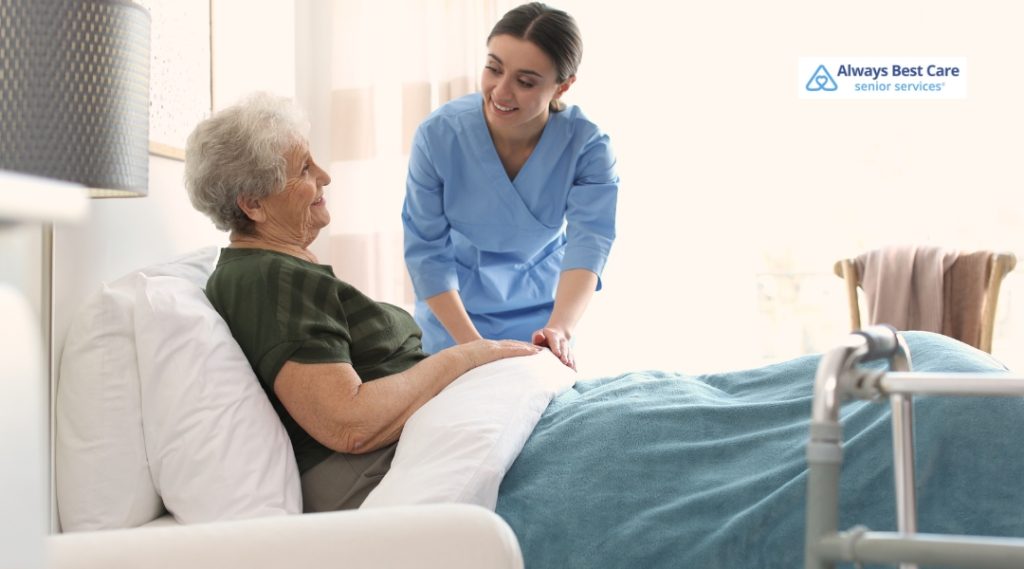
While home modifications and exercise form the foundation of fall prevention, professional in-home assessment and support provide personalized, expert guidance and ongoing care.
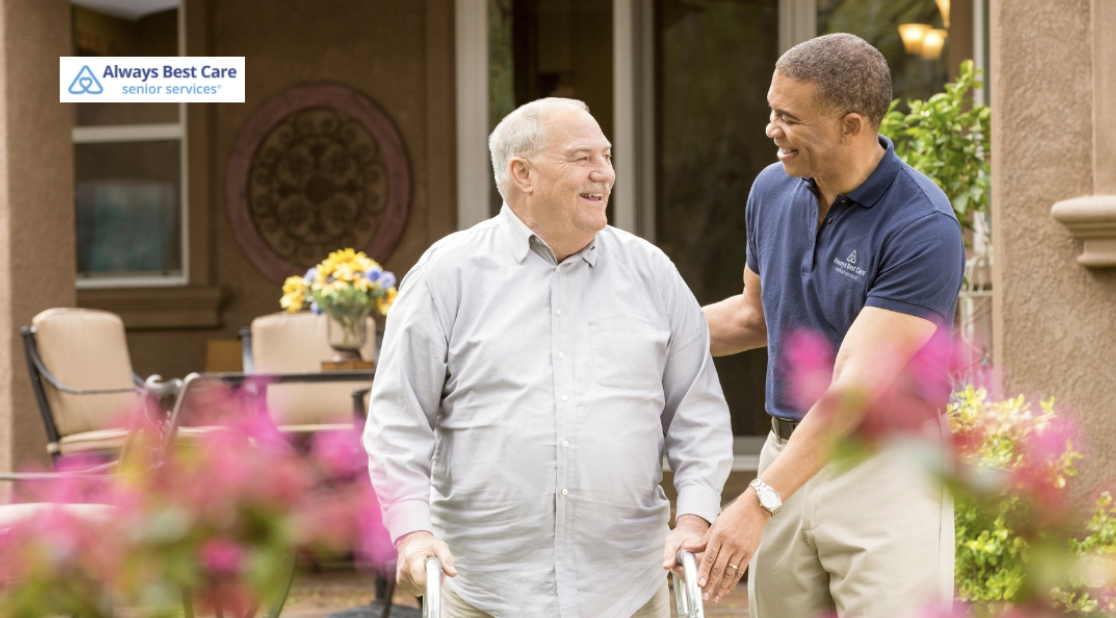
The professional caregivers from Always Best Care of Oakville provide multiple layers of fall prevention support:
- Personal care assistance: Help with activities like bathing, dressing, and toileting, reducing the risk of falls during vulnerable moments
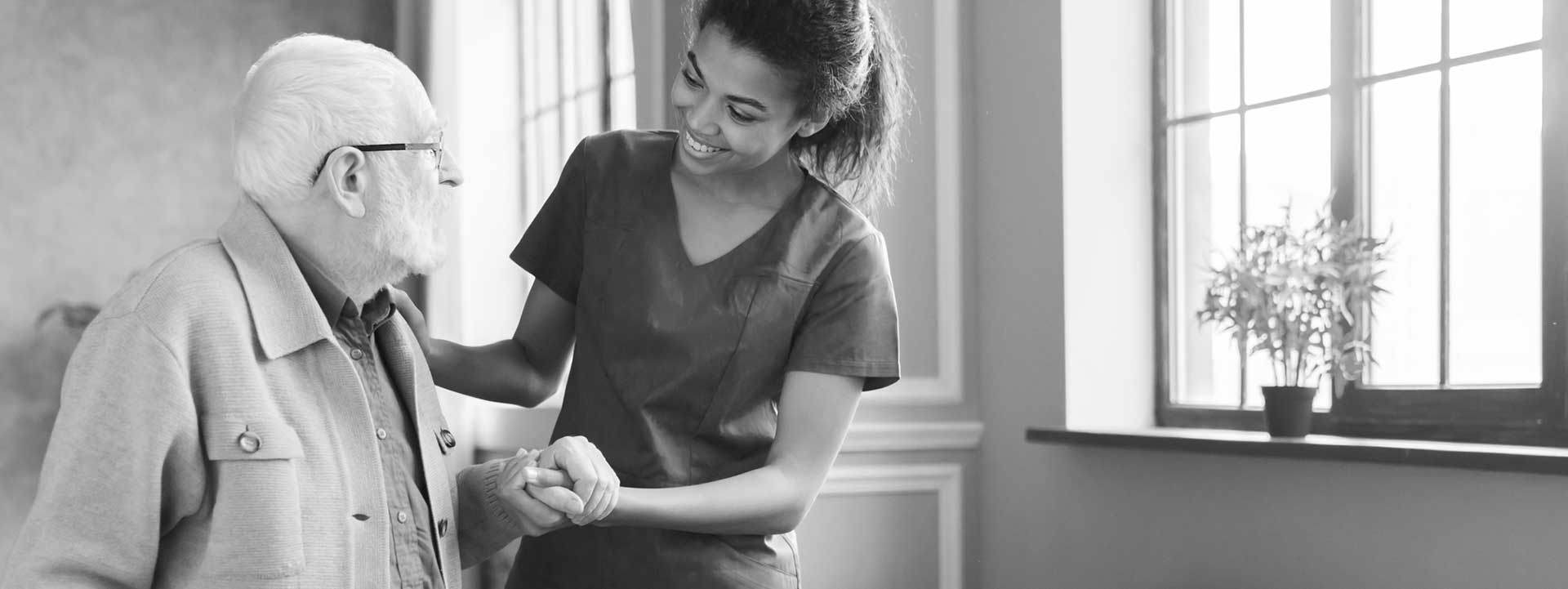
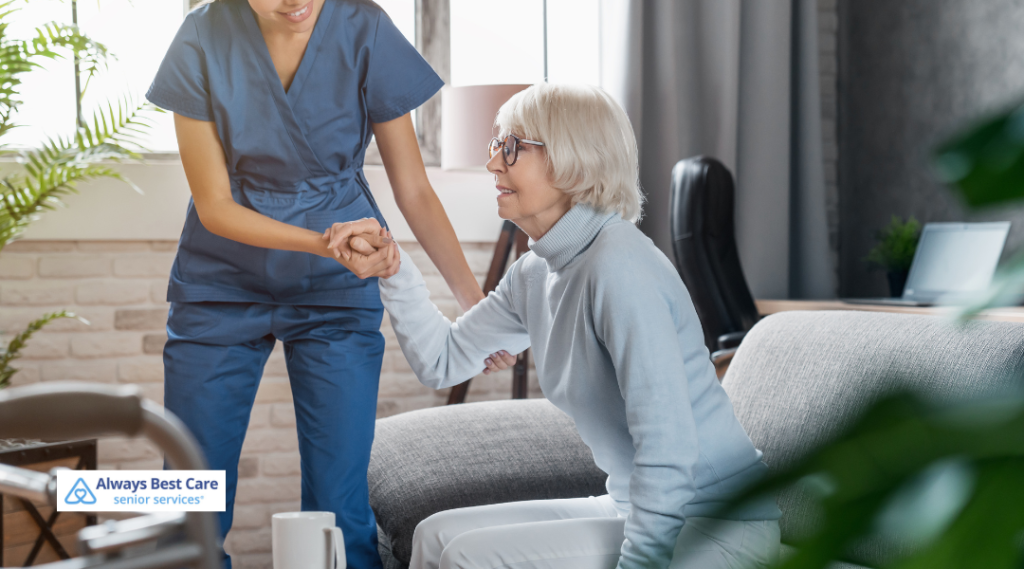
- Mobility assistance: Physical support during transfers, walking, and positioning
- Fall risk assessment: Trained caregivers identify new or emerging fall hazards and communicate concerns to family and care coordinators
- Medication reminders: Ensuring medications are taken as prescribed (avoiding missed or double doses that could affect balance)
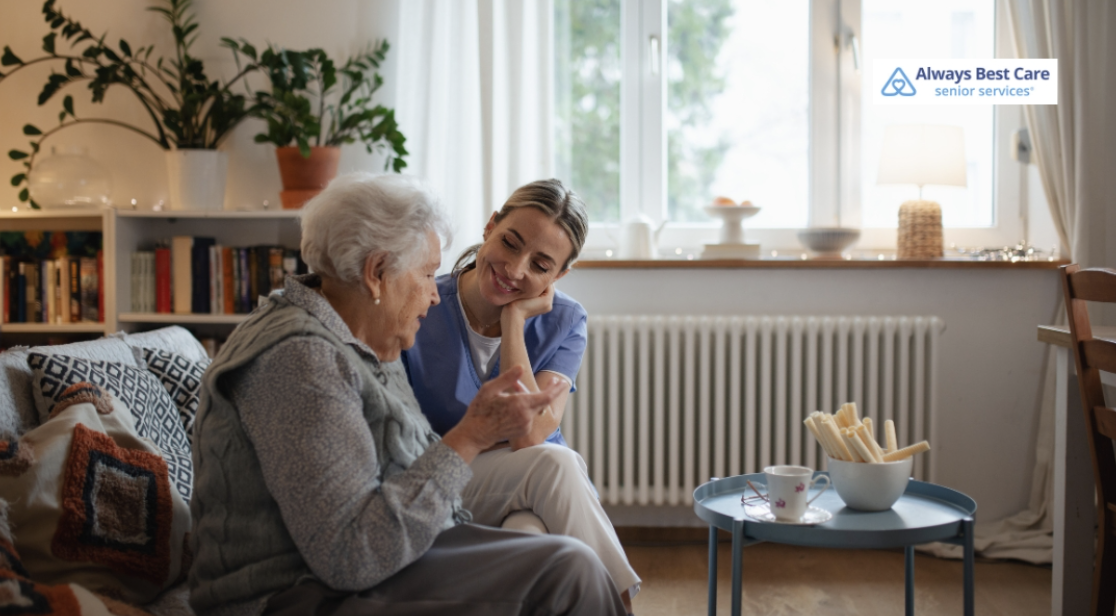
- Companionship and monitoring: Regular presence reduces isolated fall risk and provides immediate assistance if a fall occurs
- Exercise support: Caregivers can encourage and assist with prescribed balance and strength exercises
All Always Best Care caregivers are carefully screened, thoroughly trained, bonded, and insured, ensuring they can provide competent, compassionate fall prevention support.
Action Plan: Creating a Fall-Safe Home in Oakville
| Step | Action | Details/Examples |
| Step 1 | Conduct a Home Safety Assessment | – Walk through all rooms – Test lighting – Identify tripping hazards – Check for slippery surfaces – Evaluate stairs and storage accessibility – Identify grab bar locations – Consider an occupational therapist assessment |
| Step 2 | Prioritize High-Risk Areas | – Focus on bathrooms, bedrooms (bathroom access), stairs, and hallways |
| Step 3 | Implement Modifications in Priority Order | Week 1: Remove hazards, improve lighting Week 2: Install grab bars Week 3: Add handrails Week 4+: Flooring/furniture upgrades |
| Step 4 | Establish an Exercise Routine | – Connect with local programs – Aim for 3+ hours/week of balance & strength activities |
| Step 5 | Review Medications with Your Healthcare Provider | – Discuss fall risk as a medication side effect – Adjust medications, timing, or substitutions as needed |
| Step 6 | Schedule Professional Support | – Contact Always Best Care of Oakville for a free home safety consultation and personalized fall prevention plan |
A Safer Future Starts at Home
Falls are not an inevitable part of aging; they are largely preventable. By combining strategic home modifications, evidence-based exercise, medication management, and professional support, Oakville seniors can dramatically reduce their fall risk while maintaining the independence and dignity they value.
The investment in fall prevention pays dividends not only in avoided medical costs but in preserved independence, reduced fear and anxiety about falling, and the ability to continue aging in place: at home, where most seniors want to be.
Your loved one’s safety doesn’t need to wait. A few simple modifications today can prevent serious injury tomorrow. Start by conducting a home safety assessment, connecting with local fall prevention resources, and reaching out to Always Best Care of Oakville for a complimentary consultation and personalized care planning.
Together, we can create homes and lives that are safer, more comfortable, and filled with confidence.